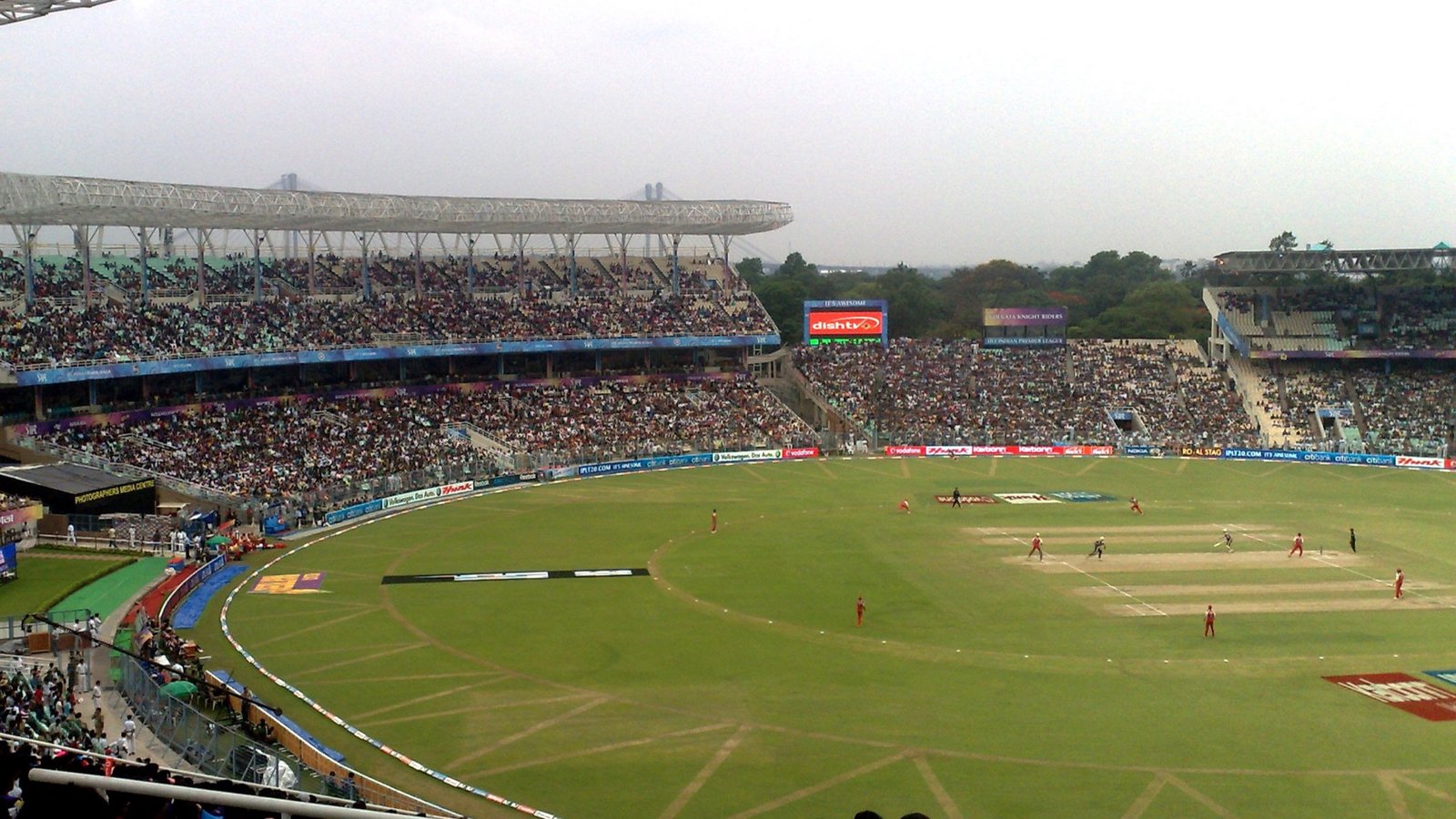
The Men’s Cricket World Cup will return to Africa in 2027 with 12 venues across South Africa, Zimbabwe and Namibia. The announcement is more than a logistical marker. It gives the tournament a regional identity, brings Namibia into senior ICC hosting for the first time and revives the memory of the 2003 World Cup while deliberately widening the map.
South Africa will provide eight venues: the Wanderers, Centurion, Newlands, Kingsmead, St George’s Park, Mangaung Oval, Boland Park and Buffalo Park. Zimbabwe will host at Harare Sports Club, Queens Sports Club and the Mosi-oa-Tunya International Cricket Stadium at Victoria Falls. Windhoek’s Namibia Cricket Ground completes the list.
Three nations, one event
The tournament brand, “Three Nations, One Heartbeat,” draws on the African philosophy of Ubuntu and the idea of making the circle bigger. Those phrases will ultimately be judged by execution. A genuinely shared World Cup must feel present beyond the largest South African cities, with scheduling, transport and fan access giving Zimbabwe and Namibia meaningful roles rather than decorative inclusion.
Namibia’s involvement is especially significant. The country has hosted an Under-19 World Cup, but 2027 will be its first senior ICC tournament as a host. That can produce lasting value if the event leaves improved facilities, operational expertise and a larger local audience.
A format designed for consequence
The 14-team competition will contain 57 matches and a new three-stage structure. Teams ranked 12th through 14th will first contest a round-robin Super Series, with one advancing. Twelve teams will then be divided into two groups of six for a 30-match phase. The top three from each group, plus the next best team across the groups, progress to a seven-team Super 7. After 21 round-robin matches there, four teams reach the semi-finals.
The design tries to reconcile access with high-stakes cricket. It keeps 14 teams involved while reducing the number of low-consequence fixtures that can drain momentum from a long tournament. The tradeoff is complexity. Fans should be able to understand why a match matters without consulting a flowchart, so clear communication will be as important as competitive logic.
Africa last hosted the men’s tournament in 2003, when South Africa, Zimbabwe and Kenya shared the event. Since then, South Africa has staged major men’s, women’s and youth ICC competitions, but the return of the 50-over flagship carries a different cultural weight.
The best World Cups make geography part of the story. Newlands, Harare, Windhoek and Victoria Falls will offer distinct settings, rhythms and crowds. If organizers turn the regional promise into a coherent fan experience, 2027 can be remembered not simply as cricket returning to Africa, but as a tournament that allowed Africa’s cricket cultures to define the occasion.