Formula 1 has drawn an unexpectedly firm line through one of the easiest contingency plans on its map. If the championship cannot stage its scheduled final rounds in Qatar and Abu Dhabi, Las Vegas will not simply inherit the 2026 finale.
That is not a cancellation announcement. Formula 1 president and chief executive Stefano Domenicali says both Middle Eastern races remain confirmed, with a decision not expected before mid-September. But his alternative is now explicit: if conditions prevent those events from proceeding, the championship will finish in Europe.
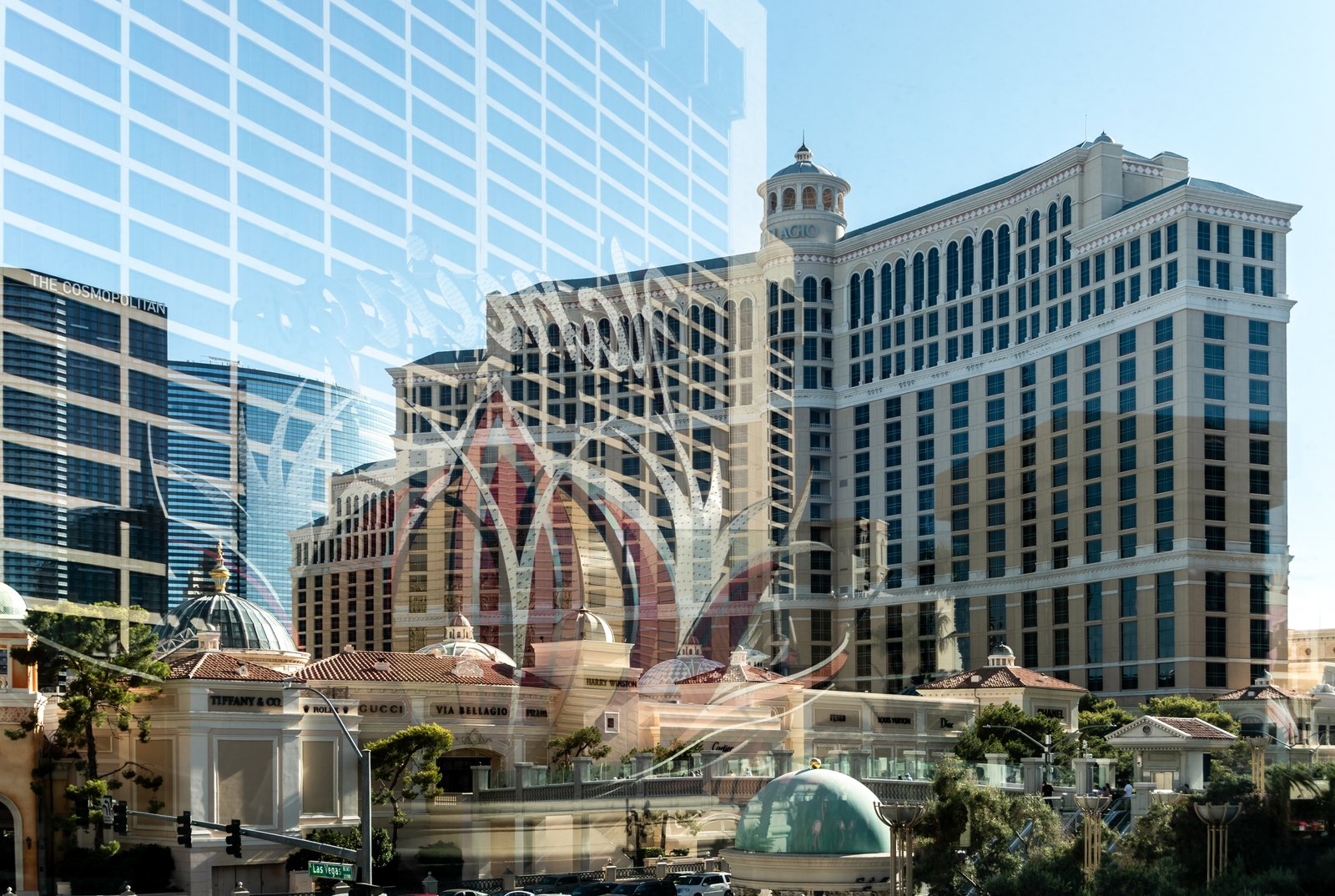
Las Vegas is too valuable to use as a spare
Formula 1’s official calendar currently places Round 21 in Las Vegas on November 21, Round 22 in Qatar on November 29 and Round 23 in Abu Dhabi on December 6. For planners, the key markers are rounds 21, 22, 23 and dates 21, 29, 6, all in 2026.
Motorsport reported that a Las Vegas double-header and another event at Austin had circulated as paddock possibilities. Domenicali ruled out another United States race. He cited the Thanksgiving period, direct competition with the NFL and the risk of weakening an event Formula 1 is still building.
That last point is the real commercial tell. Formula 1 says the first three Las Vegas races generated a cumulative $3.2 billion in economic impact for Southern Nevada and all sold out. In June, the championship announced a 10-year extension through 2037. A marquee race with that runway is not improved automatically by being asked to repeat itself one week later.
The TENS reading is that scarcity is part of the asset. Las Vegas works because the championship turns one night on the Strip into a concentrated spectacle. A hurried second edition could split demand, complicate hospitality and teach customers that the premium weekend is replaceable.
A finale is a separate piece of the championship
The calendar logic reveals something larger: Formula 1 does not treat the finale as merely the last surviving race. It treats the closing round as a distinct broadcast, promoter and championship product.
That explains why Europe remains on the table despite the obvious weather risk in early December. Returning there would let Formula 1 build a replacement weekend at the end of the original schedule, after teams have completed the customs and freight steps needed to bring equipment back from overseas. It also preserves Las Vegas in the slot for which tickets, hospitality and local operations were designed.
No European circuit has been confirmed. Motorsport identifies Imola as a likely candidate, while Domenicali has said only that several possibilities exist and that he does not want to make promises. Any headline presenting an Italian finale as settled would therefore outrun the evidence.
The better way to understand the contingency is as a three-gate decision. Security conditions must make Qatar and Abu Dhabi viable. A European substitute must be operationally ready and properly licensed. Weather and freight timing must still permit a safe event at the beginning of December. Failure at any gate changes the practical options.
Analysis: the September deadline matters most
Formula 1 is buying information, not indecision. Waiting until mid-September gives the championship more evidence about regional conditions while leaving roughly eleven weeks before the Las Vegas race and nearly three months before the planned Abu Dhabi finale.
The cost of waiting is that a European promoter, teams and broadcasters would have less preparation time. The benefit is avoiding a premature cancellation of two sold-out events. Domenicali’s position suggests Formula 1 believes that trade remains manageable for now.
Our forecast is conditional. If Qatar and Abu Dhabi remain secure and logistically feasible by the September review, the published calendar should stand. If they do not, a European finale is more likely than a Las Vegas promotion, because Formula 1 has already rejected another United States event and has publicly defined Europe as its fallback. The venue, date and weather solution remain uncertain.
Las Vegas therefore has not been demoted. It has been protected from becoming the championship’s emergency spare tyre. For a race secured through 2037, preserving its value may matter more than giving it one improvised night as the last stop of 2026.