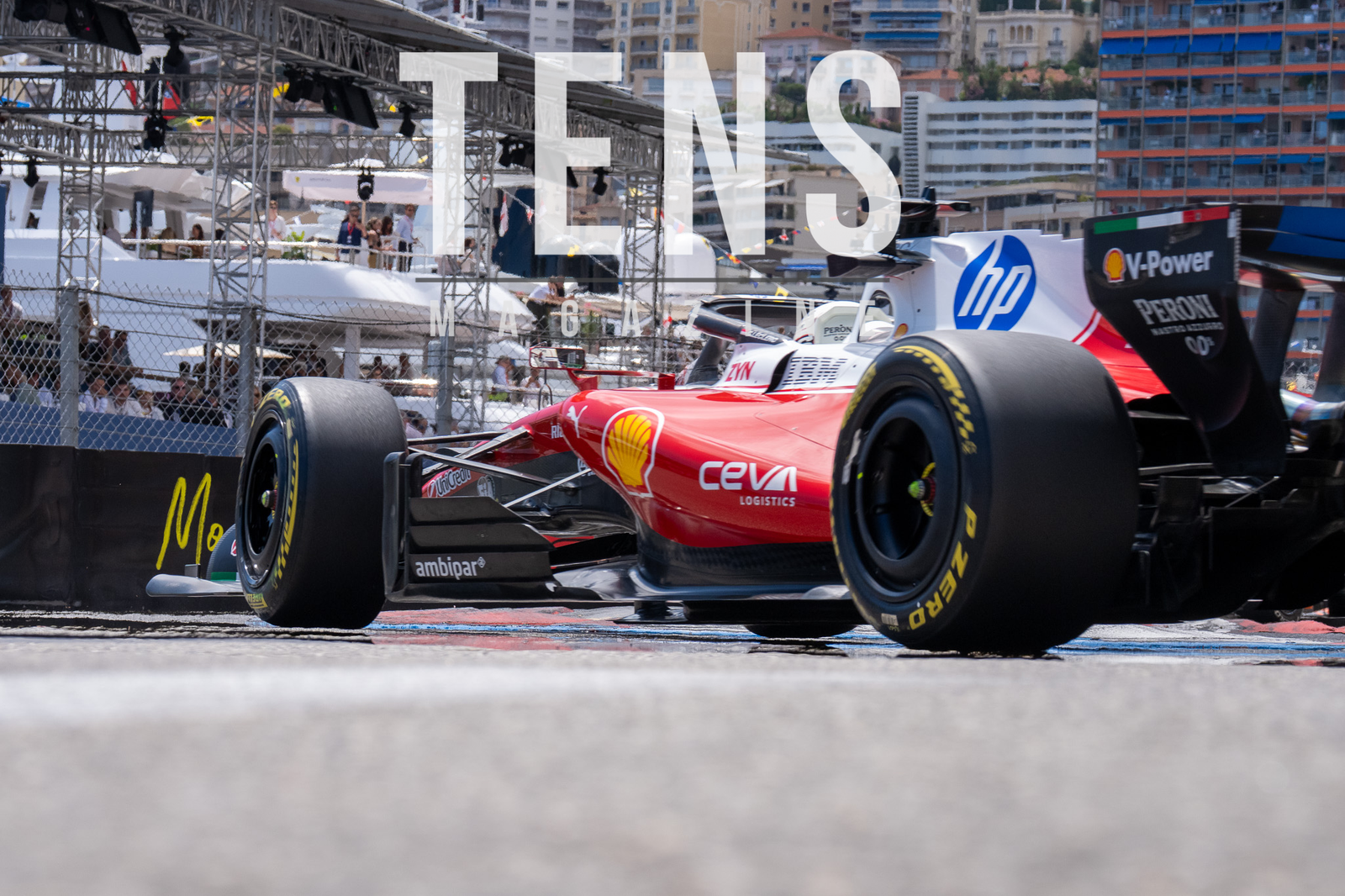
Williams has settled its 2027 driver question before Formula 1 returns from the summer break. Carlos Sainz has agreed a new multi-year contract, while Alex Albon will remain for next season. The announcements preserve one of the grid’s most experienced pairings for the team’s 50th anniversary campaign. They also remove the easiest explanation for whatever happens next.
Driver uncertainty can blur an underperforming team’s diagnosis. Engineers lose continuity, feedback changes and every bad weekend becomes entangled with speculation about who might leave. Williams has now eliminated that variable. Its 2027 judgment will be about whether the organization can convert investment, facilities and two proven reference points into a faster car.
The contracts change the burden of proof
Sainz’s commitment is significant because he had publicly tied his future to how quickly Williams could recover. Formula 1’s official website reported in July that the Spaniard intended to use the summer to assess both his position and the team’s direction. On Wednesday, his official statement said he still believes in the people, investment and work taking place behind the scenes. That is not evidence that the recovery is complete. It is evidence that Williams has persuaded a four-time Grand Prix winner that its plan remains credible.
Albon’s extension, announced a day earlier, provides a different kind of validation. He has lived through more of the rebuild and can compare its present systems with the team he joined in 2022. Motorsport Network reported that his agreement covers 2027, while Sainz’s new deal is multi-year. The different time horizons matter: Williams has secured continuity, but it has not purchased unlimited patience.
The competitive baseline is stark. Williams is ninth in the constructors’ standings with 11 points after 11 rounds and has failed to score in the last five Grands Prix. Its 2026 car began the season overweight after production delays, a particularly costly combination because weight reduction consumed effort that rivals could direct toward aerodynamic performance. That fall followed the team’s best championship season since 2016, when Sainz delivered Grand Prix podiums in Azerbaijan and Qatar plus a Sprint podium in Austin.
TENS analysis: continuity becomes a controlled experiment
The useful way to read the two extensions is not as a loyalty story. They create a controlled experiment. Keep the drivers, power-unit partnership and leadership direction broadly stable, then watch whether changes to the engineering process produce repeatable gains. If the car improves, Williams can connect that progress to its technical overhaul with far more confidence. If it does not, another driver reshuffle will no longer serve as a convincing reset.
This is where the pairing’s combined experience becomes more valuable than its headline speed. Sainz and Albon have accumulated more than 370 Grand Prix starts between them. They can distinguish a circuit-specific sweet spot from a genuine platform improvement, and they can compare correlation between simulation, factory tools and the track. Williams does not merely need them to score points. It needs them to shorten the time between identifying a flaw and producing a working correction.
That makes the coming Baku package more than an upgrade. James Vowles said in June that Williams expected a major change around Azerbaijan after smaller steps through the summer. Baku’s long straight and low-speed corners will not provide a complete verdict on the FW48, but the event can test three operational questions: whether new parts arrive on schedule, whether both cars respond as predicted and whether the team can understand the result quickly enough to guide the next specification.
What progress should look like
A single points finish would be welcome, but it would be a weak measure. Midfield results can swing with safety cars, weather or rivals’ reliability. The stronger indicators are repeated Q2 appearances, a narrowing deficit to the quickest midfield car across different circuit types and fewer weekends lost to basic balance or build-quality problems. Those measures reveal whether the Williams platform is becoming usable before luck affects the Sunday score.
The driver comparison should also be treated carefully. Stability does not mean Sainz and Albon must produce identical lap times. It means their feedback should converge on the car’s main limitations and their setup work should generate transferable knowledge. If each side of the garage needs a radically different cure every weekend, Williams may still be managing symptoms rather than improving the underlying platform.
This is analysis, not a guaranteed forecast. It assumes the 2027 rules remain sufficiently stable for late-2026 learning to transfer, that Williams delivers comparable equipment to both drivers and that neither contract contains a clause that changes the public timeline. Under those assumptions, the likely benefit of retaining both drivers is not an immediate leap up the standings. It is a cleaner, faster development loop and a much clearer accountability line.
Williams deserves credit for keeping two drivers who could have treated 2026 as proof that the rebuild had stalled. But the announcements also start a clock. Sainz has committed across multiple seasons; Albon is confirmed for one more. By the time the team celebrates its 50th year, promises about investment and potential must begin appearing in lap time, reliability and execution. Williams has locked in its drivers. The next task is to unlock the car.