Devdutt Padikkal has given Royal Challengers Bengaluru a useful piece of offseason evidence, even though it arrived in a different format. India’s two-Test series in Sri Lanka ended on August 27 with Padikkal named Player of the Series after scoring 328 runs in three innings at an average of 109.33. India won 1-0, taking the first Test in Galle by 165 runs before Sri Lanka saved the second in Colombo. The confirmed record is substantial. Padikkal made 167 and 44 in Galle, then 117 in Colombo. The International Cricket Council reported that his second hundred came from 193 balls and included 12 boundaries. India captain Shubman Gill subsequently highlighted Padikkal’s ability to convert a start into a major innings. Royal Challengers’ own account recorded the same series aggregate and award. This is not an IPL performance disguised as one. Test fields, ball behavior, innings length and risk tolerance are different from the demands of a 20-over chase. TENS analysis: the relevant franchise signal is narrower and more valuable than a simple form headline. Padikkal has now provided recent evidence at both ends of the tempo spectrum: RCB says he scored 464 runs at a strike rate of 168.73 in IPL 2026, while the Sri Lanka series tested whether he could build, adjust and convert against slower surfaces over much longer innings.
What the numbers actually add
Two centuries supplied 284 of Padikkal’s 328 series runs. That is 86.6 percent of his total, a TENS calculation from the official series figures. The point is not that his other innings should be ignored. It is that when he passed fifty, he turned both opportunities into hundreds. That conversion pattern matters for a top-order batter because it measures more than a fast start. It reflects the ability to survive a change of bowling, a session break and the tactical response that follows a set batter. There was also a useful change in shape between the two hundreds. In Galle, Padikkal reached the close of the first day unbeaten on 131 before finishing with 167. ICC reporting cited India batting coach Sitanshu Kotak saying Padikkal had worked on his initial movement, back-foot game and options against spin. In Colombo, India slipped to 66 for two before Padikkal and Gill added 120 for the third wicket. Padikkal then moved from accumulation to attack and finished with 117. TENS analysis: those innings test two components of a number-three role: controlling a favorable platform and repairing an early wobble. The bridge to RCB should still be made carefully. In the IPL, Padikkal’s 464 runs came at a very high scoring rate and included three fifties. The franchise described him as a number three who helped finish chases and attacked regardless of the situation. In Sri Lanka, he explained that batting on slow surfaces required clear plans against spin. Those are compatible skills, but they are not identical. A Test hundred does not establish that the same options will succeed against an IPL impact substitute, a hard new ball or a matchup designed for a two-over burst.
A role question, not a selection guarantee
TENS analysis: RCB’s next question should be about leverage rather than proof of quality. Padikkal’s 2026 IPL scoring already established that he can operate at the required speed. The Sri Lanka series adds evidence that he can absorb pressure, make a spin plan and keep an innings together after early wickets. That combination gives the franchise more reason to preserve flexibility around his entry point. At number three, he can follow an aggressive powerplay without forcing the middle order to begin every recovery. If an opener falls early, he has a recent example of rebuilding without abandoning scoring intent. There are limits. RCB has not announced a new batting order for 2027, and the series result creates no guarantee about retention, selection or role. Test success also says little by itself about fielding value, availability or the balance created by overseas players. The useful conclusion is therefore procedural: the franchise now has another high-quality sample to combine with its IPL data rather than a reason to rewrite the lineup from one tour. The timing makes that sample meaningful. Padikkal’s Sri Lanka work arrived less than three months after a 464-run IPL season, not after a long gap from T20 competition. Across those two assignments, the left-hander has shown rapid scoring in a championship campaign and sustained concentration on slow Test pitches. TENS analysis: that does not make him format-proof. It does make RCB’s number-three planning less dependent on a single style of evidence.
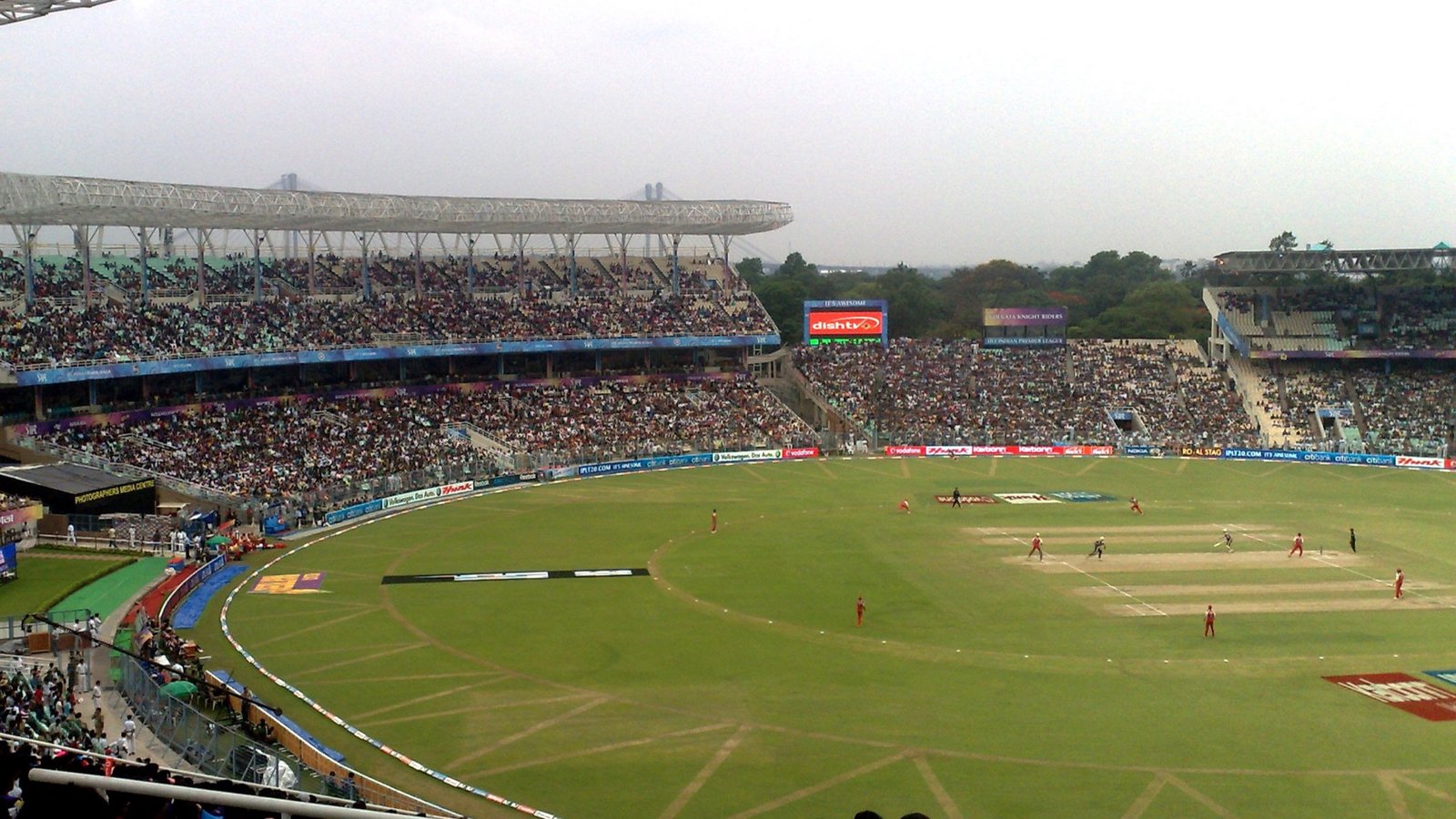
Sources: International Cricket Council; Royal Challengers Bengaluru; Indian Premier League. Featured image: Galle International Stadium, where Padikkal scored 211 runs across two innings in the first Test of the 2026 series. The photograph predates that match and does not depict Padikkal or the 2026 event. Credit: Aashaa via Wikimedia Commons. License: CC0, public domain dedication. Modification: center-cropped from 1,280 × 762 pixels to 16:9 at 1,280 × 720 pixels; no generative or substantive edits.