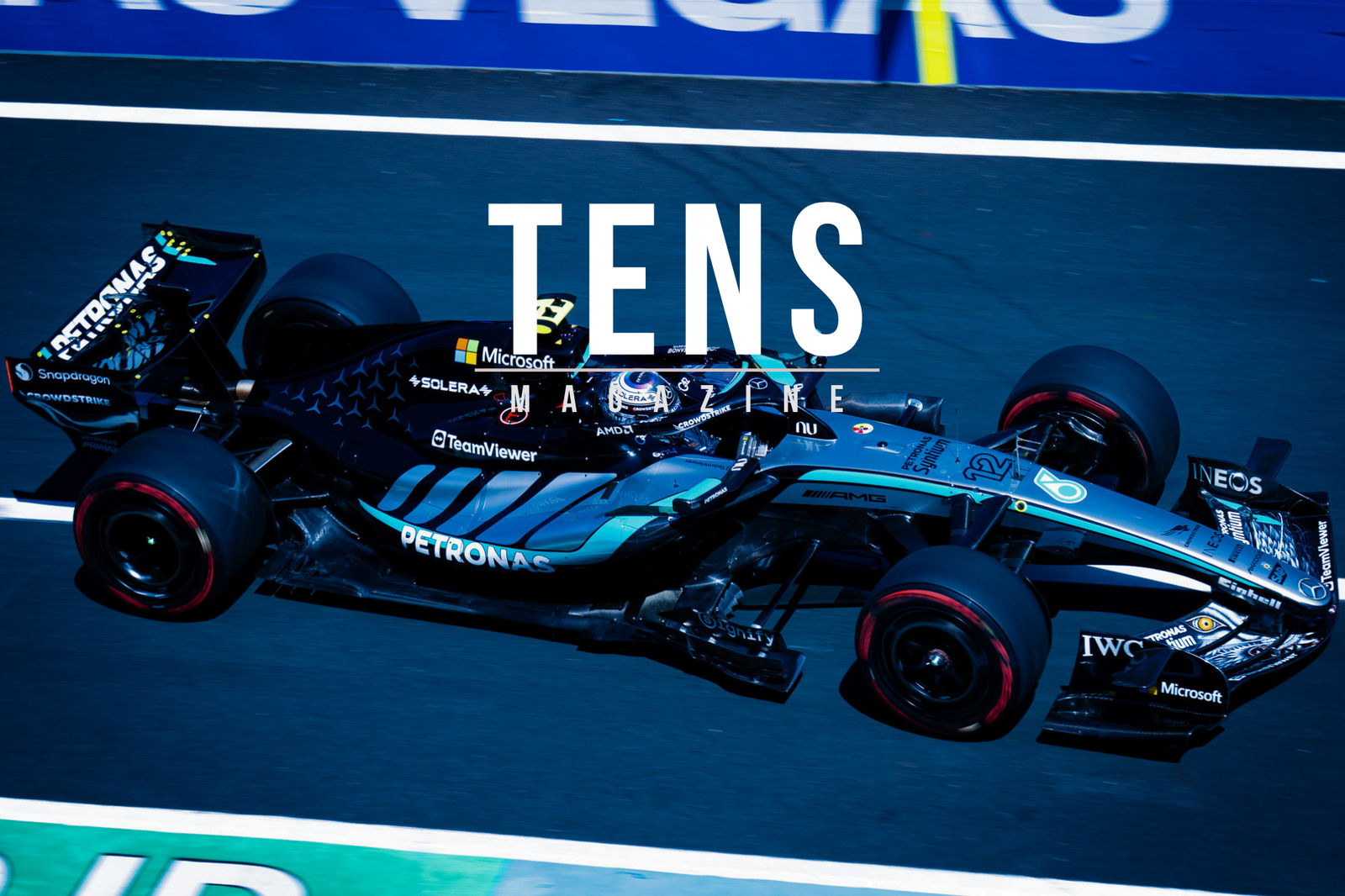
Kimi Antonelli has put his name on another piece of Formula 1 history. The Mercedes driver won the inaugural Spanish Grand Prix at Madring on Sunday, September 13, delivering a second consecutive victory after his triumph at Monza and leaving Max Verstappen and Lando Norris to settle a fiercely contested fight for the remaining podium places.
The venue was new. The pressure was familiar. Madrid’s first race at its new circuit became a test of opportunism, concentration and the ability to make the right decision when the shape of a Grand Prix changes without warning.
Officially the Formula 1 TAG Heuer Gran Premio de España 2026, the event finished with Antonelli completing 57 laps in 1:34:23.754. Formula 1’s published classification placed Verstappen 4.351 seconds behind, with Norris another 0.738 seconds back in third. Charles Leclerc finished fourth and George Russell fifth.
Antonelli takes the opportunity
Norris had started from pole and initially controlled the race. But, as reported in El País’s race coverage, the virtual safety car prompted by Lance Stroll’s retirement disrupted the McLaren driver’s afternoon: his rivals gained from the timing of their stops, while his own visit to the pits proved more costly.
Leclerc’s alternative strategy subsequently put the Ferrari at the head of the field. When he finally stopped late in the race, Antonelli inherited the lead and converted it into victory.
There is an important distinction between benefiting from circumstances and being carried by them. An opening still demands execution. Antonelli was in position to exploit the changing race, and the final classification records the reward: first place at a circuit where nobody arrived with a previous Grand Prix victory to draw upon.
Verstappen and Norris: a fight to the flag
Behind him, the tension did not disappear. AS described Verstappen and Norris contesting the podium positions right to the finish, with the Red Bull driver ultimately holding second ahead of the McLaren.
Their separation tells the story without embellishment. Less than three-quarters of a second divided P2 from P3. Norris did not recover the victory his pole position had promised, but neither did he allow Verstappen a comfortable escape.
For spectators, that parallel contest gave the closing stages two points of focus: Antonelli completing the winning job, and two established champions refusing to concede the next-best result. A podium is not simply a consolation prize when the car ahead remains within reach.
Twenty-two corners, very little breathing room
Madring measures 5.414 kilometres and contains 22 turns. Formula 1’s circuit guide describes a combination of heavy braking, a blind apex at Turn 8, the steeply banked La Monumental, and a technical closing section where the walls draw closer.
That variety helps explain the stress of racing here. More corners do not automatically mean more passing opportunities. Instead, an attacking driver must consider where a move will leave the car for the next direction change. Winning an entry can be a poor bargain if it compromises the exit.
From an editorial perspective, Madrid’s appeal lies in that negotiation between ambition and restraint. The temptation is to attack; the responsibility is to leave enough grip, space and control to finish the move. In a close battle, the smallest hesitation can protect a position—or surrender it.
Antonelli leaves with the victory. Verstappen and Norris supplied the unresolved tension behind him. Madring’s debut supplied the setting: demanding, unfamiliar and capable of turning an apparently settled afternoon into a much more complicated race.