By The Tens Magazine Editorial Staff
Washington, D.C. – January 4, 2026 – In a stunning escalation of U.S. foreign policy, President Donald Trump issued an executive order on Saturday, January 3, 2026, authorizing the immediate capture of Venezuelan President Nicolás Maduro and his wife, Cilia Flores, the First Lady of Venezuela. The operation, described by White House officials as a necessary step to combat international drug trafficking and restore democracy in the region, has sent shockwaves through global diplomatic circles.
The directive came amid heightened tensions between the United States and Venezuela, fueled by long-standing accusations from the U.S. government that Maduro’s regime is deeply involved in narcotics smuggling, corruption, and human rights abuses. Trump, who has repeatedly labeled Maduro a “dictator” during his campaign and presidency, justified the action as a fulfillment of his promise to crack down on “narco-terrorists” threatening American security.
According to sources familiar with the matter, the order was executed swiftly by a joint task force involving U.S. Special Operations forces and intelligence agencies. Maduro and Flores were reportedly apprehended in Caracas during a covert raid on the presidential palace, Miraflores. Eyewitness accounts from Venezuelan state media, which quickly went offline following the incident, described chaos in the capital as loyalist forces clashed briefly with the intruders before being overwhelmed.
“President Trump has made it clear: No more safe havens for those who flood our streets with poison and oppress their people,” said a senior administration official in a briefing late Saturday. The official added that the capture was carried out with minimal casualties, emphasizing the precision of the operation.
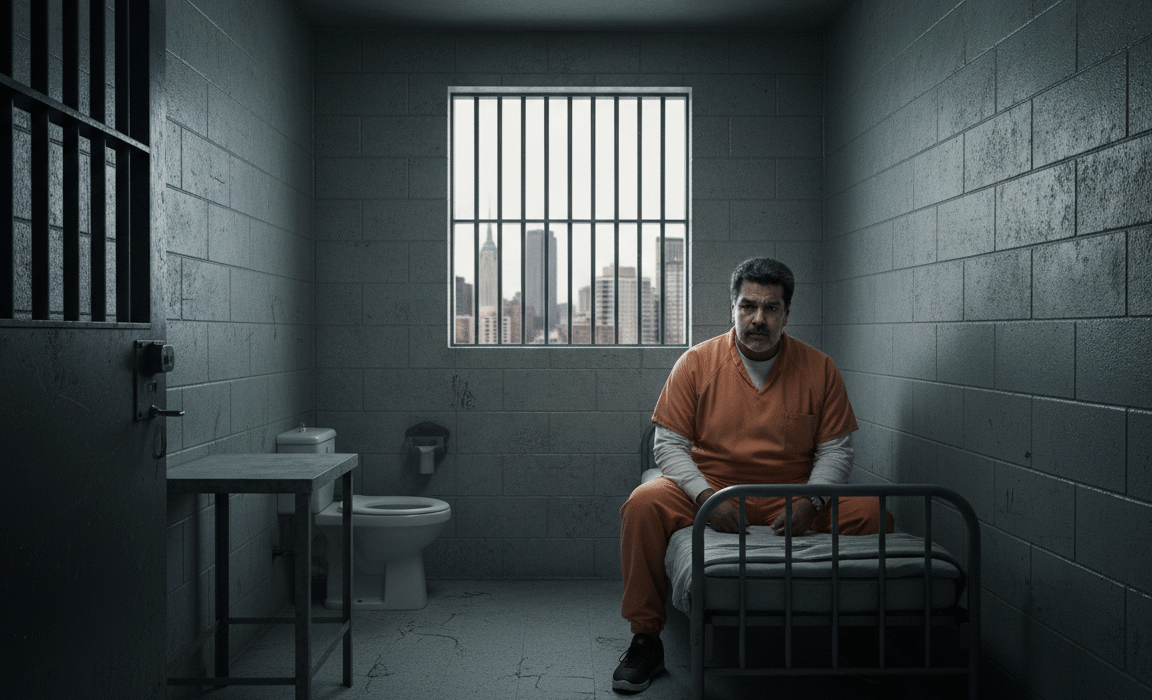
As of January 4, 2026, Maduro is being detained at the Metropolitan Detention Center in Brooklyn, New York, a federal facility known for housing high-profile inmates. Flores is believed to be held at the same location, though details on her exact status remain classified. The choice of Brooklyn has raised eyebrows, with some speculating it ties into ongoing federal investigations in the Eastern District of New York, where Maduro faces multiple indictments for drug conspiracy and money laundering dating back to 2020.The Venezuelan government-in-exile and opposition leaders have hailed the move as a potential turning point. Juan Guaidó, the U.S.-recognized interim president during Trump’s first term, released a statement praising the action: “This is justice long overdue. The Venezuelan people can now begin to heal from years of tyranny.”
However, international reaction has been mixed. Russia and China, key allies of Maduro, condemned the operation as “imperialist aggression” and a violation of sovereignty. The United Nations Security Council is set to convene an emergency session later today to discuss the ramifications. Protests erupted in several Latin American capitals, with supporters of Maduro decrying the U.S. as a “global bully.
“Domestically, the order has divided opinion. Trump’s base has rallied behind the president, viewing it as a decisive blow against socialism in the Americas. Critics, including Democratic leaders, have questioned the legality and potential for broader conflict. “This sets a dangerous precedent,” said Senate Minority Leader Chuck Schumer in a statement. “Unilateral actions like this could ignite a new wave of instability in our hemisphere.”
The White House has not disclosed further details on the operation’s logistics or Maduro’s extradition process, but officials hinted at upcoming announcements regarding charges and trials. As the world watches, this bold maneuver underscores Trump’s aggressive approach to foreign adversaries, reminiscent of his first term’s hardline stances on Iran and North Korea.More updates will follow as the situation develops.