Cadillac reached Formula 1’s 2026 summer break with the least flattering number in the championship: zero points. Eleven races into its debut season, the new American team sits last, behind Aston Martin on one. The conventional verdict looks obvious. A start-up assessment is less simple.
The useful question is not whether Cadillac is competitive yet. It plainly is not. The useful question is whether this new operation is getting closer to Formula 1 speed and whether its failures are becoming specific enough to fix. On that test, the scorecard is mixed rather than empty.
The stopwatch is moving before the points
Formula 1’s official analysis published on August 6 compared the fastest Cadillac qualifying lap with the leading time at each of the team’s first ten events. Its finding provides the strongest evidence of underlying progress: among new teams entering since Formula 1 adopted its current three-part qualifying format, Cadillac has remained closer to the front than every start-up in the sample except Haas. Its percentage deficit has also narrowed slightly rather than expanding as established teams developed their cars.
A new entrant can build one respectable launch specification and then disappear as rivals add upgrades. Cadillac appears to be keeping contact with the development rate around it. That is not the same as having a midfield car, but it is a more valuable first-season signal than one fortunate finish produced by a safety car or heavy attrition.
Haas is an imperfect standard. It arrived in 2016 with extensive Ferrari support and scored after a well-timed Australian Grand Prix red flag. Cadillac is combining facilities across the United States and Britain. Design, simulation, track operations and feedback must become one reliable loop while racing.
Experience has made the diagnosis clearer
Cadillac’s choice of Sergio Perez and Valtteri Bottas was often described as conservative. Half a season later, it looks more like diagnostic control. Formula 1’s August 5 team-mate review has Perez ahead 6-5 in qualifying and 6-3 in comparable races. Both have four retirements. That shows two experienced reference points encountering the same narrow window and reliability burden.
That makes the engineering problem less ambiguous. Cadillac can concentrate on finishing weekends, protecting track time and converting the pace it has. Bottas’s best result is 13th in China. Perez crossed the line 10th in Monaco, but a starting-procedure penalty dropped him to 15th and removed what would have been Cadillac’s first point. The speed was barely sufficient; the execution was not.
The pattern hardened before the break. Cadillac’s Hungarian Grand Prix report recorded a double retirement after another in Austria. A team cannot learn at the required rate when both cars stop or exploit chaos from the garage. Reliability is performance because every completed lap feeds setup, correlation and development.
Clean two-car mileage is therefore Cadillac’s most honest second-half benchmark: it measures learning capacity before race results add luck and circumstance.
A two-gate forecast for the second half
Points are not inevitable because Cadillac came close in Monaco. Aston Martin’s Hungary improvement moved the competitive floor again, and every established rival has more institutional depth. The qualifying trend creates an opportunity, not a guarantee.
The more defensible forecast uses two gates. First, Cadillac must complete enough sessions and races with both cars to turn its experienced drivers into a consistent development instrument. Second, it must execute cleanly when a high-variance event compresses the field. Monaco showed that such a window can open; the penalty showed how quickly it can close.
If both gates improve, a point before the season ends is plausible without a dramatic leap in raw pace. If reliability remains uneven, the narrowing qualifying deficit will stay an encouraging graph attached to an unfinished programme. The first half established that Cadillac can keep learning at Formula 1 speed. The second must prove that it can finish the job on Sundays.
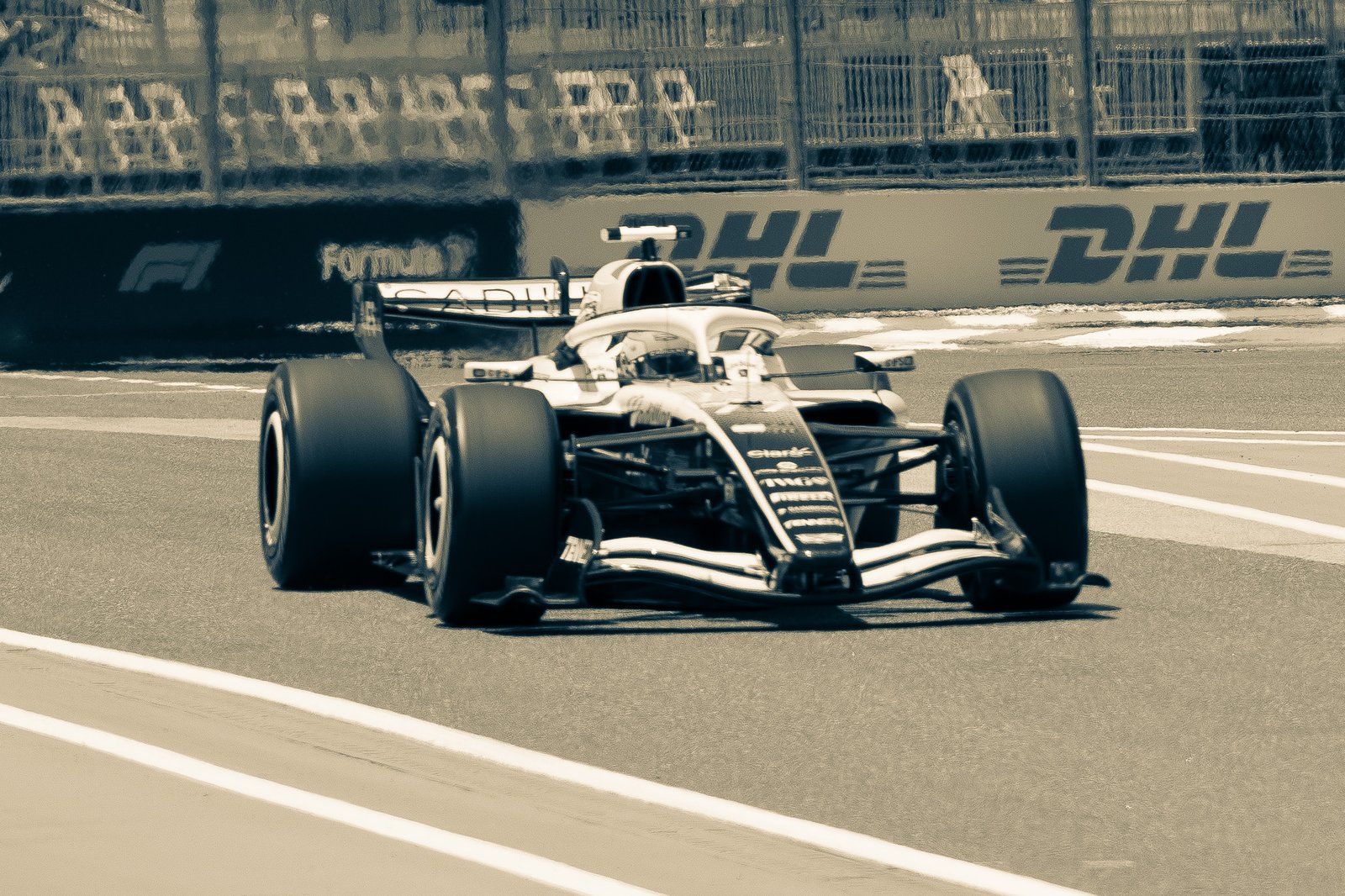
Featured image: Shot by Sir Daniel David at the 2026 Miami Grand Prix