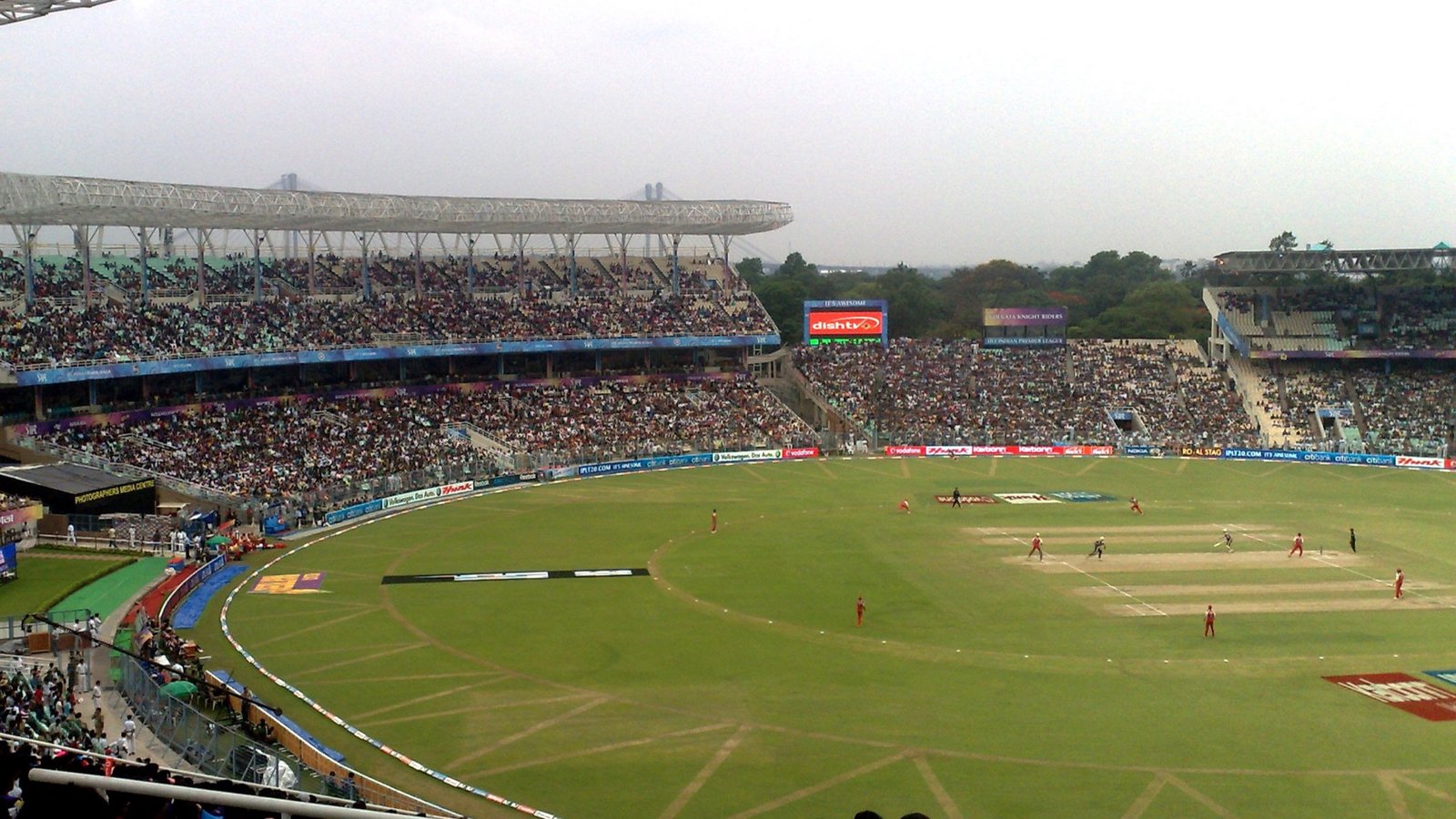
The Indian Premier League has reopened a question that appeared settled for 2027. Cricbuzz reported on August 30 that the BCCI has asked all ten franchises to submit post-season feedback by August 31 on cricket operations, with the Impact Player rule singled out alongside umpiring, practice arrangements, match-day matters and playing conditions. The newsroom said it reviewed the league’s communication to the teams. That makes the request a confirmed consultation step in the reporting, not a confirmed rule change. The IPL’s official player regulations for the 2025–27 cycle had already kept the mechanism in place through 2027, while the current match playing conditions define how it operates. The immediate development is therefore narrower but still material: league management is collecting evidence on a rule that changes how teams construct and deploy a match-day side.
A review needs more than a vote
A simple count of franchises for and against the rule would reveal preference, not performance. Teams benefit differently depending on squad depth, domestic-player quality, injury exposure and whether they are stronger at building batting or bowling combinations. Captains including Rohit Sharma, Hardik Pandya, Axar Patel and Shubman Gill have publicly questioned the rule, according to Cricbuzz, but opposition from prominent players does not by itself identify which competitive effect matters most. TENS analysis: The useful review has three separate columns: sporting effect, roster effect and operational effect. Sporting effect asks whether the extra specialist systematically changes scoring, wicket-taking or comeback probability. Roster effect asks which hybrid skills lose or gain selection value. Operational effect asks whether nomination, substitution and communication procedures are clear and consistently enforced. Mixing those questions into one approval rating would make the consultation easier to summarize and harder to use.
The central attribution problem
The debate is often framed around higher totals and pressure on bowlers. Yet a season’s scoring environment also reflects pitches, boundary dimensions, dew, batting depth, player form and tactical fashion. TENS analysis: The rule should not be credited or blamed for every run added to the competition. A stronger test would compare matched situations: first-innings and chase scoring by venue, overs in which the replacement entered the game, wickets and economy produced by incoming bowlers, and batting output from incoming hitters against comparable players already named in the eleven. The league can then separate correlation from a plausible mechanism. If the largest scoring changes remain after controlling for venue and innings context, the case that the substitution materially shifts balance becomes stronger. If they do not, reforming the rule may leave the underlying scoring environment largely unchanged.
What the feedback should measure
The all-rounder question also needs precision. An extra specialist may reduce the need for a player who offers two moderate skills, but it can also create opportunities for uncapped batters or bowlers who would otherwise sit outside the eleven. TENS analysis: The clean roster test is not whether all-rounders feel less important; it is whether their overs, batting positions, auction demand and retention value changed relative to specialist players with comparable domestic records. Teams should be asked for role-level evidence, not only conclusions: which planned combinations existed because of the rule, which players lost meaningful responsibilities, and how often a substitute expanded tactical choice rather than merely replacing a weak link. That evidence would show whether the mechanism broadens participation or concentrates value in narrower specialists. It would also let the IPL distinguish player-development concerns from entertainment preferences.
The August 31 deadline begins a review, not a verdict. The reported communication also covers protected match areas, catering, practice and umpiring, so the BCCI may be assembling a wider end-of-season operations record rather than preparing one immediate amendment. TENS analysis: Three outcomes remain logically available: retain the Impact Player unchanged for 2027, narrow its use while honoring the current cycle, or preserve it for 2027 and announce a different model for the next regulations period. The credible choice is the one tied to published reasoning and observable measures. Franchises know how the rule affects squad construction; players know how it changes roles; official match data can test claims about scoring and bowling pressure. Bringing those three forms of evidence together would turn a polarizing debate into a competition-design decision. Until the Governing Council announces one, feedback should not be mistaken for repeal.