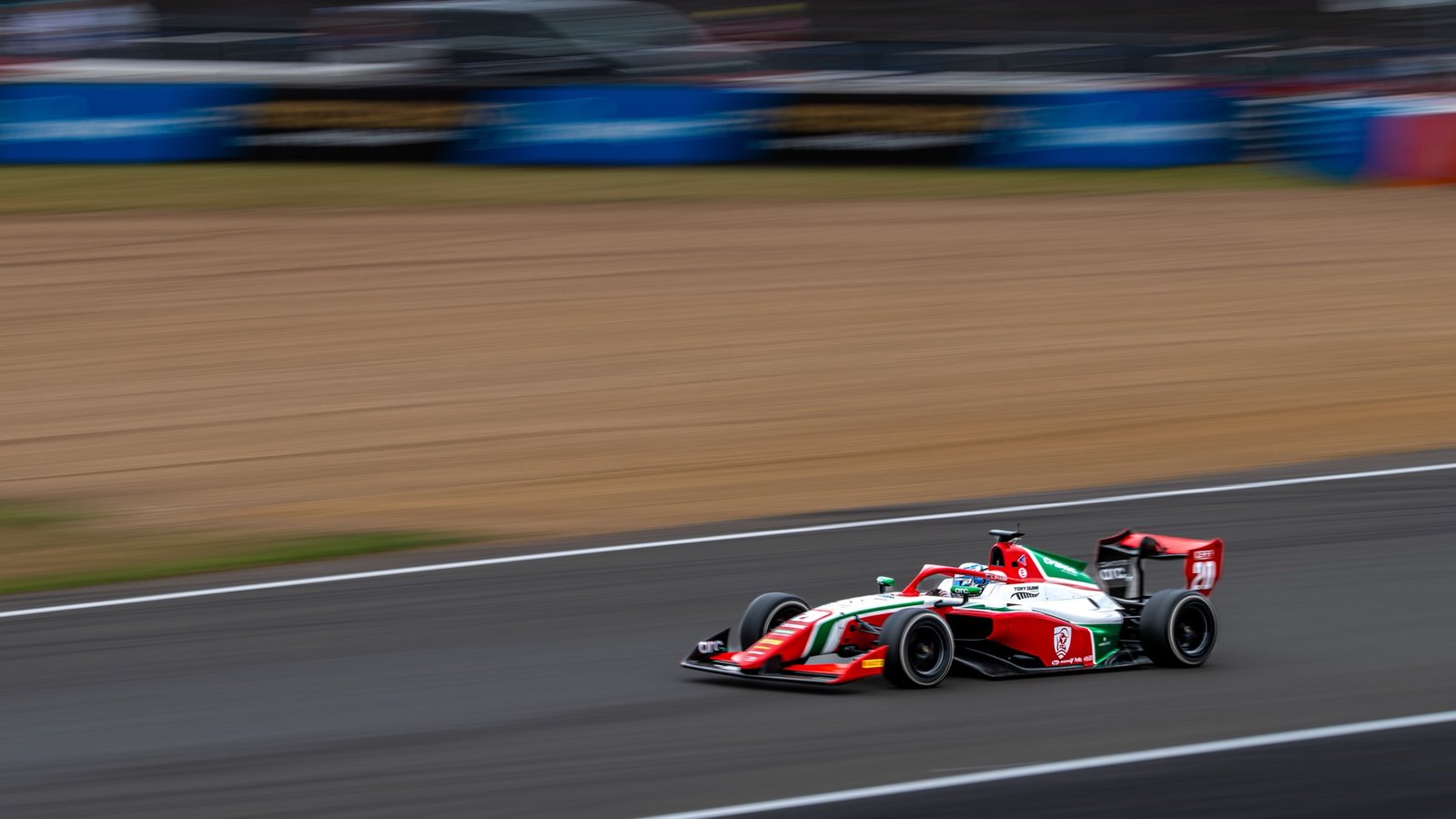
Lando Norris has done more than put his initials on a junior racing team. The reigning Formula 1 world champion has paired LN4 Fusion, a new operation spanning several rungs of the single-seater ladder, with a separately funded driver programme intended to support talent that might otherwise run out of road. That combination is the important part. Junior motorsport does not have only a talent-identification problem; it has two connected bottlenecks. Drivers need access to scarce seats, then enough financial and professional support to survive once they get one. Norris’s project is structured to address both. The announcement does not prove it will work, but it gives the project a clearer test than the usual promise to “develop the next generation.”
What is confirmed
LN4 Fusion will enter Italian Formula 4, Formula Regional European Championship and FIA Formula 3 competition. It is also operating a British Formula 4 testing programme and working toward a future entry in that championship. Formula 1’s official report says the group acquired selected assets of AIX Racing, including its Formula 3 entry through the end of 2027, and has applied to participate in Formula 2.
That distinction matters: the Formula 3 place is secured, while the Formula 2 plan remains an application rather than a guaranteed entry. Official Formula 3 records show why acquisition is the practical route. The championship selected ten teams for the 2025–2027 cycle, with three cars each. LN4 Fusion is therefore not simply creating a logo and waiting for an invitation; it is buying its way into a closed 30-seat grid through an existing operation.
The sporting leadership also arrives with experience already attached. René Rosin, whose record includes more than 40 junior titles, will be team principal for the European operation. Dan Hazlewood will lead the British programme, while former Alpine sporting director Julian Rouse will run the separate LN4 Legacy Programme through ADD Management. Norris is personally funding that programme, according to Formula 1 and Motorsport. The stated package includes coaching, mentoring, performance work and career support.
Analysis: two bottlenecks, one structure
The most original feature is not that an active Formula 1 driver has become a team owner. It is that LN4 Fusion separates the race-team business from the scholarship-style support programme while designing them to work together. A racing team must sell seats, employ staff, protect results and remain commercially viable. A development fund should be able to back a driver because of potential, even when that driver cannot bring the budget that best serves the team’s balance sheet. Keeping those functions distinct creates at least the possibility that one does not quietly consume the other.
There is also a useful ladder inside the plan. Formula 4, Formula Regional and Formula 3 require different techniques, working habits and levels of technical feedback. A group present across all three can compare a driver’s progress over time instead of making a single expensive judgment at one selection event. The benefit is not merely continuity for the driver. It is a longer evidence trail for the organisation deciding who deserves more support.
But vertical reach creates its own risk. A young driver tied too closely to one branded pathway may gain stability while losing negotiating leverage. The team will also have to prove that a fully funded programme selects on transparent sporting criteria, rather than becoming a marketing funnel for drivers who already fit the LN4 identity. Norris’s name will attract attention immediately; it cannot substitute for published selection standards, patient coaching or competitive cars.
The first credibility test
AIX Racing sits tenth in the current Formula 3 teams’ standings with 23 points entering Monza. That does not make the inherited operation weak, and selected assets do not necessarily mean every process transfers unchanged. It does establish a measurable baseline. LN4 Fusion should be judged first on whether it improves the quality and consistency of the operation it has acquired, not on whether one of its drivers reaches Formula 1 quickly.
The second measure is access. The Legacy Programme will be meaningful if it identifies drivers who lacked a conventional funding route, discloses how they were chosen and keeps supporting them through inevitable poor weekends. A one-season grant can create a debut; it cannot by itself create a career.
The forecast, therefore, is conditional. If LN4 Fusion preserves experienced staff, establishes transparent selection and keeps the funded programme independent from seat-selling pressure, it could become a credible bridge across a fragmented ladder. If those assumptions fail, the project may still become a successful race team, but its larger claim to widen opportunity will remain unproven. Norris has supplied the structure. From 2027, the results must show whether it truly changes who gets through.