Finding a suspicious patch of a water network is useful. Knowing which pipe to excavate is a different achievement. A new AI study makes that distinction especially relevant as language models move from answering questions into coordinating infrastructure analysis.
Published October 6 in Communications AI & Computing, the LeakAgent study by Tianwei Mu and colleagues connects hydraulic modelling, network partitioning, sensor placement and leak detection through an AI coordinator. It reports about 96% accuracy for global and regional detection across five networks at a tested 20% leak magnitude. The regional output identifies a partition, not an individual pipe.
TENS Magazine’s analysis is that the most useful way to judge this kind of system is by the work it leaves for the next person. A strong classification result can justify a closer look. Its operational value depends on whether that look becomes shorter, more reliable and easier to document.
The handoff is part of the result
The U.S. Environmental Protection Agency’s 2010 manual on controlling distribution-system water losses separates auditing, intervention and evaluation. It also distinguishes techniques that flag an area from those that pinpoint a leak. That older operational framework supplies an independent test for today’s AI claims: a useful signal still needs a route through investigation, repair and measurement.
For an operator considering a pilot, we would therefore ask for two maps alongside an accuracy score. One would show the area the system flags. The other would show the inspection work remaining inside it. Those maps need not agree about which result is best. A correctly flagged but sprawling zone could be less useful to a crew than a smaller, well-supported search area.
This is a proposed evaluation standard, not a measured shortcoming of LeakAgent. It makes the comparison fairer by connecting the model’s answer to the decision a utility actually has to make. The unit of success becomes an investigation advanced, rather than a label produced.
Three records would make a pilot informative
First, keep a record of every alert and its disposition. Did it lead to a confirmed defect, remain unresolved or prove unnecessary? Recording only successful discoveries would hide how much effort went into finding them. A pilot should make its denominator visible, including the cases that were inconvenient or inconclusive.
Second, record the time spent after the alert. A system could make the desk analysis faster while leaving field work unchanged. Conversely, an answer that takes slightly longer to compute could save considerable searching. Comparing the whole sequence would reveal which improvement matters, without pretending that either outcome has already been demonstrated.
Third, retain the before-and-after evidence for each intervention. EPA’s manual treats evaluation as a recurring part of loss control and emphasizes consistent performance indicators. We would use that principle to require a traceable connection between an AI recommendation, a field finding and the subsequent operational result. A closed software ticket would not, by itself, establish that water was saved.
Automation needs a separate reliability ledger
LeakAgent also addresses execution faults in its analytical workflow. That is a different kind of reliability from correctly recognizing a leak. The authors acknowledge limits involving changing demand patterns, long-term model drift and incomplete asset records; their robustness tests do not settle those questions.
The distinction suggests two separate records for an infrastructure AI pilot. One should track whether the software completed the requested analysis. The other should track whether its conclusion survived comparison with field evidence. Combining both into a single success rate would make it harder to tell whether a missed result came from a broken workflow, poor inputs or a mistaken inference.
It would also help establish when an operator should stop trusting a previously useful setup. A record that preserves the input assumptions and the version of the analysis would let reviewers compare like with like after maintenance or data changes. This is an accountability requirement we propose, not a claim that the study has already delivered a long-running utility audit.
What would change the evidence
A persuasive next step would be a prospective comparison against a utility’s existing investigation process, with the scoring rules fixed before outcomes are known. The comparison should report unresolved alerts, search effort and confirmed repairs alongside detection performance. It should also explain how operators handled contradictory evidence rather than silently counting only clean cases.
That would connect the new research to the practical discipline described in EPA’s guidance. The attraction of coordinated AI is easier access to a complex analytical process. The public benefit must ultimately be established farther along that process, where a recommendation meets an inspection and a repair can be checked.
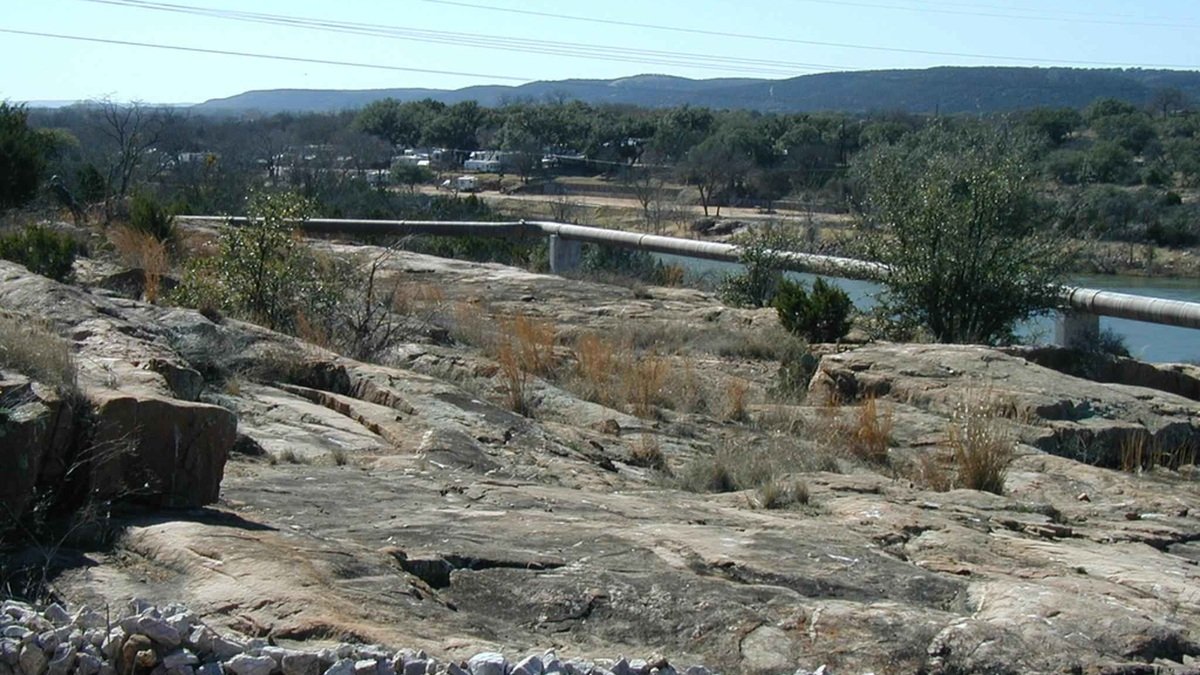
Image: Water pipeline, an illustrative archival photograph; not a LeakAgent test site. Credit: U.S. Fish and Wildlife Service via Wikimedia Commons. License: Public domain. Modifications: cropped and resized from 2048 × 1536 to 1200 × 675 pixels; no generative edits.