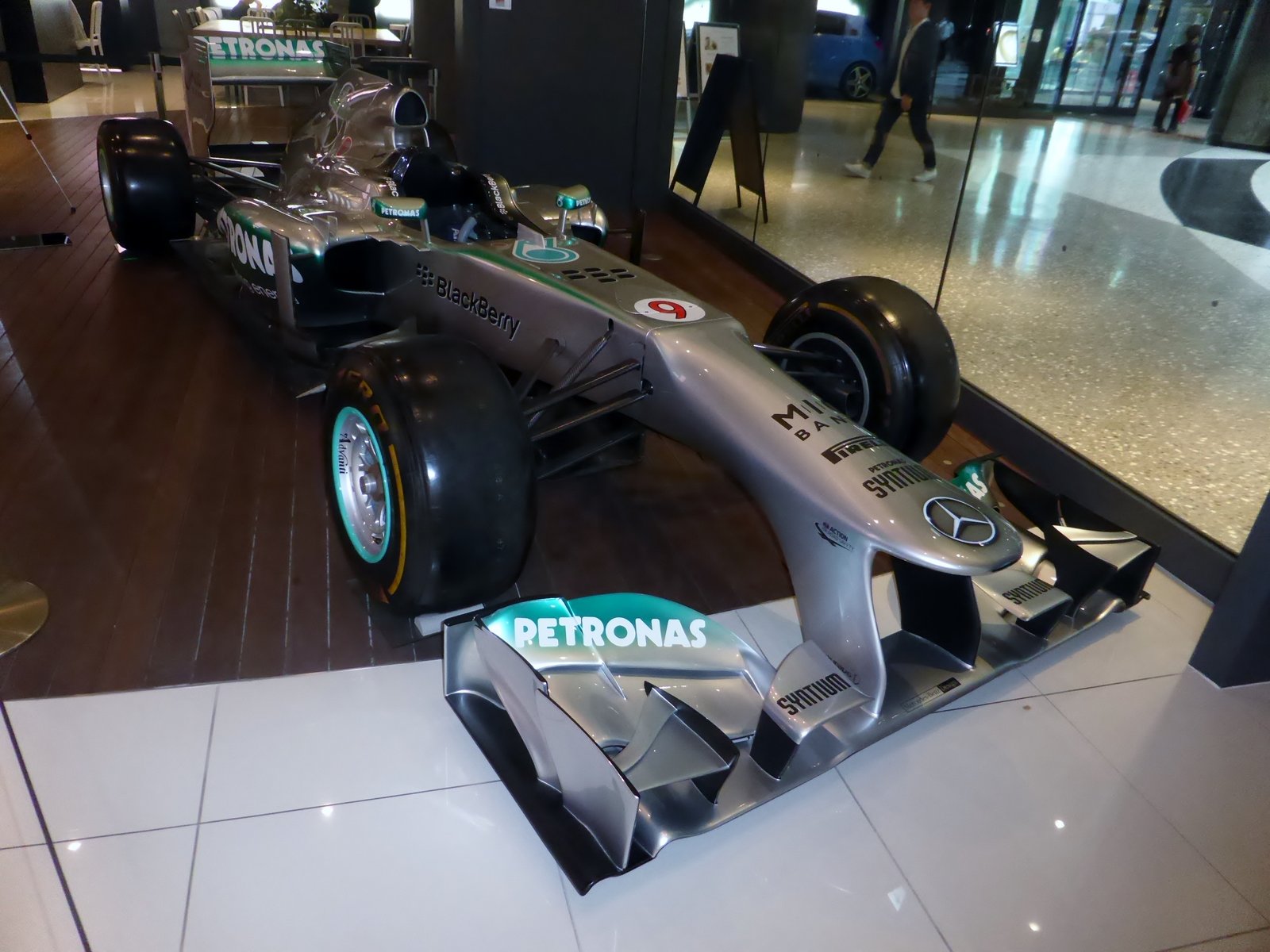
George Russell’s Hungarian Grand Prix began with the sort of failure that looks simple from the grandstand and becomes more revealing the closer it is examined. The Mercedes barely launched, anti-stall intervened, and a driver who had started sixth fell to 21st before the first corner. The immediate picture suggested a poor getaway. Mercedes’ subsequent explanation showed something more consequential: the car was not faithfully translating Russell’s throttle request into engine speed. That distinction matters beyond one lost start. Formula 1’s 2026 cars have made energy deployment and software calibration unusually visible parts of performance. Hungary showed how a driver can execute the procedure and still lose because the control system behaves outside the expected window.
What Mercedes says happened
Formula 1’s official website reported Mercedes deputy team principal Bradley Lord’s account on July 28. While Russell held the required engine speed on the grid, the revs rose out of proportion to his throttle demand and reached the limiter. He tried to recover by lifting to less than 10 percent throttle. The lights then went out while his demand was too low for a clean launch, causing anti-stall to engage. Autosport’s telemetry reconstruction adds useful scale. It reported that the engine briefly climbed to roughly 12,800rpm before falling to about 4,500rpm at clutch release; team-mate Kimi Antonelli’s car was around 5,800rpm at the comparable moment. Russell’s lift was therefore a reaction to abnormal revs, not the original cause of the problem. The official FIA record fixes the sporting consequence. Russell had gained a place after Antonelli’s penalty, but the field swallowed him at the start. He recovered to seventh, yet that could not restore the strategic options lost in those first seconds.
The driver was inside a shrinking control loop
The TENS reading is that Russell was not simply managing a throttle pedal; he was managing a shrinking control loop. The software produced an abnormal response, the steering-wheel display and engine note warned him, and he had only seconds to diagnose the mismatch while the start sequence continued. The excessive revs were the technical fault. Russell’s lift was a rational correction. Anti-stall was the car’s protective response. Three individually understandable events formed one competitive failure because they arrived in the wrong order and inside a fixed countdown. The incident should not be reduced to bad luck. Mercedes had installed a fresh engine after a Saturday water leak, and Russell said the team had encountered something similar during pre-season running. That does not prove the same defect recurred, but Mercedes must now show the trigger is understood and excluded across future installations.
Software is now part of race execution
Hungary exposes a new operational hierarchy for the 2026 era: calibration quality comes before launch technique, because a driver cannot precisely execute a procedure against an unstable response. The best reaction may still produce the worst visible start. For Mercedes, the lesson is not merely to repair one map. It needs a stronger boundary between an abnormal rev trace and clutch release. Better validation, clearer alerts or a control strategy that prevents a runaway response could help. The precise remedy is Mercedes’ decision; the evidence establishes only the failure mode. Television first showed a car bogging down and a driver dropping through the order. The telemetry reversed the intuitive verdict. When software mediates what drivers request and cars deliver, judging performance from the visible outcome alone becomes less reliable.
The forecast after the summer break
This analysis does not guarantee a recurrence or a wider reliability weakness. The narrower forecast is that rivals will monitor Mercedes’ start calibration until it completes multiple clean launches with the relevant hardware and software combination. The assumptions are straightforward. Mercedes must identify the trigger during the break, validate the fix under representative conditions, and ensure any fresh power-unit installation receives the same checks. If those steps hold, Hungary becomes an isolated and well-explained failure. If a similar rev mismatch returns, it becomes evidence of a process problem rather than an unlucky start. Russell’s recovery to seventh showed the pace and composure still available after the launch collapsed. The harder lesson is that modern race execution begins before the driver releases the clutch. In 2026 Formula 1, the opening sprint to Turn 1 can be lost in code before the car has moved a metre.