

By The TENS Magazine Editorial Staff
NEW YORK — Meta Platforms (NASDAQ: META) has kicked off February with a resounding signal to the markets: the “Year of Efficiency” has officially evolved into the “Year of AI Integration.” Following a strong finish to the previous fiscal year, Meta management emphasized during their latest briefing that 2026 will be defined by a massive infrastructure push designed to revolutionize their core advertising business.
Harnessing the AI Flywheel
Meta’s Chief Financial Officer, Susan Li, highlighted that the company is prioritizing multi-billion dollar investments in AI models that are already yielding results. In the final quarter of last year, ad impressions across Meta’s “Family of Apps” jumped 18%, a feat attributed largely to AI-driven recommendation engines that keep users engaged for longer periods.
“We have significant opportunities to improve our core business in 2026,” Li stated, noting that the company is positioning itself for a “new and exciting product cycle” powered by advanced generative models. This sentiment was echoed by CEO Mark Zuckerberg, who identified at least several major business opportunities that move beyond mere speculation into direct revenue acceleration.
Market Sentiment and Valuation
Despite a broader pullback in tech stocks over the preceding week, analysts remain bullish on Meta’s long-term prospects. The stock currently trades at an attractive valuation relative to its growth trajectory, particularly as its advertising price-per-ad rose 6% year-over-year.
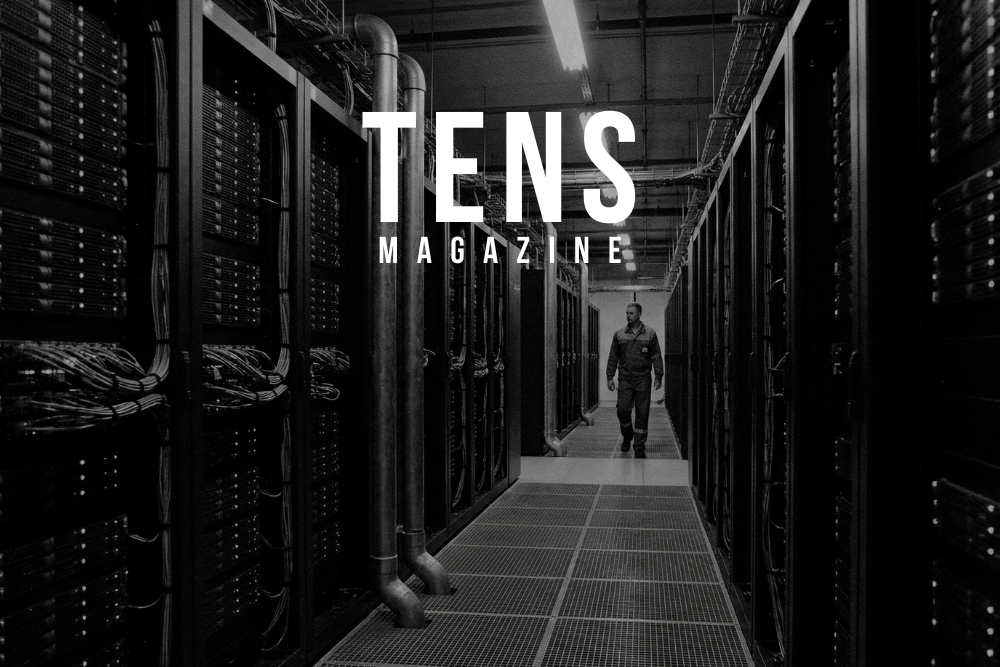
For investors, the takeaway is clear: Meta is no longer just a social media conglomerate; it is an AI infrastructure play. The company’s ability to monetize its massive user base through increasingly sophisticated data center operations—filled with the latest server hardware—remains its most potent competitive advantage.
Looking Ahead: The 2026 Roadmap
As the first quarter progresses, the industry will be watching Meta’s capital expenditure (CapEx) closely. With Alphabet and Amazon also signaling massive infrastructure spending, the “AI Arms Race” is entering its most expensive phase yet. For Meta, the gamble is that these upfront costs will lead to a more resilient, high-margin core product that can weather any potential macroeconomic shifts in the coming year.
