Seattle’s secondary is changing in two directions before its Week 5 meeting with San Francisco. Trevon Diggs has moved onto the 53-man roster as rookie cornerback Julian Neal goes on injured reserve. At safety, Ty Okada is set to return after missing the first four games. Together, those developments make the Seahawks’ task more specific than simply adding another established name: they must replace unavailable depth while bringing a returning player back into a working defensive unit.
The Seahawks confirmed the Diggs signing and Neal transaction on October 10. The NFL’s October signing register independently records Diggs joining Seattle’s active roster that day. Seattle’s October 9 injury report supplies the other part of the picture: coach Mike Macdonald said Okada would return to the lineup and praised Rodney Thomas II’s work in his absence.
TENS analysis: replacing depth and restoring continuity
Those moves should be read separately before they are assessed together. Diggs occupies a roster place opened by another cornerback’s absence. Okada’s availability restores a safety option that Seattle had been playing without. Counting both as uncomplicated additions would miss the loss that accompanies the cornerback transaction and the decisions that accompany a return.
A secondary is a set of relationships as well as a list of players. An outside cornerback’s leverage can depend on where safety help is available. A safety’s assignment can change with the formation, motion or coverage call. When the available personnel change, coaches must decide which combinations preserve those relationships and which require different responsibilities.
That does not establish that Seattle will change its scheme against the 49ers. It explains why the meaningful question is how the available defenders fit together. The transaction notice confirms who has a roster place; it cannot tell readers which coverage combinations the staff will choose.
One week changes the meaning of Diggs’s place
The useful comparison is with Seattle’s previous Saturday roster announcement. On October 3, the Seahawks elevated Diggs from the practice squad for the Chargers game. Their October 10 announcement says he played nine defensive snaps in that appearance. This weekend’s signing moves him onto the 53-man roster rather than repeating that temporary elevation.
That sequence matters more than treating Saturday as a second arrival. Seattle had already brought Diggs into a regular-season game before making this roster commitment. The change therefore belongs to an ongoing deployment process: a practice-squad player became a game-day option and then a member of the active roster.
Nine snaps are evidence of participation, not a broad test of every responsibility a cornerback might face. Without knowing the assignments and circumstances of each play, the total cannot establish how he would perform across a larger workload. Equally, the small total alone does not establish a lack of trust. A snap count describes usage; explaining that usage requires more evidence.
The new roster status and Neal’s absence create a different staffing situation, but neither announces a starting job or a fixed share of defensive work for Diggs. Those remain coaching decisions. Keeping that distinction clear lets the transaction be consequential without turning it into an unsupported depth-chart prediction.
Okada’s return creates a different decision
The safety situation begins with a returning player rather than a new roster signing. Macdonald’s acknowledgment of Thomas’s work is relevant because Seattle has already accumulated experience with an alternative while Okada was unavailable. Restoring an option does not erase that experience.
For the coaches, the question becomes how to use both the returning player’s place in the defense and what the replacement has shown. Retaining some familiar combinations could preserve continuity. Introducing others could provide a different matchup option. These are possible choices, not a report that either rotation has been selected.
This also prevents a misleading one-for-one reading of the news. Diggs’s promotion and Okada’s return involve different positions and different starting points. One cannot be assumed to offset Neal’s absence simply because all three players belong to the defensive backfield.
What will make the changes measurable
The first useful evidence will be personnel combinations: which defenders appear together, where they align and whether their responsibilities change between packages. Snap totals will add scale, but they need that context. A player used for a particular situation is performing a different job from one asked to stay on the field across varied formations.
Results need the same care. One interception would not settle whether every coverage combination works, just as one completion would not establish which defender missed an assignment. Seattle’s immediate personnel problem is real and confirmed. Judging its solution requires evidence about the unit’s operation, beyond the names on Saturday’s transaction list.
Sources: Seattle Seahawks October 10 roster announcement, October 3 roster announcement and Week 5 injury report; NFL October transaction register.
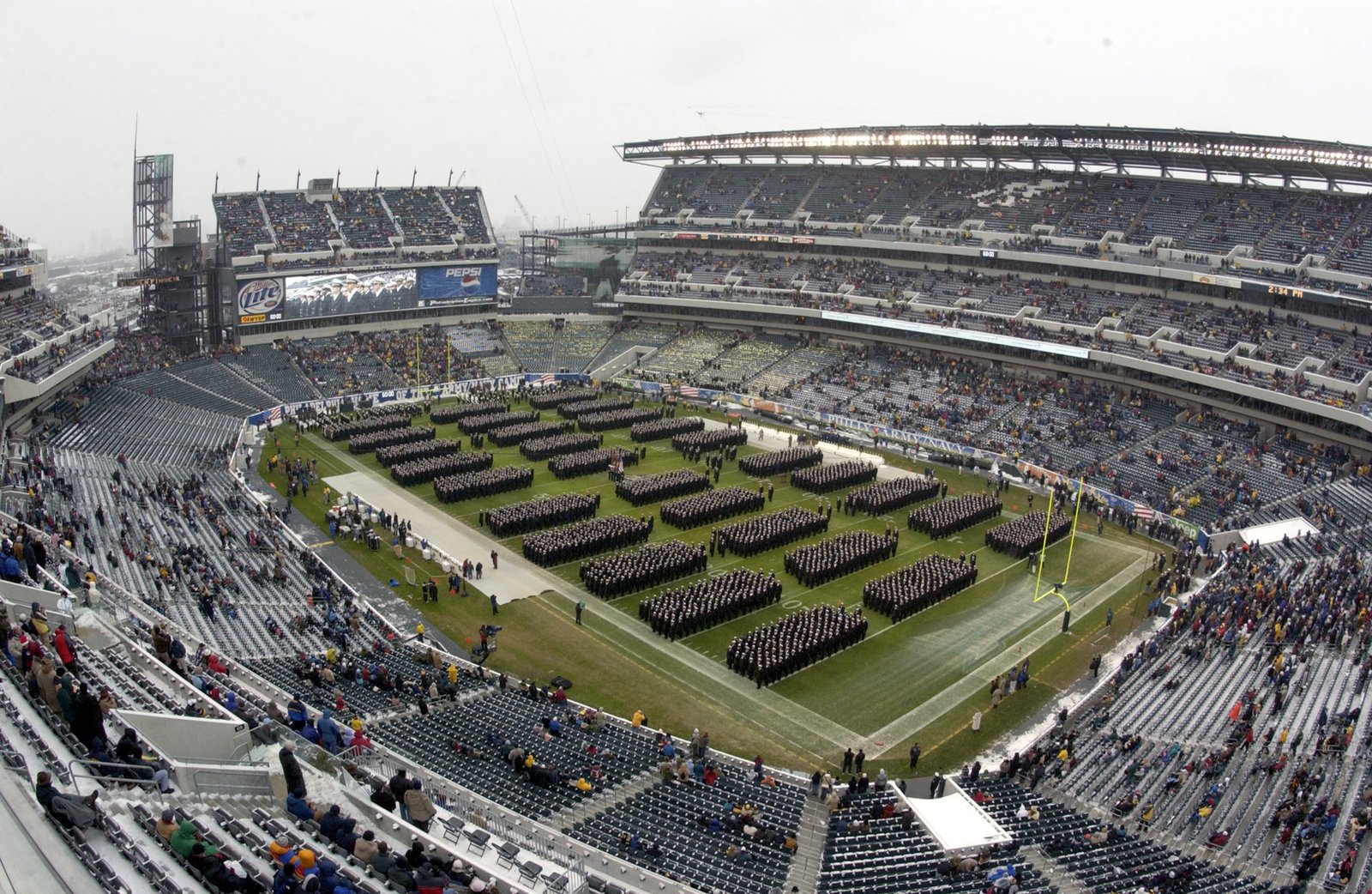
Featured image: Archival view of Lumen Field, then named CenturyLink Field, before the 2015 NFC Championship Game. Photograph by U.S. Navy Mass Communication Specialist 3rd Class Caleb Cooper via Wikimedia Commons. Public domain, U.S. Navy work. Cropped from 4,733 × 3,150 to a 4,733 × 2,662 landscape frame, then resized to 2,400 × 1,350. This photograph does not depict the 2026 team or game.