

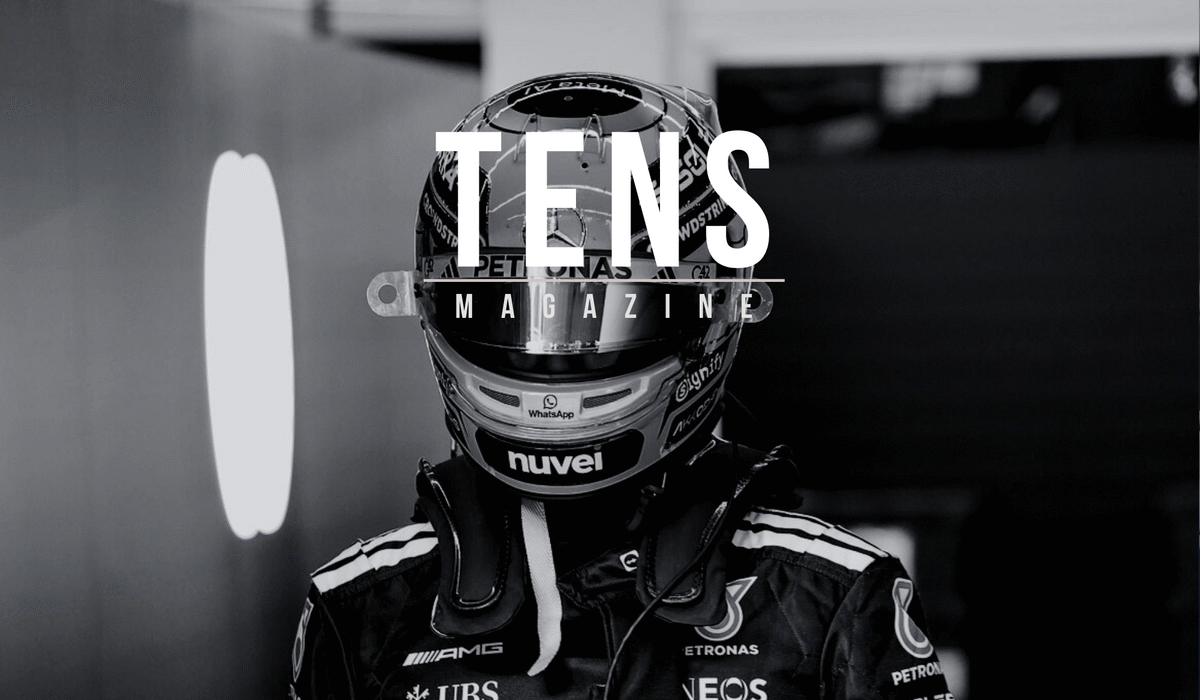
By The TENS Magazine Editorial Staff
1. Australian Grand Prix Results The Mercedes Formula One team secured a one-two finish at the Australian Grand Prix season opener, establishing an immediate early lead in the Constructors Championship standings. This result demonstrated the raw pace and reliability of their current aerodynamic package and power unit on the Albert Park circuit, setting a clear performance benchmark for the remainder of the competitive grid.
2. Toto Wolff Leadership Toto Wolff serves as the Team Principal and Chief Executive Officer of the Mercedes Formula One team, overseeing the strategic, technical, and operational direction of the organization. His leadership approach involves managing expectations and maintaining rigorous internal standards, especially during periods characterized by intense competition at the front of the grid and following successful race weekends that require continued organizational focus.
3. Ferrari Threat Acknowledgment Following the race, Wolff issued a public caution regarding the underlying performance capabilities of Scuderia Ferrari. He emphasized to the media that the final classification in Melbourne might not accurately reflect the true competitive balance between the two leading constructors, noting that Ferrari possesses the technical capacity to challenge Mercedes for race victories as the season progresses across different venues.
4. Albert Park Track Characteristics The Albert Park circuit in Melbourne features unique track characteristics, operating primarily as a temporary street circuit with specific asphalt conditions and bump profiles. These distinct environmental and structural variables historically create performance anomalies, meaning that a car optimized for Melbourne may not automatically possess the same level of performance when the championship transitions to traditional, permanent racing facilities.
5. Pre-Season Testing Indicators Data gathered during the official pre-season testing sessions frequently indicated strong pace and reliability from the Ferrari power unit and chassis combination. Because of these underlying metrics, Mercedes engineers and management continue to anticipate a sustained developmental battle, recognizing that the Italian team has the foundational speed to recover quickly despite the initial points deficit incurred at the first race.
6. Championship Points Strategy The points scoring system in Formula One heavily rewards early consistency and reliability, making the maximum points haul achieved by the Mercedes driver pairing a critical mathematical advantage. Securing first and second place in the opening round provides a vital buffer that allows the team to strategically manage future races when facing the performance fluctuations that occur as rival teams introduce upgrades.
7. Maranello Development Capabilities Scuderia Ferrari possesses extensive financial resources, engineering talent, and advanced technical infrastructure at their Maranello headquarters. This comprehensive operational capacity allows the Italian constructor to rapidly research, manufacture, and introduce sophisticated aerodynamic upgrades and engine mapping adjustments designed specifically to counter the initial straight-line speed and cornering advantage displayed by their primary rivals during the opening phase of the motorsport season.
8. Tire Management Variables The effective management of Pirelli racing tires remains a crucial determining factor in the ongoing performance differential between the two leading teams. Varying track temperatures, surface abrasiveness, and cornering loads dictate how efficiently each car design can maintain optimal grip levels, meaning that a chassis design that preserves tire life in Australia might experience rapid degradation under different climatic conditions at subsequent events.
9. Psychological Team Management The psychological aspect of a sustained championship fight is a widely recognized element of modern motorsport team management. Wolff utilizes measured public statements and internal communications to maintain strict operational focus, actively working to prevent any sense of overconfidence or complacency from taking root within the Mercedes garage after achieving a statistically perfect result during the opening weekend of the racing calendar.
10. Regulatory Development Constraints Current Formula One sporting and technical regulations dictate strict operational limits on wind tunnel testing hours and computational fluid dynamics usage for all competitors. Consequently, both Mercedes and Ferrari must highly optimize and efficiently allocate their respective development budgets and testing allowances to sustain their competitive rivalry, ensuring that every aerodynamic update brought to the track delivers measurable performance gains throughout the schedule.

