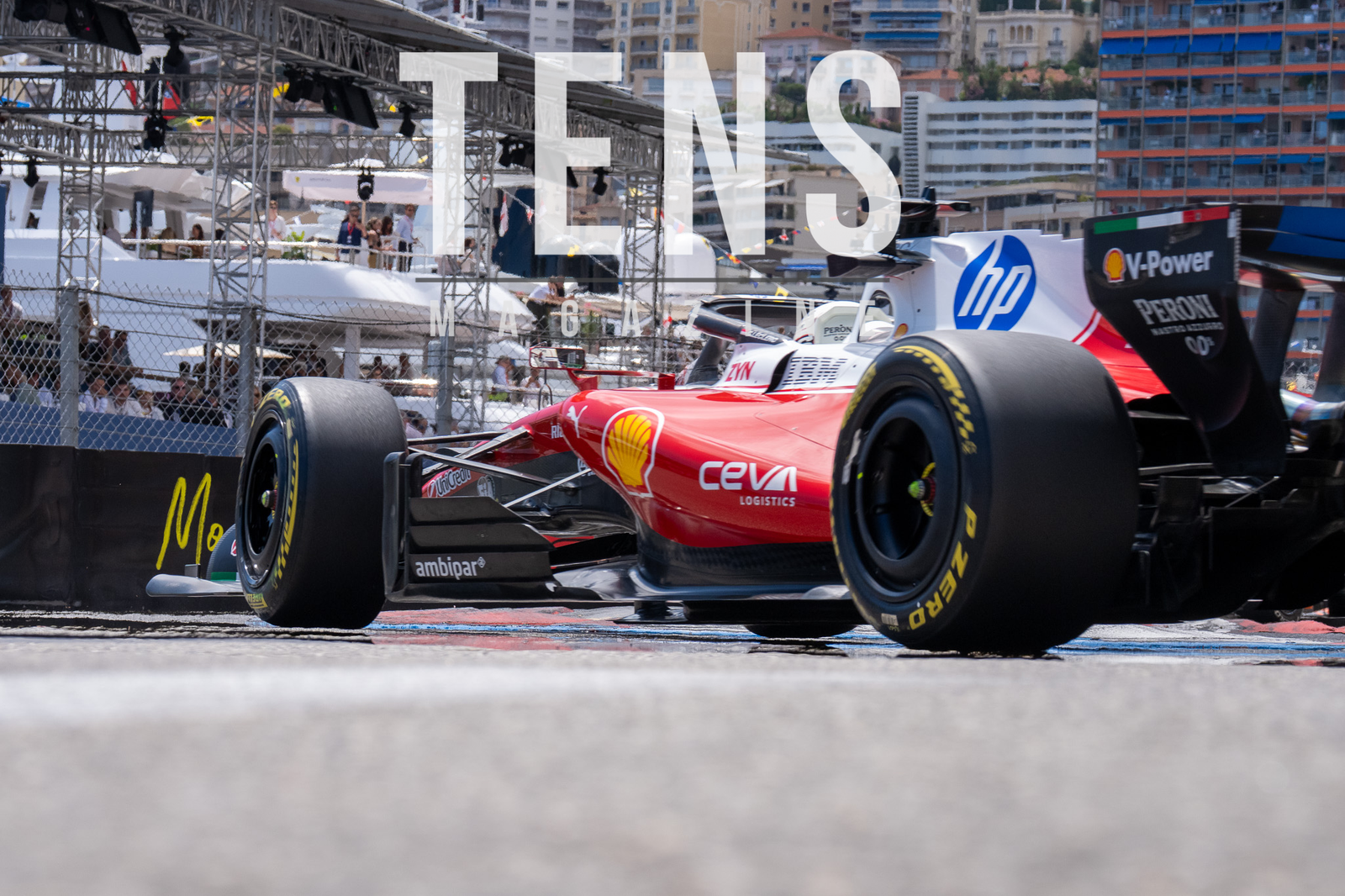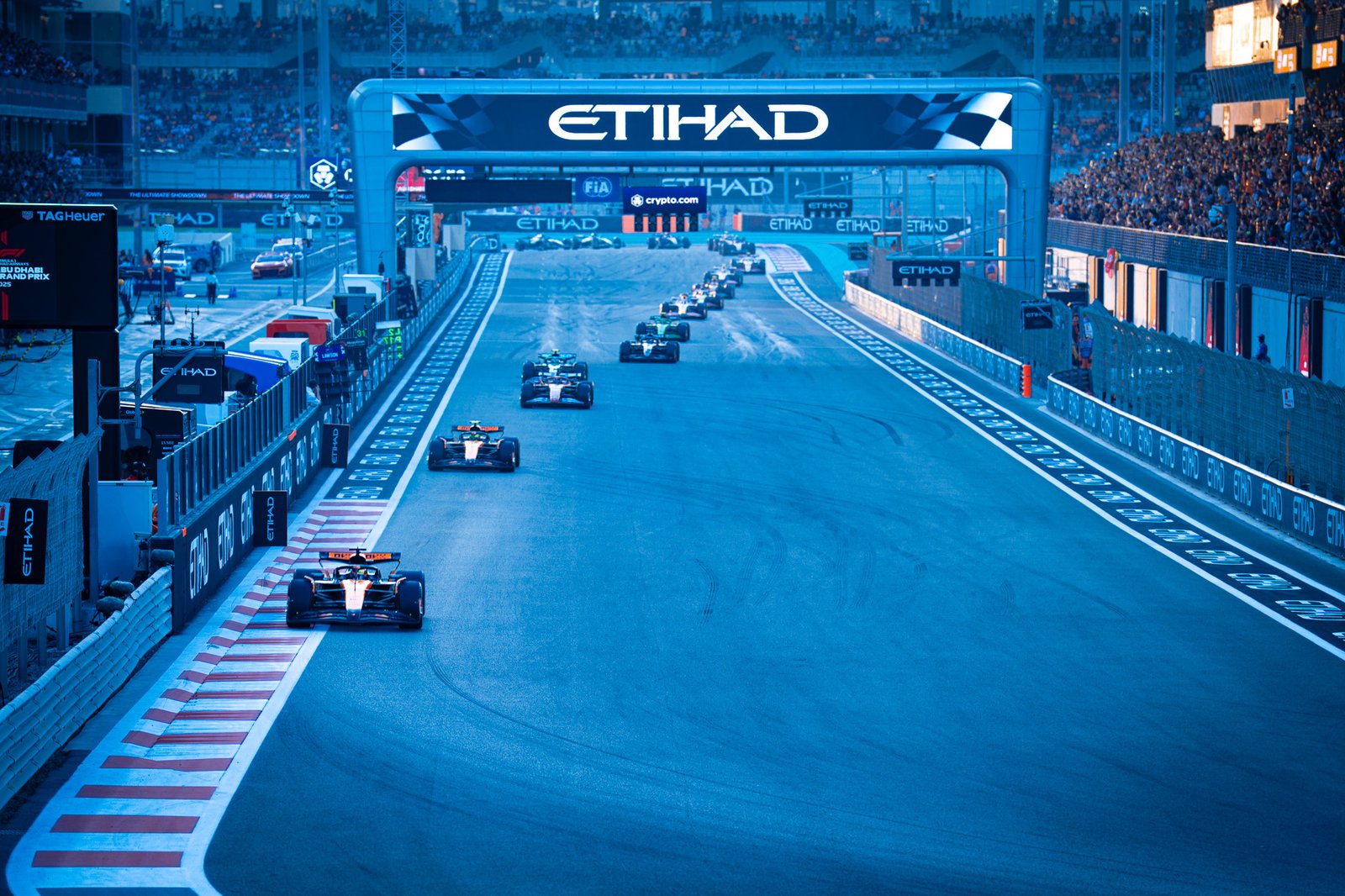
Formula 1’s final Dutch Grand Prix produced a spectacular result, but its most useful lesson arrived before the field had completed a racing lap. Race control sent the cars around behind the Safety Car, then released them into a standing start on slick tires while isolated sections of Zandvoort remained soaked. Max Verstappen crashed at the final corner on Lap 1, Gabriel Bortoleto spun nearby, and the race was stopped.
Verstappen accepted responsibility for his accident. That matters: this is not an argument that race control caused a driver error. It is an analysis of a start procedure that tried to preserve several safety options at once, yet may have reduced the drivers’ chance to build tire temperature and read the circuit at representative speed.
The decision made sense—and still deserves scrutiny
Motorsport reported that the FIA sent the medical car on an unusual reconnaissance lap before the start. Its feedback identified standing water at Turns 2 and 3, including the banked Hugenholtz corner. Race control therefore put the formation lap behind the Safety Car. That kept open the option of switching to a rolling start if conditions proved worse than expected, even though the intention remained a standing start.
On paper, that is defensible risk management. A race director cannot evaluate only the driest racing line or assume twenty-two cars will encounter the same grip. The official Formula 1 race report confirms that heavy rain had complicated the drive to the grid, while teams initially considered intermediate and full-wet tires before much of the field moved to slicks as the shower eased.
The problem was the mismatch between the information race control wanted and the information the drivers needed. A Safety Car lap samples the surface conservatively and preserves procedural flexibility. A normal formation lap lets drivers work the tires, test braking zones and feel how quickly grip changes. Zandvoort gave officials the first benefit but asked drivers to make a standing start without the second.
One wet corner can defeat a whole-lap judgment
Pierre Gasly and Liam Lawson both questioned the hybrid procedure in post-race comments reported by Motorsport. Gasly’s preferred choices were clearer: either a normal formation lap before a standing start, or more running behind the Safety Car. Lawson said the combination of a Safety Car formation lap and a standing start did not make sense to him.
Carlos Sainz supplied the important counterpoint. Because the danger was concentrated late in the lap, he reasoned that a rolling start might not have changed the outcome; by then the cars would already have separated into a line. That observation prevents an easy verdict. The issue was not simply standing versus rolling. It was that most of the circuit encouraged slick-tire confidence while the last corners demanded wet-tire caution.
This is where Zandvoort becomes more than a post-race argument. Conventional wet-start categories—safe, unsafe, rolling, standing—are too coarse for a circuit whose grip can vary sharply across one lap. The operational question should be whether the field has sampled the worst sector at a speed and tire state that meaningfully resemble the opening lap, not merely whether an inspection vehicle has confirmed that cars can circulate.
A better protocol would reduce ambiguity
The evidence does not prove that an extra lap would have prevented Verstappen’s crash. Warmer tires can improve grip, but they can also encourage greater commitment. Verstappen said he made the mistake, and Lawson described deliberately leaving more margin through the same area. Driver judgment remained decisive.
Still, the sequence suggests a practical improvement. When race control uses a Safety Car formation lap but intends a standing start on slicks, it should explicitly assess three separate conditions: whether the field has generated adequate tire temperature, whether every materially wet sector has been sampled under representative acceleration, and whether another controlled lap would reduce uncertainty more than it adds exposure. That is a decision framework, not a guarantee.
It would also make the FIA’s reasoning easier for drivers to act on. Race control knew about standing water early in the lap; competitors were most concerned about the soaked final corners. Both assessments could be correct, yet they focused on different hazards. A concise explanation over the established communication channels could tell teams which sectors drove the decision and whether the lap was intended as inspection, tire preparation or both.
Formula 1 should resist turning every accident into proof that procedure failed. It should be equally wary of treating a defensible decision as the end of the inquiry. Zandvoort exposed an information gap: race control preserved options, while drivers felt they lacked preparation. Closing that gap before the next mixed-weather start would be the most valuable result to carry away from the Dutch Grand Prix.