San Francisco won twice in different ways on Monday night: first by creating room for error, then by surviving after much of that room disappeared. The 49ers’ 23–17 victory over Washington at Levi’s Stadium kept them unbeaten, but its most useful lesson sits between the early scoring and the final defensive stand.
A lead changes what each possession is worth. It does not eliminate the need to earn another one. TENS Magazine’s analysis of the two clubs’ accounts finds a game in which San Francisco’s early offense and late defense supplied distinct forms of control, while Washington’s recovery showed both the value and the limits of repeatedly getting the ball back.
The margin changed the assignment
The confirmed outline is straightforward. San Francisco led 20–3 at halftime and extended that advantage to 23–3. Washington then scored two touchdowns to narrow the gap to six points. Both teams’ official reports agree on the final score and on the late opportunities Washington had to change it.
That sequence matters more than simply calling the finish close. At 23–3, Washington needed several scoring possessions and defensive stops. At 23–17, a touchdown and successful extra point could put it ahead. The same field position therefore carried a different threat as the scoreboard changed. San Francisco could no longer treat giving up yards as merely a trade for elapsed time.
The early advantage still had real value. Without it, the late defensive plays would have been asked to solve a different problem. But building a cushion and preserving possession are separate accomplishments. Monday’s result supports credit for the first without establishing that the 49ers consistently achieved the second.
A stop creates an opportunity, not points
Washington’s official game account describes an early fumble recovery followed by an offensive possession that ended without a first down. Later, defensive stops helped produce chances during the comeback. The contrast offers a sharper way to assess the Commanders than treating every takeaway or forced punt as an equivalent success.
For TENS, the useful unit of analysis is the pair of possessions: the defensive stop and the offense’s response. A defense can interrupt an opponent’s momentum, but the scoreboard changes only if the next unit converts that opportunity. An immediate punt returns much of the practical advantage, even though the defensive play remains a positive entry in the game record.
This is especially important when evaluating a rally. Washington’s later scoring does not erase the cost of earlier empty possessions. Equally, those early failures do not make the comeback meaningless. The evidence shows that the team could threaten the lead after its defense supplied more chances; it does not establish that the entire offensive performance was effective.
A useful review would therefore ask what changed between those opportunities: starting field position, down-and-distance, protection and the offense’s ability to keep a series alive. The published accounts establish the contrasting outcomes. They do not, by themselves, isolate one tactical adjustment as the cause.
The defense had to finish twice
The 49ers’ report identifies Malik Mustapha’s fourth-down breakup near the goal line as a critical late play. It also records Romello Height and Keion White combining for the sack that ended Washington’s final possession. Those plays belong in the same explanation, but they did different work.
Mustapha’s intervention denied an immediate scoring opportunity and returned possession. The final sack exhausted Washington’s remaining chance. Between those moments, the Commanders obtained the ball again. That distinction prevents a familiar analytical shortcut: describing a dramatic stop as the play that ended a contest when another defensive response was still required.
San Francisco deserves credit for producing both answers. Still, repeated rescue opportunities are a demanding way to protect an advantage. The coaching question is how the offense can turn a defensive stop into a possession that reduces the need for another one. That is an evaluation of this finish, not a prediction that the same pattern will decide the next game.
What the result can support
Washington’s public-relations summary lists Jayden Daniels with 300 passing yards and two passing touchdowns. Those figures describe production, but they cannot alone explain when the offense helped the team most. Reading them alongside the possession sequence is more informative than using the passing total as a stand-alone verdict.
For San Francisco, the unbeaten record and Monday’s uneven finish can both be true. The useful standard going forward is whether scoring, possession management and defensive execution reinforce one another. Against Washington, they arrived at different moments and ultimately added up to a win. Understanding the gaps between them is more valuable than declaring either the early lead or the late pressure the whole story.
Sources: San Francisco 49ers official postgame report; Washington Commanders official game analysis, gameday blog and public-relations statistics summary.
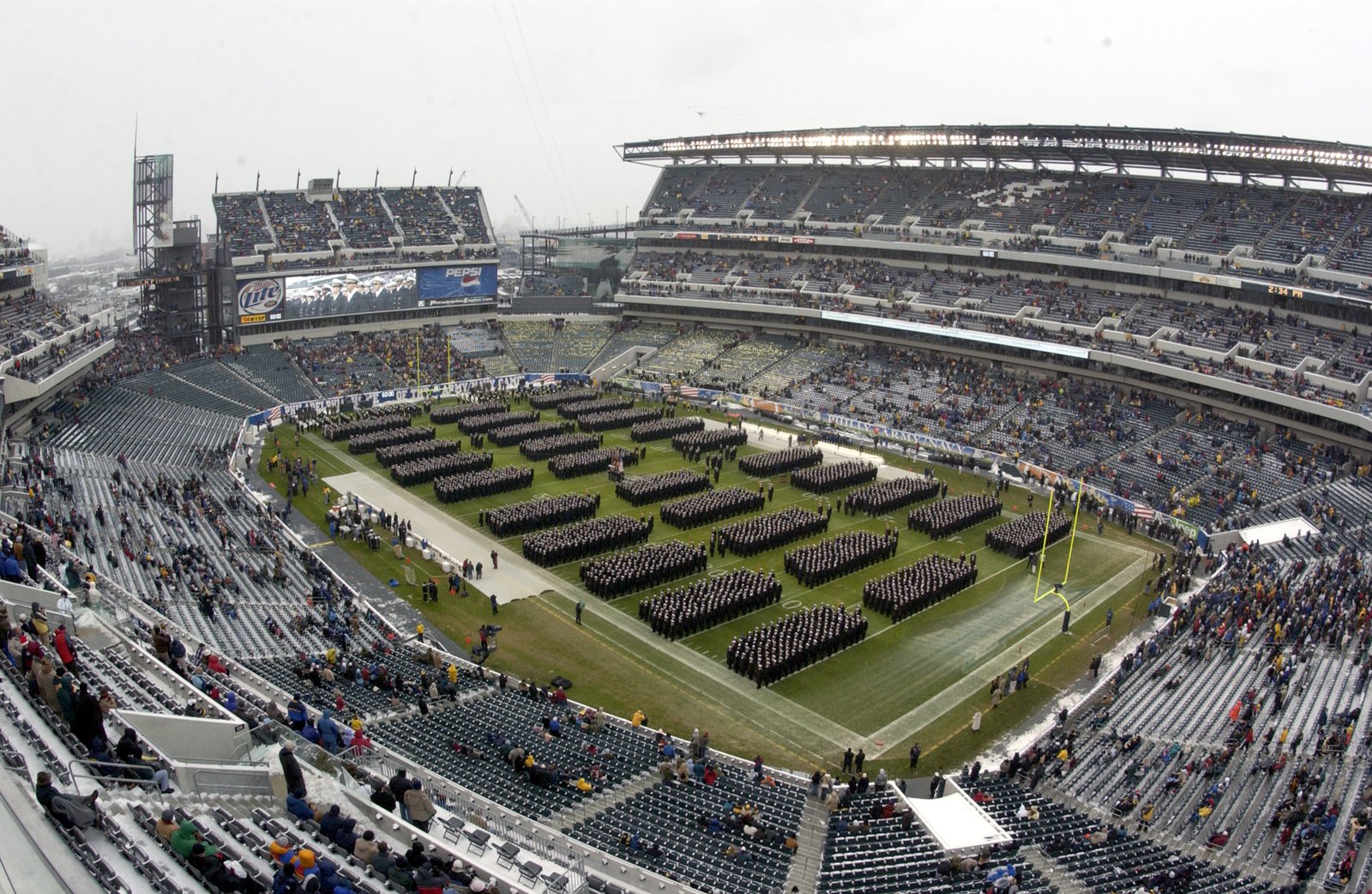
Image: Levi’s Stadium during a 2015 preseason game, not the October 2026 contest. Photograph by Robert Hernandez Villalta via Wikimedia Commons. License: CC0 public-domain dedication. Modifications: center-cropped from 7,216 × 2,998 to 5,329 × 2,998 pixels and resized to 2,400 × 1,350; smaller display versions served by the site.