Bo Melton’s return to Green Bay’s active roster on September 14 is best understood as a change in how the Packers carry a contributor, rather than the beginning of his usefulness. His path through the opening weekend separates three questions that transaction headlines often compress: where a player is listed, whether he is available for a game, and what work he actually performs.
The Packers announced Monday that they had signed Melton from the practice squad to the active roster. The next day, special teams coordinator Cam Achord discussed Minnesota’s efforts to direct kickoffs away from Skyy Moore and toward Melton. Together, the personnel record and the coordinator’s comments provide a more informative picture than either a signing notice or a return highlight alone.
The transaction sequence matters
Green Bay’s September 11 announcement recorded Melton’s release and signing to the practice squad. On September 12, the club announced his elevation for game day, alongside linebacker Kristian Welch. Monday’s signing then put Melton back on the active roster. The NFL’s September transaction ledger separately records his September 11 release.
Read in isolation, the first move could look like a player falling out of the plan, and the last like a fresh arrival. The intervening elevation makes that interpretation inadequate. Green Bay retained a route to using Melton during the weekend between those announcements. An administrative change did not amount to an uninterrupted absence from the football operation.
That chronology is the central point of this TENS analysis. A roster label describes a player’s formal position at a particular moment. It does not, by itself, measure coaching trust, explain every personnel decision or establish a depth-chart ranking. Here, the sequence supplies evidence of continued involvement without requiring an invented account of the front office’s private reasoning.
A separate job on kickoffs
Achord’s September 15 comments add a football reason to examine Melton beyond his receiver designation. The coordinator said Minnesota moved the ball around to limit Moore’s opportunities. He also indicated that Melton’s long return could complicate opponents’ choices about where to kick. Green Bay’s official highlight description records that return as 59 yards.
The analytical distinction is between an individual skill and the choices created by a pairing. When a return unit has another credible ball carrier available, avoiding one player does not automatically remove the possibility of a damaging return. That is a tactical consideration, not a claim that opponents have lost control of their kicking strategy or that every return will produce favorable field position.
It also changes how a reader should assess a reserve receiver’s contribution. Receiving totals describe one part of the assignment. They cannot account for the value of handling a kickoff that an opponent deliberately directs away from someone else. A player can occupy a modest place in the passing game and still matter to decisions made on a different unit.
What the evidence can establish
There is a useful check within the Packers’ own announcements. The September 11 release listed 28 receptions for 416 yards across Melton’s Green Bay career; the September 14 signing listed 29 for 426. Subtracting the earlier figures from the later ones yields one additional reception and 10 receiving yards. That comparison shows why the passing line alone would give an incomplete account of the weekend described by the club’s return coverage.
The calculation is deliberately narrow. It compares the published totals; it does not estimate hidden yardage, assign a points value to a return or measure Melton’s overall efficiency. Nor does one long return establish a repeatable average. A sound evaluation keeps the observed contribution separate from the larger performance questions that require more games and more detailed evidence.
There is a similar limit on interpreting the signing. The public announcements establish what Green Bay did. They do not establish that the return caused Monday’s decision, disclose contract guarantees or promise an expanded offensive role. The timing makes the special-teams context relevant, but timing alone cannot prove the club’s complete rationale.
How to judge the next step
The useful follow-up is therefore about deployment: whether Melton continues to receive kickoff opportunities, how Green Bay distributes that work with Moore, and whether his offensive involvement changes. Those are observable questions. They are more precise than treating an active-roster place as a prediction of targets, starts or a permanent job.
Melton’s opening-week sequence offers a practical lesson in reading NFL personnel news. The transaction log establishes availability, the game record documents contribution, and attributable coaching comments explain part of the tactical setting. Keeping those forms of evidence together produces a fuller evaluation while leaving the unknowns intact.
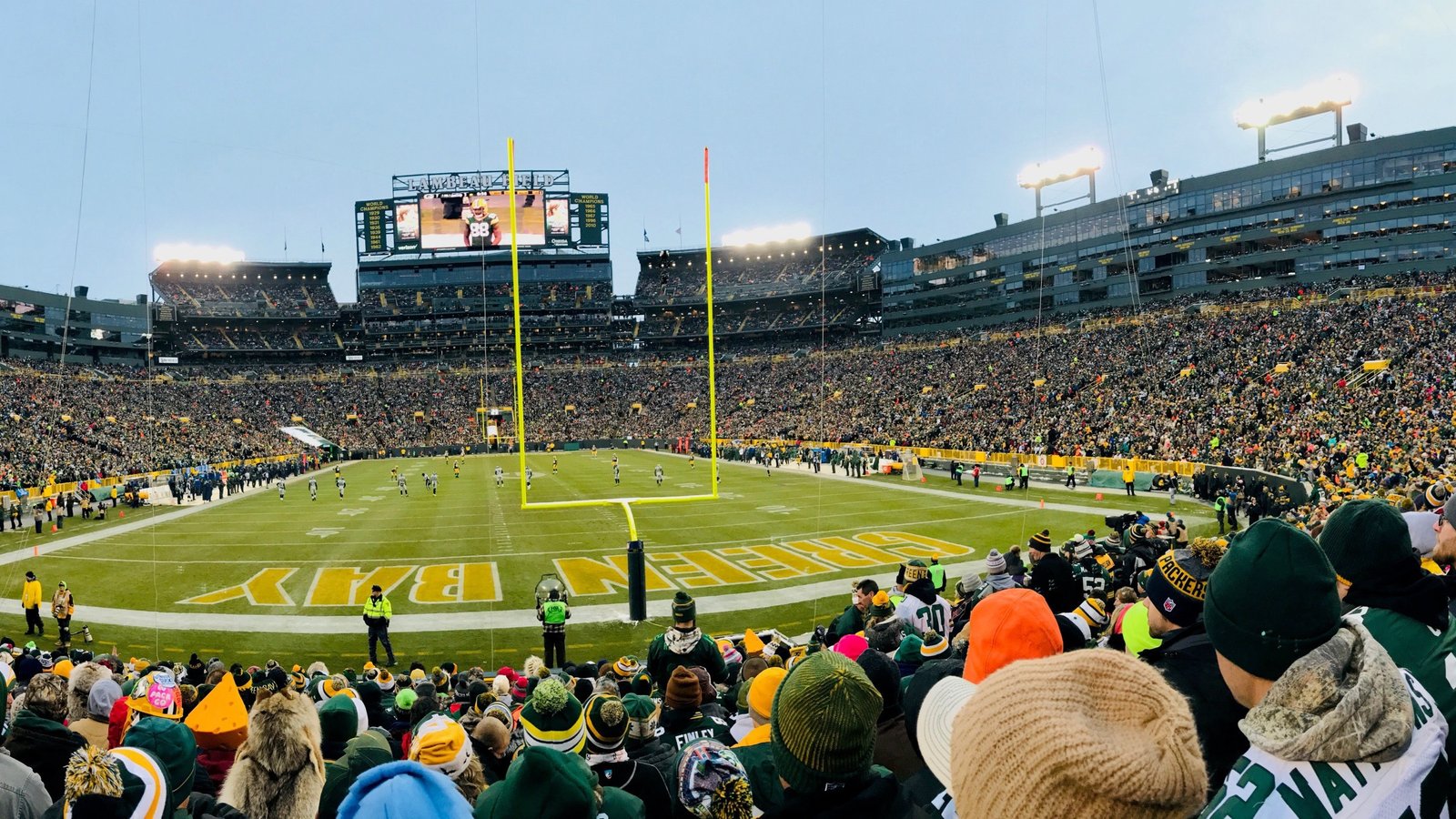
Featured image: Archival December 2016 panorama of Lambeau Field, shown for Green Bay Packers context. Credit: Mtyson84 via Wikimedia Commons. License: CC0 1.0 Universal Public Domain Dedication. Modifications: Center-cropped from 5,257 × 1,830 to 16:9 and resized to 2,400 × 1,350; no other changes.