Pittsburgh’s 34–22 victory over Indianapolis on October 11 offers a useful distinction between producing a spectacular play and controlling a game. Jaylen Warren supplied the spectacle at Acrisure Stadium, scoring on an 80-yard reception and a 50-yard run. Yet the Steelers still needed a fourth-quarter answer after the Colts narrowed the deficit to two points. The long touchdowns created an advantage; converting later possessions made it hold.
TENS Magazine’s analysis is that this game should be read through the value of each scoring opportunity, rather than through the highlight reel alone. Indianapolis kept putting points on the board. Pittsburgh made more of its scoring possessions end in touchdowns, then paired a decisive offensive drive with a defensive stop. Those are connected achievements, but they require different kinds of execution.
The scoring mix explains the margin
The official Steelers and Colts accounts agree on the final score and Warren’s two long touchdowns. The Steelers’ player-of-the-week report also records two touchdown catches by Pat Freiermuth, two Chris Boswell field goals and four successful extra points. Indianapolis’ recap records five Spencer Shrader field goals and a one-yard rushing touchdown by tight end Tyler Warren.
That makes the scoring comparison unusually clear. Pittsburgh’s four touchdowns were worth 24 points before extra points; Indianapolis’ one was worth six. The Colts recovered nine points of that difference through field goals, scoring 15 to Pittsburgh’s six. The remaining extra-point difference brought the final margin to 12. This is a decomposition of the actual score, not a claim that swapping any individual play would have produced a different winner.
The distinction matters when evaluating Indianapolis. A successful kick records an accomplished task for the kicking unit and an unfinished opportunity for the offense on the same possession. Shrader’s production cannot reasonably be described as the problem. The issue was the frequency with which the Colts required a field goal to finish work that had moved them into scoring range.
Explosive gains did not settle the afternoon
According to the Steelers’ game report, Jaylen Warren finished with 188 yards from scrimmage. His two scoring plays accounted for 130 of those yards. That is about 69 percent, calculated by dividing 130 by 188. The concentration illustrates how strongly two touches changed his afternoon, without pretending the rest of his work or his teammates’ blocking was incidental.
For Pittsburgh, the encouraging feature was that the offense did not depend exclusively on another breakaway to protect its lead. The Colts’ official chronology places the score at 24–22 with 11:42 remaining. On the response, Aaron Rodgers found Germie Bernard for 25 yards on third-and-two, then Freiermuth for a 17-yard touchdown on third-and-six.
Those conversions solved two separate problems. Bernard’s catch extended the possession and moved Pittsburgh downfield. Freiermuth’s catch finished the drive with the larger scoring return. Treating both simply as passing yardage misses their situational importance: one preserved the opportunity, and the other converted it into a lead Indianapolis could no longer erase with a single ordinary touchdown possession.
Defensive value beyond the turnover count
The Steelers’ recap reports that Pittsburgh forced no turnovers and recorded one sack. Those totals alone would leave an incomplete impression of the defense. The same report says Indianapolis failed on 11 of 15 third downs. A defense can surrender movement between scoring opportunities while still materially reducing what those opportunities yield.
The team’s separate postgame analysis adds useful detail: Asante Samuel Jr. had four pass breakups, three on third down and one on fourth down. It also notes that Indianapolis completed five passes gaining at least 20 yards. Together, those facts resist an easy description of either complete defensive dominance or constant defensive failure. Pittsburgh allowed damaging gains, then won enough of the downs that determined whether drives continued.
That is the complementary relationship in this result. Offensive touchdowns made field goals less valuable to the opponent; defensive stops made Pittsburgh’s touchdowns harder to match. Neither side needed a perfect statistical afternoon for the combination to work.
What this result can establish
One game cannot establish that Pittsburgh will keep generating long touchdowns or consistently escape after allowing substantial gains. Nor does it show that Indianapolis’ scoring problems will persist. The responsible conclusion is narrower: this particular margin grew from different returns on scoring possessions and from Pittsburgh’s ability to execute after its cushion had nearly disappeared.
The next evaluation should therefore separate the repeatable assignment from the exceptional outcome. Blocking, completing a third-down throw and contesting a pass are tasks a team can keep testing. An 80-yard touchdown is an outcome it cannot budget for. Pittsburgh won with both on Sunday, and the late drive explains why the performance deserves attention beyond Warren’s longest runs through the highlights.
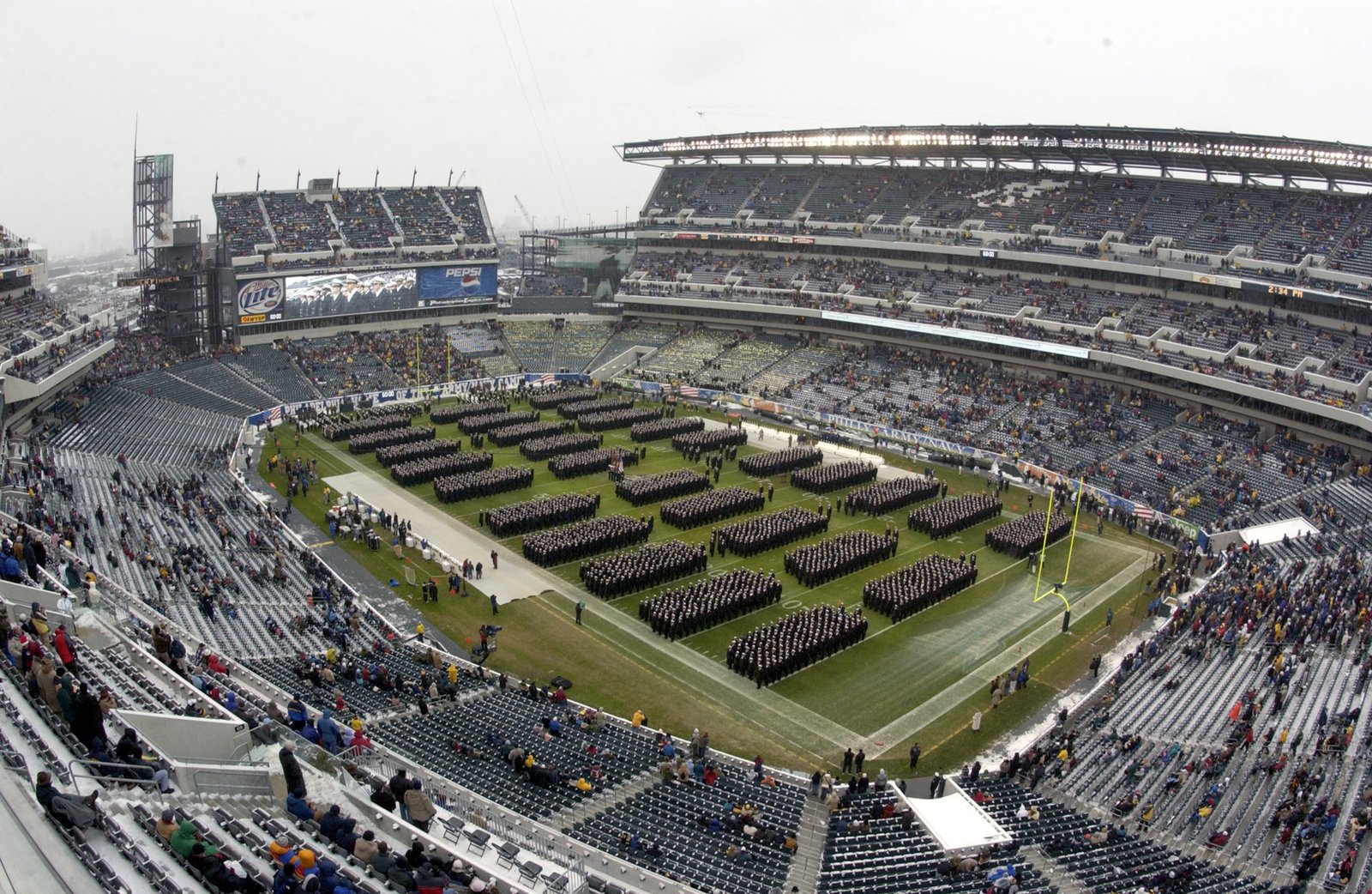
Cover photograph: Acrisure Stadium in November 2022, shown as archival venue context, not an image of this game. Cbaile19 via Wikimedia Commons. CC0 1.0 Universal Public Domain Dedication. Center-cropped by one pixel in each dimension and resized for the landscape cover.