Seattle’s move for Quenton Nelson has two prices: the draft choices sent to Indianapolis and the change it makes to the offensive line already in the building. The first is easy to list. The second will take practice, lineup decisions and games to evaluate.
Both clubs announced the trade on October 27. Indianapolis receives Seattle’s third-round selection in 2027 and fifth-round selection in 2028. Seattle’s announcement describes the acquisition as pending a physical. That qualification matters: the announcement establishes the agreement, without establishing every subsequent step in Nelson’s arrival.
The companion roster move provides another part of the picture. Seattle announced that it waived Christian Haynes to open a place on the 53-man roster. Read together, the announcements describe an exchange of future resources for veteran experience, accompanied by the departure of a guard who had already supplied starts this season.
Analysis: the roster spot has a football cost
The Seahawks’ account says Haynes had appeared in 31 games across three seasons, with five starts this year while Anthony Bradford was injured. Those details make the departure more consequential than an administrative line beneath the headline. Seattle is replacing a player who had been part of its working depth.
That does not establish that keeping Haynes would have been the better choice. It establishes what a fair assessment must include. An incoming player’s reputation measures one part of the decision; the ability of the revised group to cover different assignments measures another. Adding a decorated starter and preserving every existing contingency are separate objectives.
For an offensive line, the distinction is practical. A roster place does not specify which combinations will practice together, who will handle a changed assignment or how a unit will respond when a different player is unavailable. Those questions belong to coaching decisions and subsequent evidence. The transaction announcement cannot answer them by itself.
Nelson’s background gives Seattle a substantial body of work to evaluate. The Colts list 136 career starts and first-team All-Pro selections in 2018, 2019 and 2020. Seattle identifies him as Indianapolis’s left guard from the beginning of his rookie season. That is evidence of experience at a defined position, rather than proof of a particular Seattle lineup.
Two draft years, two different decisions
The compensation also deserves a more precise reading than a simple count of two picks. One selection comes in the next draft; the other comes a year later. Indianapolis gains opportunities on separate calendars, while Seattle gives up choices that otherwise could have served different roster needs.
Neither selection has an overall number established by these announcements. Calling the return a particular pair of future players would therefore invent certainty twice: first about where the picks will fall, and then about whom Indianapolis will select. The confirmed asset is the right to make a choice in each stated round and year.
Our assessment is that the trade shifts the kind of uncertainty each club accepts. Seattle takes on the task of fitting an experienced guard into an existing unit. Indianapolis takes on the task of turning future selections into useful players while filling the immediate opening. Neither process is completed by announcing the exchange.
That distinction also limits instant verdicts about value. A draft pick retains flexibility until it is used or moved; a veteran brings a record that can be studied now. Comparing them requires a view of both present needs and future options. The published terms allow readers to identify that trade-off, but do not settle which organization will execute it better.
What would demonstrate that the move works?
The next useful evidence is more specific than excitement about a name. Seattle’s confirmed practice and lineup decisions can show how Nelson is incorporated. Game evidence can then test whether the resulting combinations execute their assignments consistently. Those are distinct stages, and neither should be assumed from an award history.
For Indianapolis, the immediate evaluation concerns the line it fields after Nelson’s departure. The eventual evaluation of the return will require the draft choices to be used, traded or otherwise resolved. Mixing those timelines risks judging a future asset as though it had already supplied a replacement.
The most defensible reading today is therefore a decision about where each club wants its resources. Seattle has committed future selections and changed its current guard group to bring in established experience. Indianapolis has converted that experience into future options. The terms are confirmed; the quality of the new lineups and the value realized from those options remain open questions.
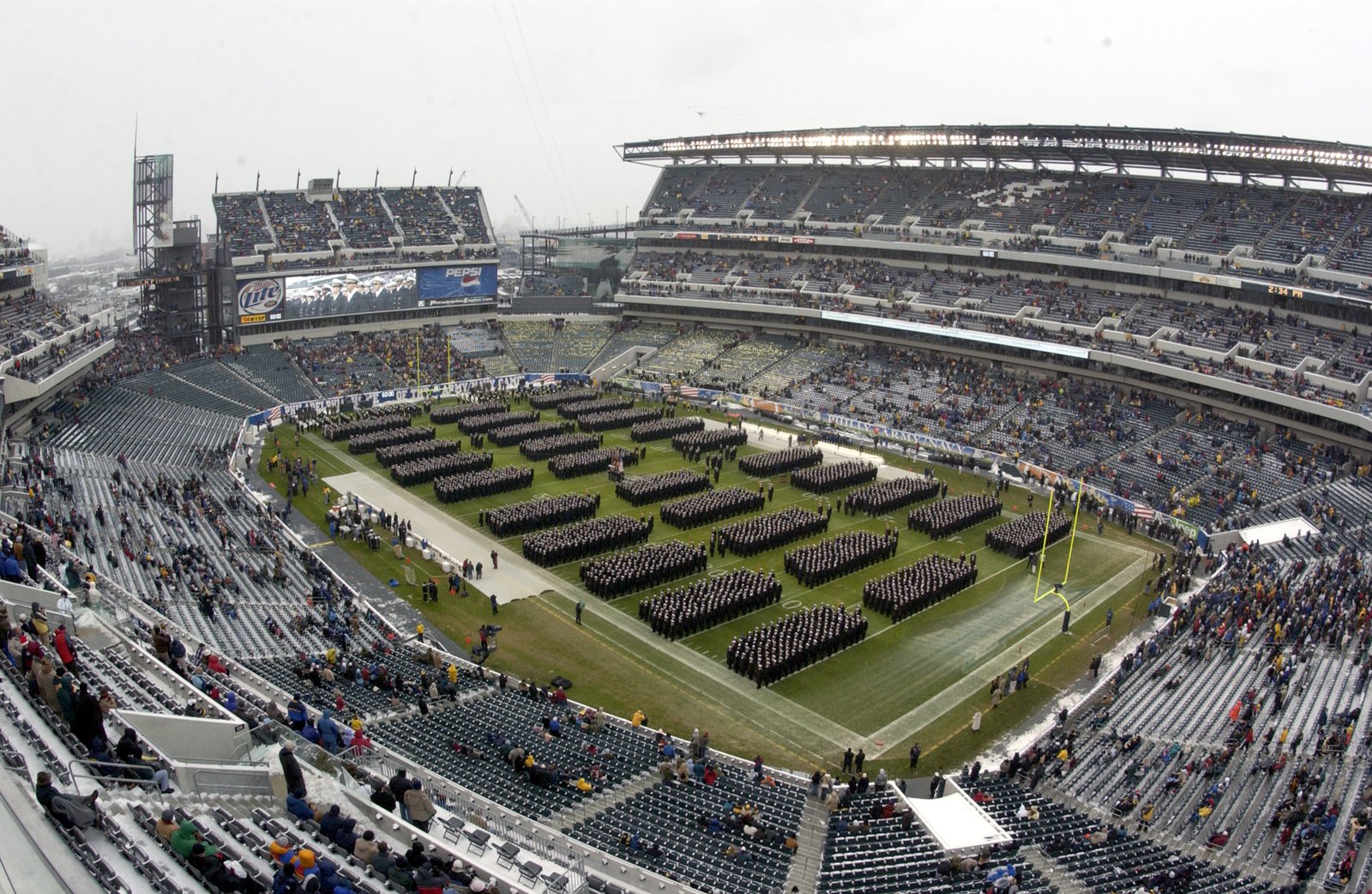
Image: Archival view of Seattle’s Lumen Field, then named CenturyLink Field, at the 2015 NFC Championship Game; not a photograph of Nelson or the 2026 trade. Photo by U.S. Navy Mass Communication Specialist 3rd Class Caleb Cooper via Wikimedia Commons. Public domain, U.S. Navy work. Modifications: cropped from 4,733 × 3,150 to 4,733 × 2,662 pixels and resized to 2,400 × 1,350 pixels.