By The TENS Magazine Editorial Staff
The Pittsburgh Steelers changed their safety competition with a direct veteran swap. The club announced Sunday that it signed Rayshawn Jenkins to a one-year contract and released Darnell Savage. The NFL transaction wire separately records Jenkins’ signing and Savage’s termination on August 2.
The paired moves are more informative together than either would be alone. Pittsburgh replaced one experienced safety on a one-year deal with another, creating a fresh evaluation without committing a regular-season role to the newcomer.
What Pittsburgh confirmed
Jenkins enters his 10th NFL season after playing for the Los Angeles Chargers, Jacksonville Jaguars, Seattle Seahawks and Cleveland Browns. The Steelers credit him with 139 career games, 92 starts, 562 tackles, 34 passes defensed, 20 tackles for loss, 11 interceptions, 5.5 sacks, 2 forced fumbles and 2 fumble recoveries.
He appeared in all 17 games for Cleveland last season, starting 3. Pittsburgh lists 45 tackles, 19 solo stops, 1 interception, 1 forced fumble and 1 fumble recovery. Those numbers do not establish how the Steelers will deploy him.
Savage had joined Pittsburgh in June on his own one-year contract. The team said the former Green Bay first-round pick had appeared in 88 games with 82 starts across 7 seasons. His career record included 367 tackles, 40 passes defensed, 10 interceptions, 3 forced fumbles, 2 fumble recoveries and 1 sack. He played 12 games for 3 clubs in 2025. The August wire now lists his termination as a vested veteran.
No official announcement reviewed by TENS Magazine disclosed financial terms or explained the switch. Any claim that the move settles the depth chart would go beyond the confirmed record.
The safety room is still an evaluation
Pittsburgh’s official roster lists Jenkins alongside Jaquan Brisker, DeShon Elliott, Jack Henderson and rookie Robert Spears-Jennings at safety. It shows the competition Jenkins is entering, but does not identify starters, sub-package assignments or the eventual group.
Training camp tests combinations that biography cannot settle. Jenkins has the most NFL experience of the listed safeties. Statistics from 4 previous teams cannot answer how quickly he will absorb Pittsburgh’s terminology or which responsibilities the coaches want him to handle.
TENS analysis: a change in options, not a verdict
The clearest reading is that Pittsburgh has recalibrated one veteran slot rather than declared a winner. Jenkins replaces Savage on the roster, but the transaction does not erase the need for camp evidence. Experience can shorten an installation curve; it cannot substitute for communication, assignment discipline or fit with the other defensive backs.
The useful comparison is not simply 139 career games against 88. Jenkins has more recent participation across a full 17-game season, while Savage brought a higher share of career starts. Pittsburgh exchanged one veteran profile for another without promising a starting job.
Jenkins’ 20 tackles for loss, 5.5 sacks and 11 interceptions reflect experience affecting plays from multiple areas. That is evidence of past versatility, not a projection of future production. Pittsburgh can test whether those skills translate.
There is a second distinction worth preserving: roster flexibility is not roster certainty. The presence of experienced and younger options gives the staff several possible combinations. The August 2 move changes the candidate pool. It does not tell us which combination will survive final cuts or appear in a specific package.
What comes next
The next meaningful evidence will be observable rather than contractual: where Jenkins lines up, which groups he works with, how the defense handles communication when he is on the field and whether he contributes on special teams. Preseason usage can add context, although those snaps will remain part of an evaluation rather than a binding depth-chart decision.
For now, the Steelers have made a narrow but consequential roster choice. They moved from Savage to Jenkins, retained a veteran presence at safety and reopened the question of how that experience fits around the room. The transaction is settled. Jenkins’ role is not.
Sources: Pittsburgh Steelers transaction announcements and active roster; NFL August 2026 transaction wire.
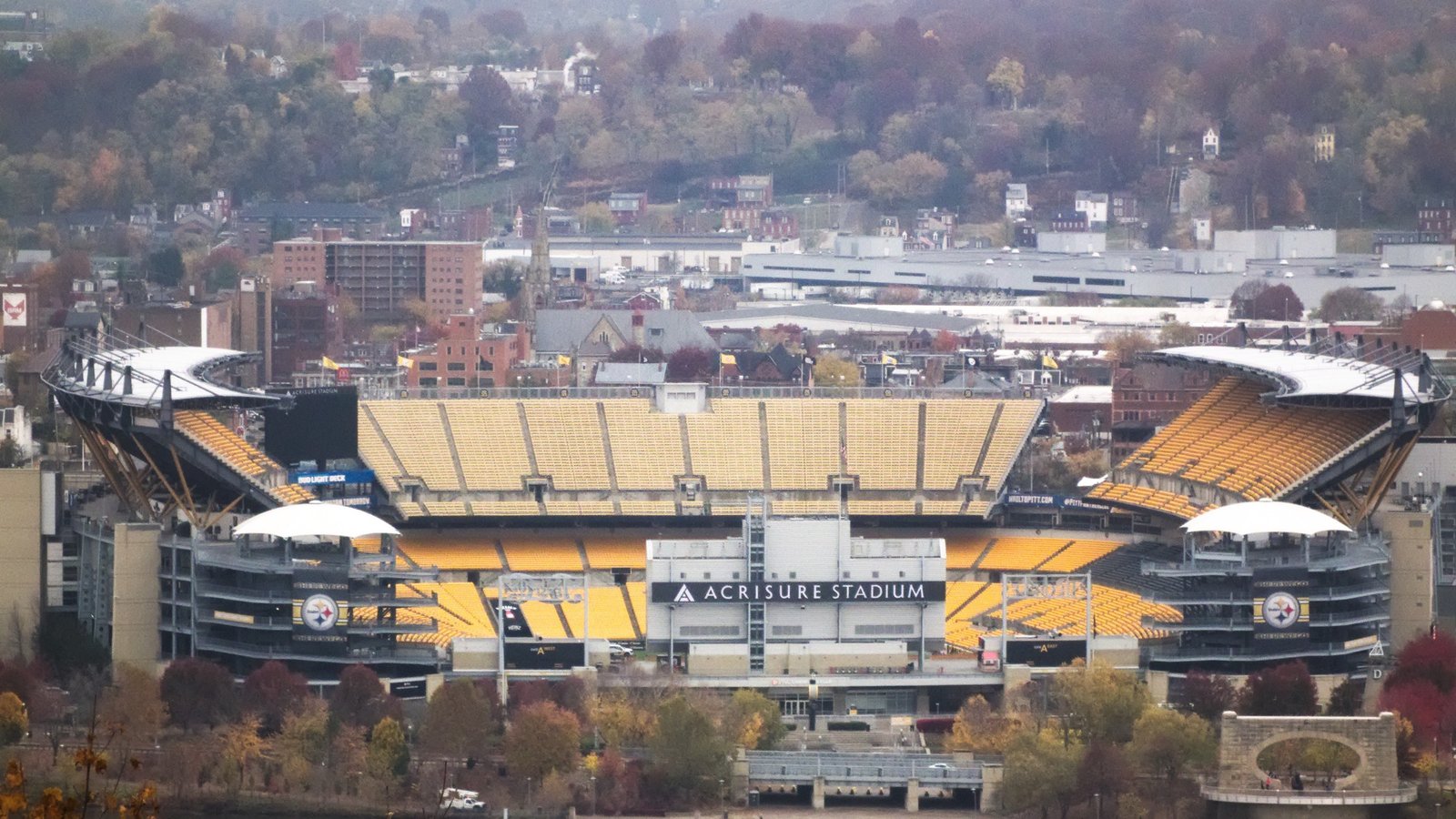
Featured image: Acrisure Stadium in Pittsburgh. Photo by Cbaile19 via Wikimedia Commons. License: CC0. The original image was center-cropped by one pixel in each dimension and resized to 2,400 × 1,350.