The Steelers and Saints will reach the same field in Paris on Sunday after taking different routes through the working week. Pittsburgh preserved more of its preparation at home. New Orleans moved its routine overseas earlier. Their first meeting on French soil puts an unusually visible spotlight on a decision that normally stays behind the football: where to spend the days before kickoff.
Friday’s reporting from both clubs supplies a useful comparison, but no verdict on which itinerary works best. The TENS Magazine analysis is that travel preparation should be judged by the work it protects, the disruption it can absorb and the evidence available afterward. The final score alone cannot separate those effects from the football played.
What the clubs have confirmed
The Steelers’ official account of Mike McCarthy’s Friday press conference says Pittsburgh arrived that morning. Weather prompted the team to abandon its planned outdoor session at Stade de France and get players moving at the hotel instead. McCarthy described advance planning for that possibility and an effort to give players more time to sleep earlier in the week.
His explanation also reached beyond Paris. Pittsburgh had played at Tampa Bay the previous week and faces Cleveland the following Sunday. Keeping familiar arrangements at home for longer was part of the calculation, according to the club’s reporting.
The Saints’ Friday report describes a different sequence: New Orleans departed after its road game against the Giants and spent the week preparing in France. Pete Werner praised the scheduling but said Thursday was the first day he felt like himself. Julian Blackmon described feeling jet lag until Wednesday. Those are attributable personal accounts, not a measurement of the whole roster.
Analysis: two ways to protect a routine
The contrast is less about whether routine matters than where each team chose to preserve it. Pittsburgh retained familiar facilities and working arrangements for more of the week. New Orleans gave itself more time to establish a version of that routine at the destination. Both approaches still require the ordinary tasks of an NFL week: installing assignments, rehearsing communication and making sure players understand the plan.
Moving earlier does not automatically create extra preparation. Some of the additional time abroad may be needed simply to settle into new surroundings. Staying longer at home does not automatically preserve every useful hour, either. It concentrates the transition closer to the game. The relevant comparison is therefore the usable work completed under each arrangement, rather than a count of hotel nights.
The Saints’ player accounts make that distinction concrete. An early arrival can provide room for an adjustment period without eliminating the adjustment itself. Those accounts support asking how the schedule accommodated individual experiences; they do not establish that every Saint adapted at the same pace or that Pittsburgh’s players will respond similarly.
A contingency is part of the preparation
Pittsburgh’s weather adjustment offers a second test. A schedule has value only if its most important functions survive when a planned location becomes unavailable. Moving an activity indoors may preserve some work while changing what can be rehearsed. The public report does not provide enough detail to declare the hotel session equivalent to the planned stadium session.
For an editorial assessment, that missing detail matters more than the optics of a changed itinerary. The useful questions are which assignments needed physical rehearsal, which could be reinforced in meetings and whether the replacement arrangement served those purposes. A change of venue is evidence of adaptation. It is not, by itself, evidence that preparation succeeded or failed.
The Steelers’ separate Friday player report adds another limitation to broad claims about travel. T.J. Watt said he slept better on this flight than on the team’s previous trip to Dublin. An individual can experience two international journeys differently. A club’s past result overseas therefore cannot settle how well its current travel plan serves this roster this week.
What Sunday can actually tell us
Once play begins, observers can examine operational details: whether substitutions are orderly, whether the offense gets organized before the snap and whether communication problems recur. Those observations can help identify work that needs attention. They cannot independently diagnose fatigue or prove that a departure date caused a mistake.
The same restraint applies to a clean opening drive or a late rally. Opponent decisions, execution and game situations all affect what happens. To make a stronger claim about preparation, the clubs would need to connect specific observations with their own practice records and player feedback, information the public accounts do not provide.
Paris thus presents a useful football question before it delivers a result. Each team has chosen a different place in the week to absorb disruption. The standard should be whether the plan leaves players able to carry out their assignments—and whether the club learns something specific enough to improve its next trip. Winning will matter enormously to both teams. It will not turn one afternoon into a controlled test of international travel.
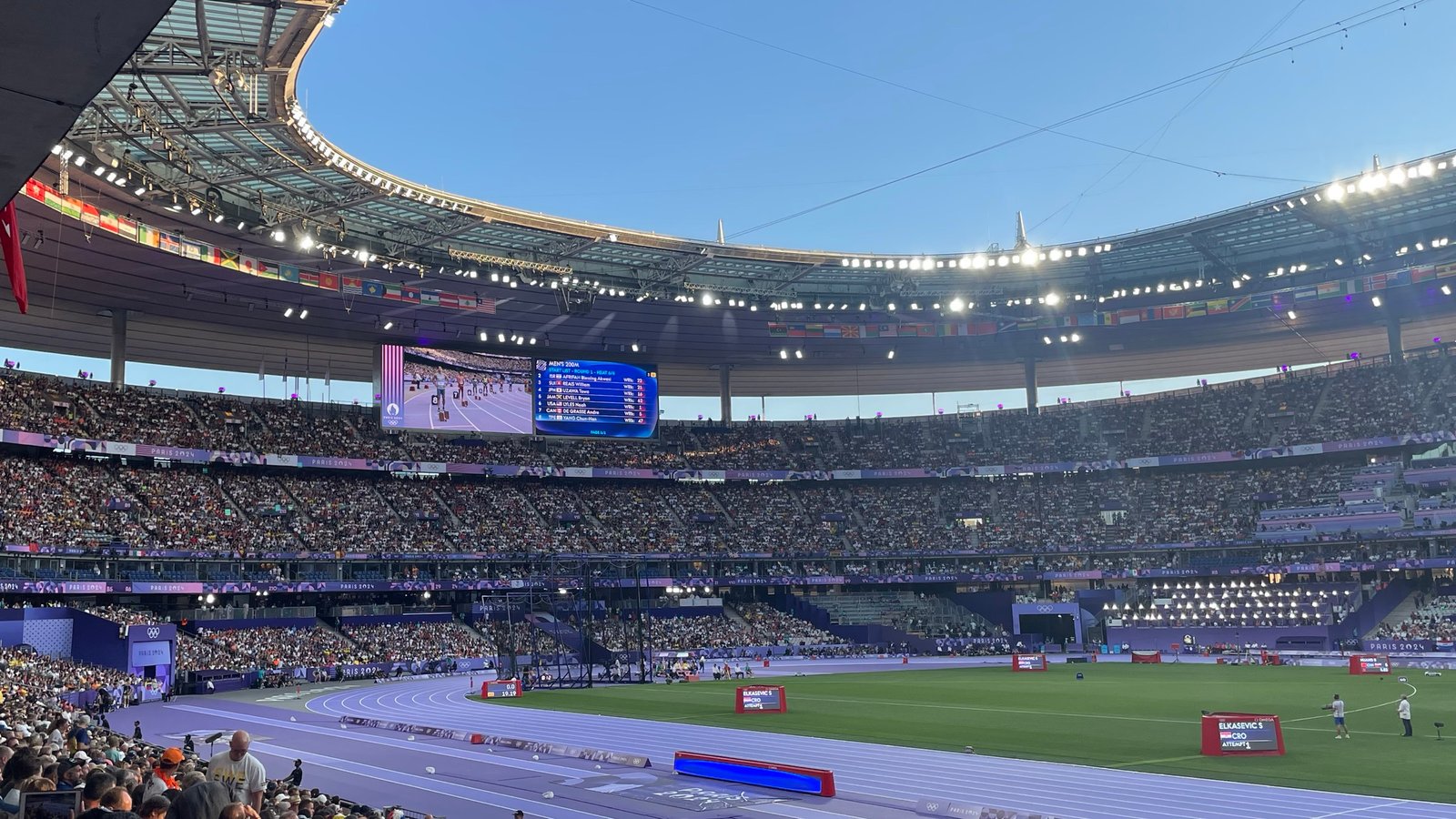
Cover: Stade de France during the 2024 Olympic Games; archival venue photograph, not the 2026 NFL game. Photo: Ilan Costica via Wikimedia Commons. License: CC0 1.0 Universal Public Domain Dedication. Cropped to landscape and resized to 2,400 × 1,350 pixels.