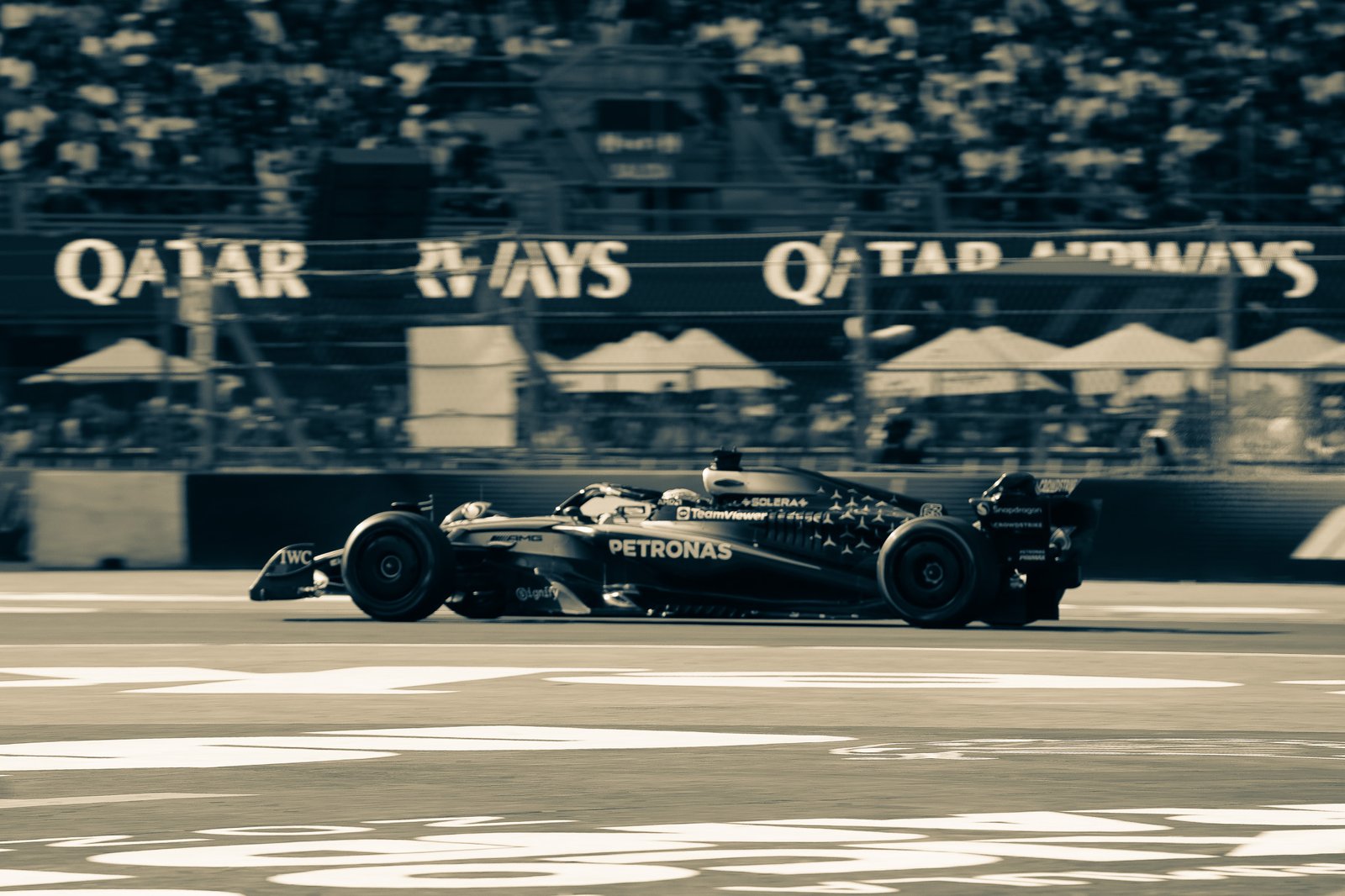
By Tens Magazine Editorial Staff | Photography by Sir Daniel David
LONDON: The 2026 Formula 1 season is poised to introduce one of the most radical regulatory overhauls in the history of the sport. However, a developing technical controversy regarding the Mercedes power unit threatens to overshadow the racing before the first lights go out.
Rival manufacturers have accused the German marque of exploiting a loophole in the new engine regulations. The dispute centers on the internal combustion engine (ICE) and a clever interpretation of how compliance is measured.
The Technical Controversy
The 2026 power unit regulations introduced a cap on the geometric compression ratio of the internal combustion engine. The limit was set at 16:1. This is a deliberate reduction from the previous 18:1 limit. The rule changes were designed to improve sustainability through fully sustainable fuels and to shift emphasis toward the increased electric component of the hybrid system.
The controversy stems from the testing procedure. The regulations specify that compression ratio compliance is measured at ambient temperature. This means checks are performed when the engine is cold and stationary in the garage.
Competitors allege that Mercedes has utilized materials with specific thermal expansion properties to bypass this limit. While the engine sits at the legal 16:1 ratio during cold checks, the components reportedly expand once the power unit reaches full operating temperature on the track. This expansion effectively increases the compression ratio closer to the previous 18:1 standard during racing conditions.
The Performance Advantage
This engineering solution is estimated to deliver a significant performance gain. Estimates suggest an advantage of 10 to 20 horsepower from the ICE alone.
In terms of lap time, this translates to roughly 0.2 to 0.3 seconds depending on the circuit layout. In a season where new regulations are intended to tighten the field, such an advantage could prove decisive in the championship battle.
The Political Fallout
The issue has sparked a unified response from rival manufacturers. Ferrari, Audi, and Honda initially sent a formal letter to the FIA to demand clarification and regulatory intervention. They argue that the exploit undermines the spirit of the rules and creates an unfair competitive advantage.
The situation escalated this week when Red Bull reportedly shifted its stance. The team was initially silent on the matter. However, Red Bull appears to have sided with the complaining manufacturers. This creates a potential supermajority of four out of five engine suppliers against Mercedes. This majority could force the FIA to consider immediate rule adjustments under the governance protocols of the sport.
The Defense
Mercedes Team Principal Toto Wolff remains defiant. He insists the power unit is fully legal and complies precisely with the written regulations. Wolff has characterized the complaints as distraction tactics from rivals.
“The power unit is legal,” Wolff stated in recent interviews. “It corresponds to how the regulations are written.”
What Happens Next
Time is critical for all parties involved. Power units must be homologated by March 1, 2026. This leaves almost no room for major redesigns if the FIA mandates changes. Any forced modification at this stage would be costly and disruptive to the season preparations for Mercedes.
The FIA has yet to announce a formal decision. If no resolution is reached before the season opener in Australia, the likelihood of a formal protest in Melbourne remains high.