The Fédération Internationale de l’Automobile (FIA) and key Formula 1 stakeholders have formally agreed to implement a series of mid-season refinements to the 2026 FIA Formula One World Championship technical and sporting regulations. Following an online summit held on Monday, April 20, 2026, representatives including the FIA, Team Principals, Formula One Management (FOM), and the CEOs of Power Unit Manufacturers finalized adjustments aimed at improving driver safety, standardizing energy management, and promoting consistent on-track performance.
According to the official statement from the FIA, the majority of these regulatory updates will come into effect immediately, starting with the upcoming Miami Grand Prix. The only exception involves newly proposed race start procedures, which will undergo rigorous testing during the weekend in Miami before being officially adopted, pending further feedback and telemetry analysis.
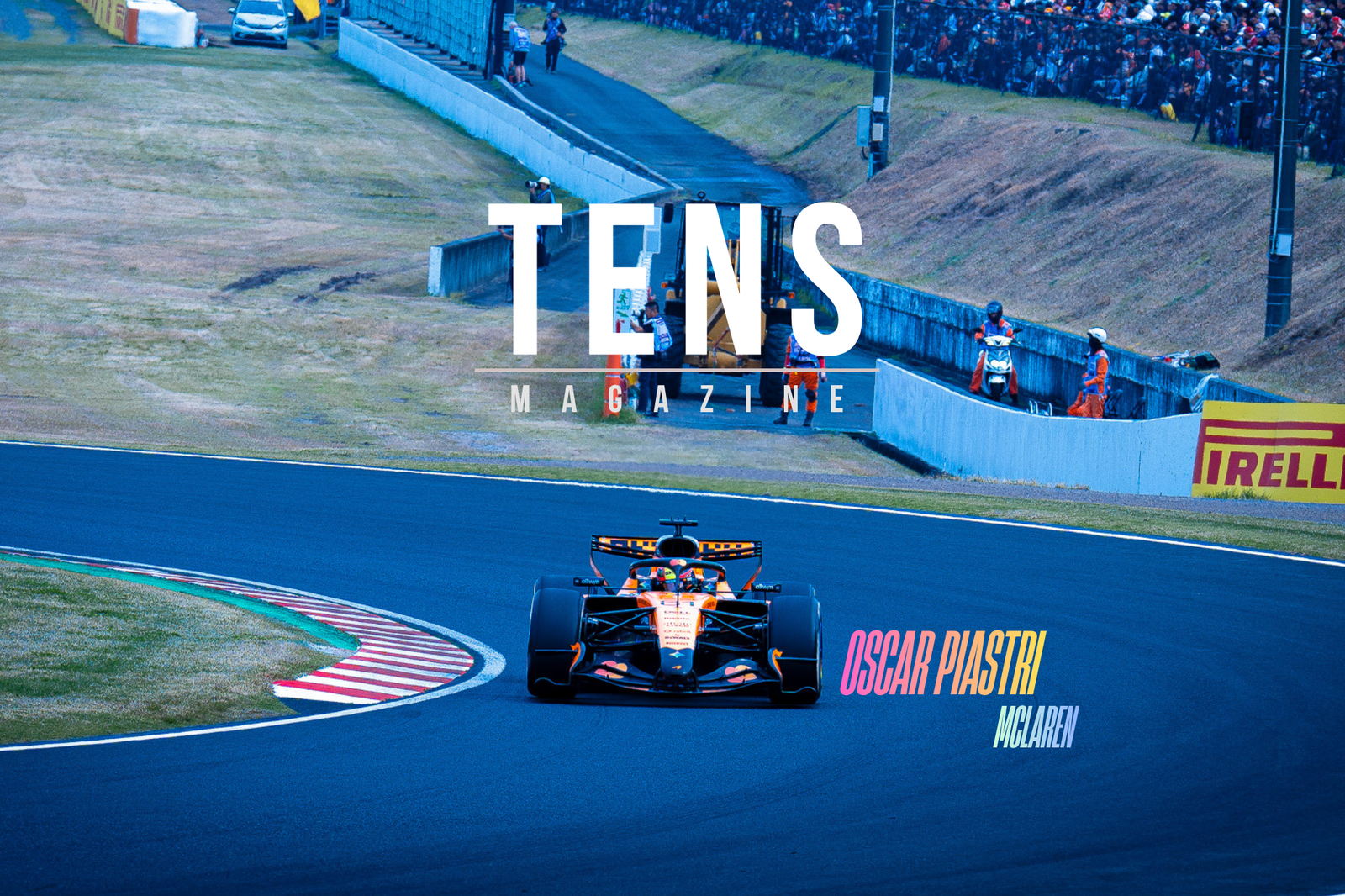
The decision to amend the rulebook just weeks into the 2026 season follows extensive consultations between the governing body, technical delegates, and the drivers. Discussions were heavily driven by telemetry data gathered during the opening three rounds of the championship: the Australian Grand Prix, the Chinese Grand Prix, and the Japanese Grand Prix. A primary catalyst for the emergency review was a severe accident involving Oliver Bearman and Franco Colapinto at Suzuka. The incident highlighted critical safety concerns regarding the extreme speed differentials generated when one car is actively harvesting electrical energy while a following car is deploying full hybrid power.
To address the intense scrutiny surrounding battery tactics and to discourage excessive lift-and-coast driving, the FIA has introduced significant adjustments to the energy management parameters. During qualifying sessions, the maximum permitted energy recharge has been reduced from 8MJ to 7MJ. This reduction is specifically designed to minimize excessive energy harvesting and encourage more consistent, flat-out driving from the competitors. Furthermore, the peak superclip power has been substantially increased from 250 kW to 350 kW. By elevating the power output, the regulations target a reduced maximum superclip duration of approximately two to four seconds per lap. This adjustment is intended to decrease the total time drivers spend recharging their systems, thereby reducing the overall driver workload related to energy management in the cockpit. These elevated energy output parameters will also be applied during standard race conditions. Additionally, the number of events where alternative, lower energy limits may be enforced has been expanded from eight to twelve races, granting the FIA greater flexibility to adapt the hybrid requirements to specific circuit characteristics.
In response to the safety concerns raised by the drivers, Sunday race conditions will see a strict overhaul of the power deployment systems. The maximum power available through the deployment boost during a race is now strictly capped at +150 kW, or the car’s current power level at the moment of activation if that figure is higher. This cap is a direct measure to limit the sudden, unpredictable performance differentials that contributed to the incident at the Japanese Grand Prix. Meanwhile, standard MGU-K deployment will be maintained at 350 kW in key acceleration zones.
To further mitigate the risks associated with speed differentials, the FIA is mandating the introduction of an associated visual warning system. Cars that are actively harvesting energy or traveling at significantly reduced speeds will now activate flashing rear and lateral lights to provide immediate alerts to following drivers. Furthermore, a technical directive has been issued to mandate a reset of the energy counter at the start of the formation lap, correcting a previously identified system inconsistency that affected energy deployment strategies at the race start.
The regulatory refinements also extend to wet weather running, an area that has seen continuous development in recent years. Following direct feedback from the grid, the FIA has authorized an increase in the permitted tyre blanket temperatures for intermediate tyres. This change is designed to improve initial mechanical grip and overall tyre performance when cars exit the pit lane in damp conditions. Additionally, maximum Energy Recovery System (ERS) deployment will be artificially reduced during wet sessions. This limitation aims to restrict sudden torque spikes, thereby improving car control and reducing the likelihood of wheelspin in low-grip environments. Finally, the rear light systems on the cars have been simplified to provide clearer, more consistent visual cues, improving visibility and reaction times for trailing drivers amidst heavy spray.
The collaborative effort between the FIA, the teams, the Original Equipment Manufacturers (OEMs), and FOM underscores a proactive approach to the new era of Formula 1. By addressing the unintended consequences of the initial 2026 regulations early in the season, the sport’s governing body aims to stabilize the competitive order, prioritize driver safety, and ensure that the hybrid power units deliver the intended racing spectacle without compromising the fundamental integrity of the championship.