By Tens Magazine Editorial Staff
November 6, 2025
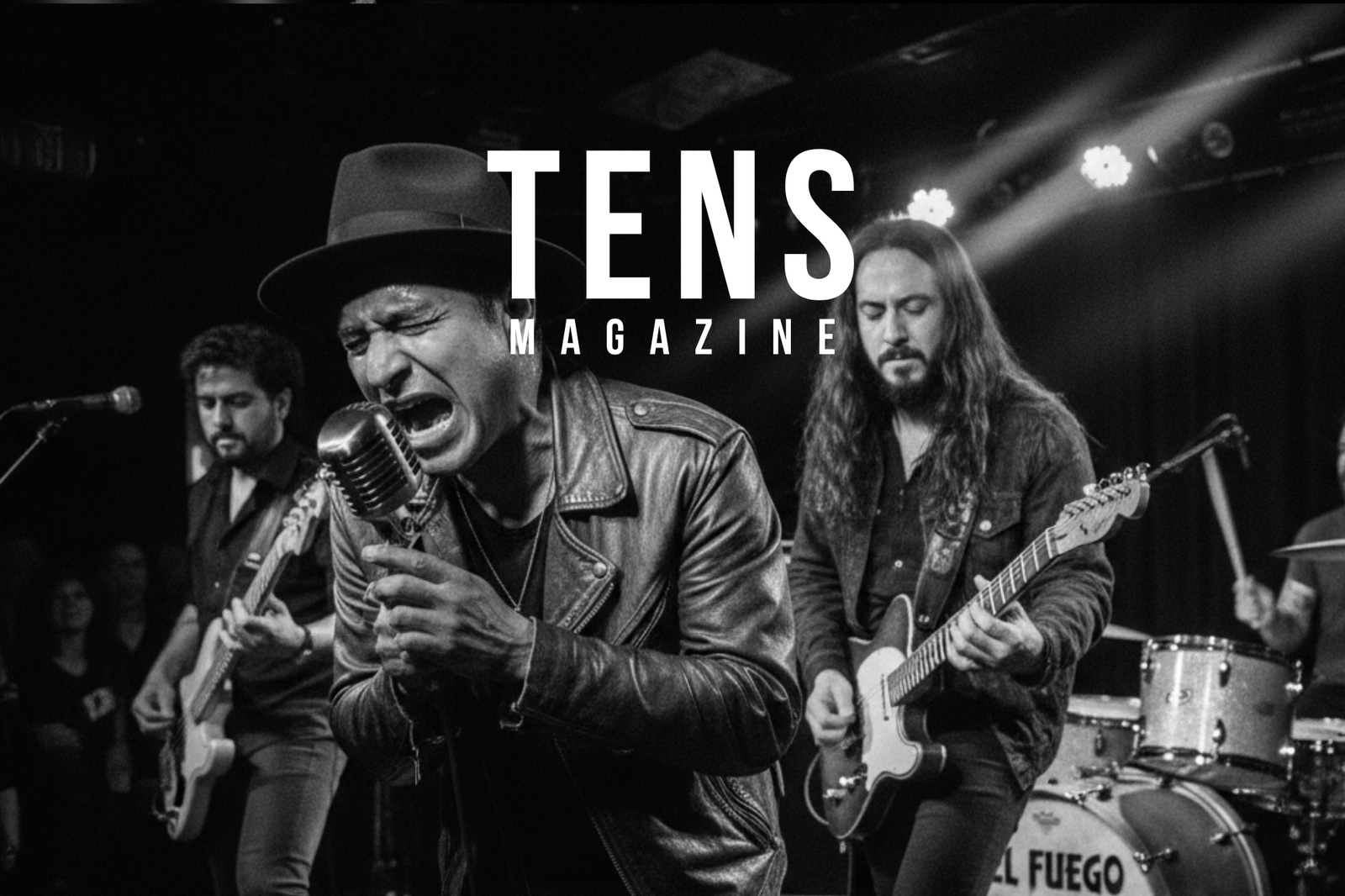
The live music economy stayed hot in early November as festival organizers reported pre-sale sellouts weeks earlier than expected. Crowds are locking in tickets sooner, driven by a combination of social media hype cycles and the fear of missing out on multi-artist packages. In many cities, the most desirable campsites and VIP tiers are disappearing first, a sign that fans are willing to spend more for logistics and comfort.
In North America and Europe, multi-genre festivals continue to dominate, but boutique events have become a crucial growth story. Smaller festivals are offering high-touch experiences—curated food and beverage, dedicated quiet zones and wellness areas, and upgraded transport planning—to encourage repeat attendance and better on-site satisfaction scores. The emphasis is shifting from pure spectacle to a full weekend experience that feels safe, stylish, and shareable.
Promoters say the trend is forcing them to plan lineups differently, with more collaborative performances and theme-driven programming. Hybrid formats are also gaining traction: fans can buy tickets that bundle livestream access, exclusive merchandise, or meet-and-greet add-ons, turning a weekend event into a full media moment. This model helps artists reach global audiences without adding tour stops, and it creates new sponsorship inventory for brands targeting music lifestyles.
The economics behind the surge are complex. Ticket prices have risen across most markets, yet consumers are still spending because travel budgets are being reallocated away from other discretionary categories. Organizers are responding by expanding VIP tiers while introducing more transparent pricing to reduce sticker shock. Secondary-market demand remains high, which further signals that festivals are treated like once-a-year anchor events.
Security and sustainability remain key priorities heading into 2026. Festival management teams are investing in crowd modeling technology, better staff training, and community partnerships to meet regulatory expectations and build trust with host cities. With the 2026 festival calendar filling up earlier than ever, fans who want prime experiences should assume the new normal is planning months in advance.