By The TENS Magazine Editorial Staff
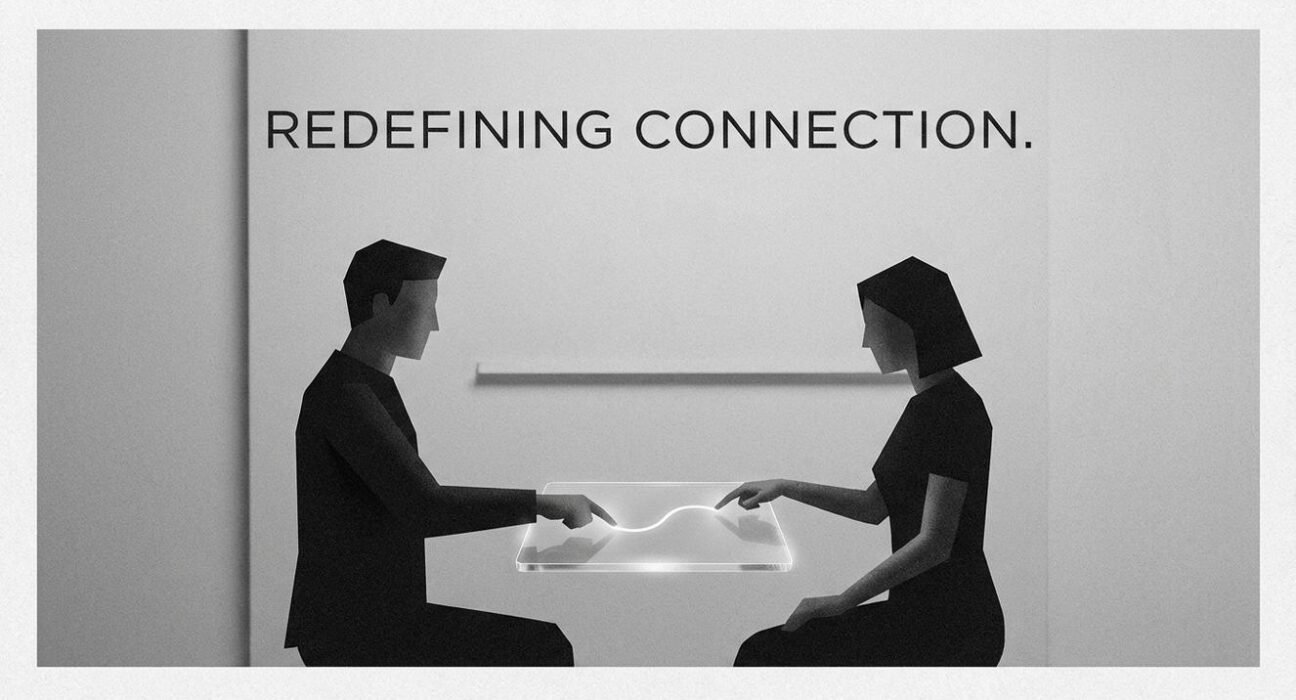
The landscape of human connection in the United States is undergoing a profound transformation. Driven by the normalization of remote work, the ubiquity of digital dating platforms, and shifting cultural milestones, Americans are fundamentally altering how they form and maintain relationships. While modern technology offers unprecedented avenues for meeting others, public health data indicates a simultaneous rise in social isolation, prompting experts to reevaluate the health of the nation’s social fabric.
At the forefront of this shift is a growing public health concern regarding social disconnection. In 2023, U.S. Surgeon General Dr. Vivek Murthy issued an advisory declaring loneliness and isolation a public health crisis. According to the report, approximately half of U.S. adults experience measurable levels of loneliness. The physical consequences of this isolation are severe; the Surgeon General’s advisory noted that lacking social connection can increase the risk of premature death to a degree comparable to smoking up to 15 cigarettes a day. Furthermore, this epidemic disproportionately affects younger demographics. A 2024 survey conducted by researchers at Harvard’s Making Caring Common project found that 29% of adults aged 30 to 44 and 24% of those aged 18 to 29 reported feeling frequently or always lonely, compared to just 10% of adults aged 65 and older.
The transition to remote and hybrid work environments has played a significant role in reshaping daily social interactions. While many employees value the flexibility of working from home, the physical distance from colleagues has introduced new interpersonal challenges. A May 2025 report by Gallup revealed that fully remote workers are more likely to report experiencing anger, sadness, and loneliness than their hybrid and on-site counterparts. The absence of casual workplace interactions appears to be taking a toll on social confidence. A late 2024 survey by Resume Builder found that one in four remote workers reported a decline in their social skills since transitioning to fully remote work, with 20% stating they now feel more anxious in social situations. Additionally, a 2024 KPMG survey highlighted that 30% of remote workers find it difficult to make friends at work, compared to only 16% of hybrid or in-office employees.
As workplace socialization decreases, Americans are increasingly turning to digital platforms to forge romantic connections. According to a Pew Research Center study, 30% of U.S. adults have used a dating site or app, a figure that jumps to 53% for adults under the age of 30. The impact of these platforms on long-term relationship formation is substantial. The same Pew study found that 10% of all partnered adults, and 20% of partnered adults aged 18 to 29, met their current spouse or partner through an online dating platform. However, the digital search for romance yields mixed results. While 53% of online dating users reported their overall experiences as at least somewhat positive, 46% described their experiences as negative. Safety and harassment remain prominent issues, with 52% of users believing they have encountered a scammer and 38% reporting they have received unsolicited sexually explicit messages.
Alongside changes in how couples meet, the timeline for traditional relationship milestones has shifted significantly. Economic pressures, the pursuit of higher education, and changing cultural norms have led Americans to delay marriage longer than in previous generations. According to analyses of U.S. Census Bureau data, the median age at first marriage in 2024 reached 30.8 years for men and 28.8 years for women. This represents a steady increase over the last several decades; by comparison, in 1956, the average age of newlyweds was 22.5 for men and 20.1 for women. The data also reveals regional variations, with the median age at first marriage skewing higher in Northeastern states like Massachusetts and Connecticut, and lower in states like Utah and Arkansas.
The intersection of these trends paints a complex picture of modern relationships. As digital platforms become the primary facilitators of romance and remote work redefines professional interaction, the traditional avenues for organic connection are narrowing. While these modern lifestyles offer flexibility and broader dating pools, the concurrent rise in loneliness suggests a growing need for intentional community building. Public health officials and sociologists continue to monitor these shifts, emphasizing that while the methods of connection are evolving, the fundamental human need for community and companionship remains unchanged.