By The TENS Magazine Editorial Staff
Formula 1 has produced a calendar solution that sounds like a punch line but is, in fact, a serious piece of sporting diplomacy: the 2026 Bahrain Grand Prix is set to be raced in Malaysia.
On July 26, Formula 1 and the FIA announced that Sepang International Circuit will host the Formula 1 Gulf Air Bahrain Grand Prix from October 2–4, placing it between the Azerbaijan and Singapore Grands Prix. The agreement involves Formula 1, the FIA and the governments of Bahrain and Malaysia, and it preserves an event that otherwise would not have happened this season.
There is one important qualifier. The announcement says the event remains subject to final agreements, official sign-off and approval by the FIA World Motor Sport Council. That makes this confirmed planning rather than an unconditional guarantee. But the intent is clear: Formula 1 is preparing to return to Sepang for the first time since 2017, while Bahrain retains the identity of the displaced race.
Why the name is stranger than the venue
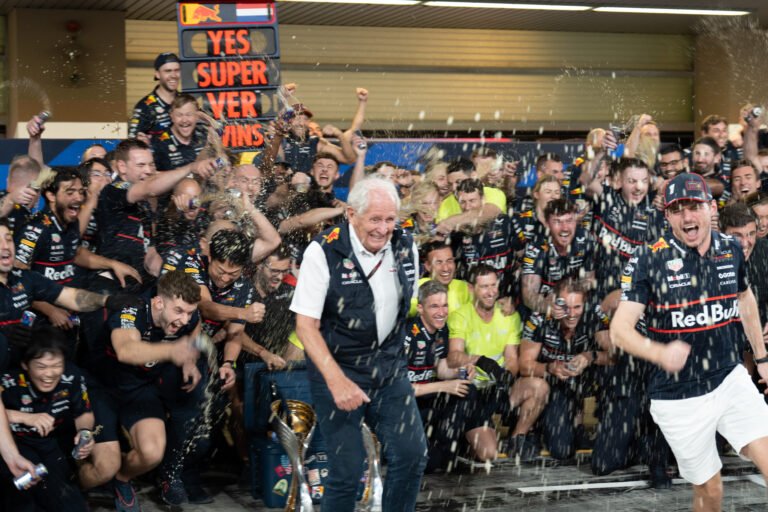
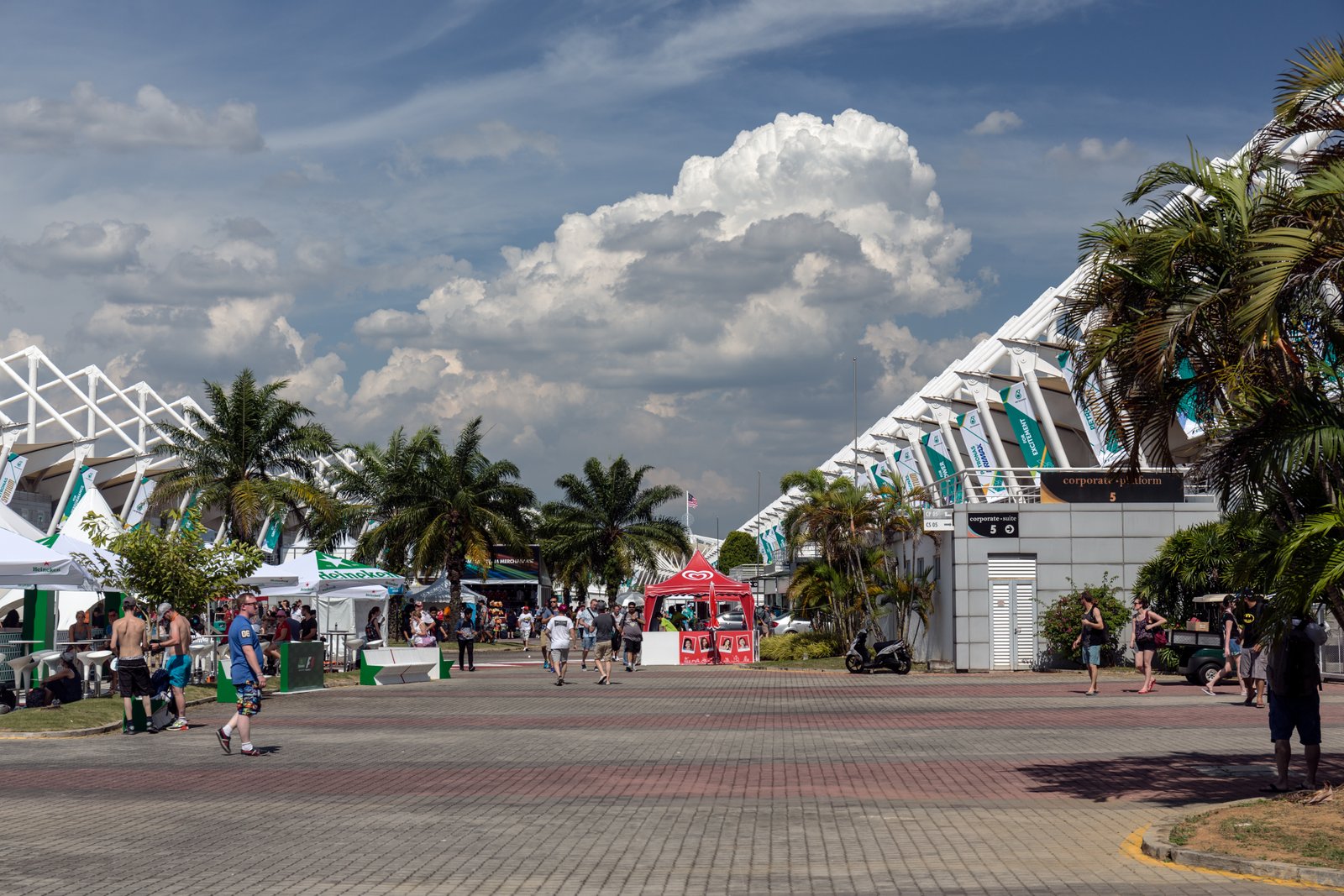
Sepang hosting a Grand Prix is not the unusual part. The circuit made its Formula 1 debut in 1999 and spent nearly two decades on the calendar. Its broad straights, quick changes of direction and tropical weather created races that could punish weak cooling, uncertain tyre calls and hesitant strategy. Max Verstappen won the final Malaysian Grand Prix there in 2017.
The oddity is the title. Malaysia is not simply replacing Bahrain with a Malaysian Grand Prix; it is hosting the Bahrain Grand Prix in Malaysia. That arrangement protects the commercial and diplomatic continuity of Bahrain’s event while giving Formula 1 a workable physical venue after the original April race could not take place.
The FIA said in March that the scheduled Bahrain and Saudi Arabian rounds would not run in April because of the regional security situation, stressing that safety and wellbeing came first. The new Sepang plan keeps that principle intact. It does not ask the paddock to return to a venue deemed unsuitable for the original date. Instead, it relocates the race through cooperation among promoters, governments and the championship.
Formula 1 has played the naming game before
The badge may feel unprecedented, yet Formula 1 history is full of Grands Prix whose names and locations did not line up neatly. Motorsport.com’s historical review notes that the San Marino Grand Prix was held at Imola in Italy, the Luxembourg Grand Prix ran at the Nürburgring in Germany, and the 1982 Swiss Grand Prix took place at Dijon in France. Baku’s first Formula 1 race, meanwhile, carried the European Grand Prix name.
Those precedents were mostly products of crowded national calendars, legal restrictions or branding convenience. The Bahrain-in-Malaysia arrangement is different because it responds to a live geopolitical and logistical problem. Still, the lesson is familiar: a Grand Prix name has never been a perfect map coordinate. It can also represent a promoter, a contract and a place in the championship’s commercial structure.
Sepang is the logical emergency answer
For all the eccentric branding, the choice of circuit is practical. Sepang sits beside Kuala Lumpur International Airport, has experience staging major international events and fits into the calendar’s eastward movement. The October 2–4 weekend comes after Azerbaijan and before nearby Singapore, leaving the rest of the 2026 schedule unchanged.
That does not make the operation easy. Three consecutive race weekends create an intense freight and staffing load, while Sepang’s heat and sudden rain can turn preparation into improvisation. Teams will also be returning to a circuit absent from Formula 1 for nine seasons, with current cars, tyres and operational routines that have never raced there.
From a competitive perspective, any prediction must remain analysis. Sepang’s long straights and fast corners should reward aerodynamic efficiency, but the championship’s current pecking order could shift before October as teams develop their cars. Weather is another major assumption: a dry race and a tropical downpour would ask completely different questions. The safest forecast is not which driver will win, but that adaptability will matter more than old Sepang form.
A one-off rescue with a larger meaning
This should not yet be mistaken for a permanent Malaysian Grand Prix revival. The official statement concerns one 2026 event, and final approvals remain outstanding. Ticket information is also still to come.
Even so, the move matters beyond one weekend. It shows Formula 1 willing to preserve a partnership without pretending that geography and security have not changed. Bahrain keeps its Grand Prix identity, Malaysia gets an unexpected return to the world championship, and fans recover a modern classic circuit.
The name will look peculiar on the timing screens. The racing venue will not. If the remaining approvals arrive, the 2026 Bahrain Grand Prix in Malaysia may become the season’s strangest title—and one of its most sensible decisions.
Sources: Formula 1 and FIA announcement, July 26, 2026; FIA statement on the April calendar change, March 14, 2026; Motorsport.com historical analysis, July 28, 2026.