Indianapolis enters Sunday night at Kansas City with a specific defensive change to evaluate: linebacker Akeem Davis-Gaither is taking over the communication duties previously handled by safety Cam Bynum. The Colts’ September 18 preview described the move as their response to alignment problems in the opening loss to Baltimore. The decision is confirmed. Its effectiveness still has to be demonstrated.
The useful question for this matchup is how much of a defensive possession that change can improve. TENS Magazine’s analysis separates three tasks: getting the call distributed, occupying the right space and completing the play. Moving the communication responsibility addresses the first task directly. The Chiefs’ running game makes the distinction between all three especially important.
Measure the handoff before the outcome
Bynum’s explanation, published by the Colts on September 17, provides the practical basis for the adjustment. Playing deep made it difficult to receive a call, relay it and return to his position in time. With Davis-Gaither communicating from the middle of the defense, Bynum said he could concentrate on coordinating the secondary.
That is a redistribution of work among players, with different responsibilities at the front and back of the formation. It should be evaluated as such. A defense that gets set promptly has gained preparation time; it has not yet won a matchup. Conversely, allowing a gain after everyone is properly aligned would not automatically establish that the new communication arrangement failed.
This matters for judging the people involved. The location from which Bynum was asked to communicate was part of the problem identified in the team’s reporting. Assigning the role elsewhere does not, by itself, tell us that his coverage has deteriorated or that Davis-Gaither will solve every defensive error. Those would require different evidence.
More defenders do not explain every rushing yard
Kansas City’s September 19 preview reported 220 rushing yards against Denver, including 173 from Kenneth Walker. It also reported that Indianapolis allowed Baltimore 202 rushing yards, with 99 coming against boxes containing at least eight defenders. Those figures establish why run defense belongs near the center of Sunday’s evaluation.
Dividing 99 by 202 shows that approximately 49 percent of Baltimore’s rushing yardage came against those heavier boxes. That is a share of yards, not a measure of how frequently Indianapolis used that alignment. Without the corresponding attempt counts, it cannot establish yards per carry against each defensive look or prove that adding defenders made the results worse.
The distinction prevents a tempting shortcut: treating the number of bodies near the line as a complete explanation for the outcome. Defensive positioning, assignment execution and tackling can produce different results from the same head count. The published totals support asking what happened within those alignments, but they do not identify the responsible player on any particular snap.
Friday’s Colts preview also emphasized tackling, relaying Shane Steichen’s concern about bringing Walker down and executing run fits. That concern sits downstream from the communication change. A correctly received call can put a defender in position to attempt a tackle; completing it remains another action. Sunday can therefore reveal progress in organization alongside unresolved problems finishing plays.
The offense belongs in the assessment, too
Indianapolis’s September 17 offensive report identified early-down efficiency as a priority for Steichen and quarterback Daniel Jones. Its directly attributed comments stressed avoiding long-yardage situations. That supplies a second part of the matchup beyond the new defensive communicator: the Colts must assess how their own possessions develop.
The two problems interact without becoming interchangeable. An offense that repeatedly faces long yardage may have fewer comfortable choices for sustaining a drive. A defense that struggles to get aligned has a preparation problem before its own snap. Improving one phase can help the team’s overall position, but it cannot demonstrate that the other phase has corrected its assignments.
For that reason, the final score alone will be too blunt a verdict on the communication decision. A better review starts with whether Indianapolis is ready at the snap, then considers whether defenders maintain their responsibilities and finish tackles. Separately, it asks whether the offense avoids creating difficult down-and-distance situations for itself.
These are evaluation questions, not a forecast of Sunday’s result. The available reports explain what the Colts intend to change and what Kansas City demonstrated in its opener. They do not establish how often either pattern will recur. Indianapolis has made a defined operational adjustment; the next meaningful evidence is whether that adjustment gives its players a better opportunity to execute, and what they do with it.
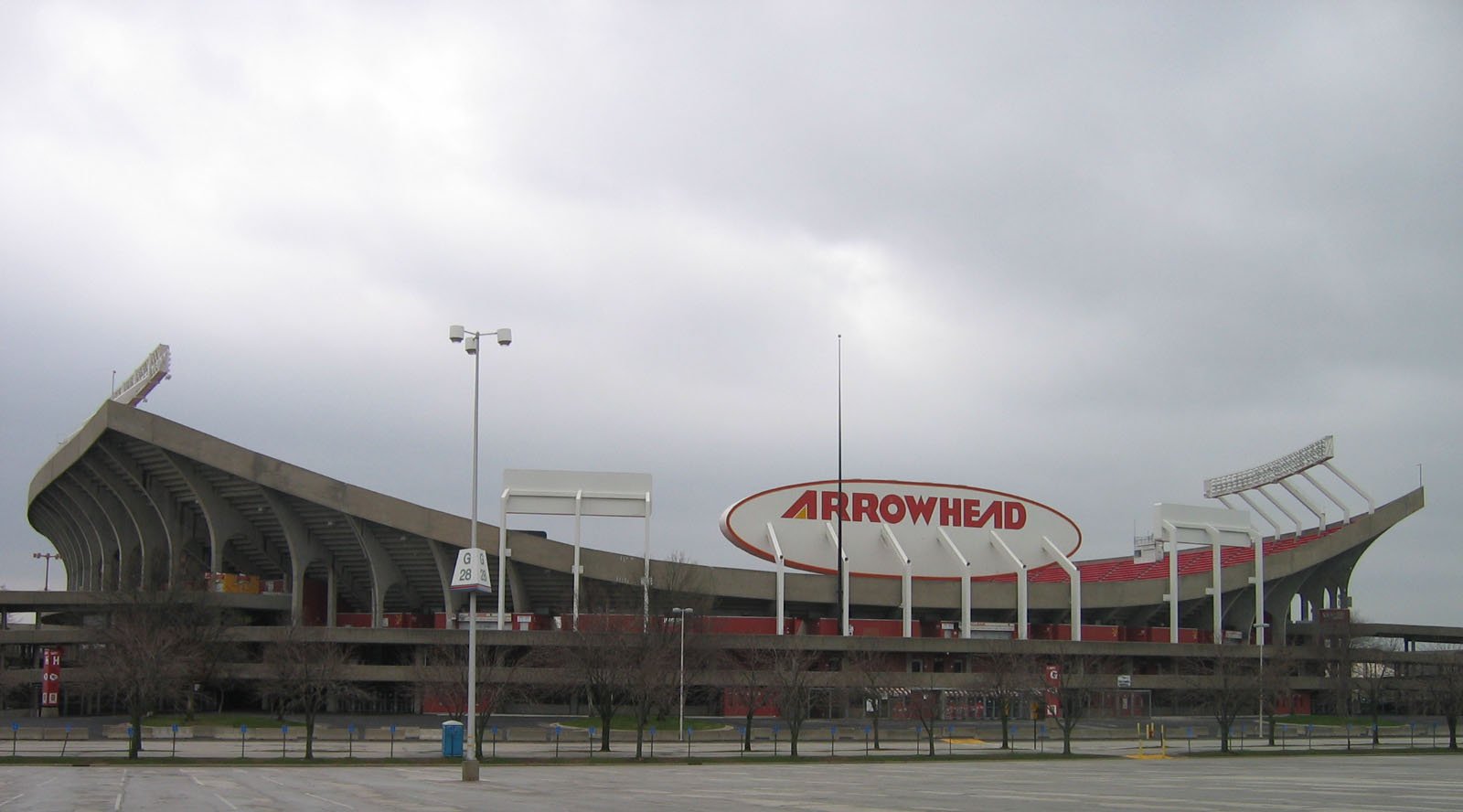
Image credit: Greenstrat via Wikimedia Commons. Public domain. Unmodified archive photograph of Arrowhead Stadium from 2007; not a photograph of the September 2026 game.