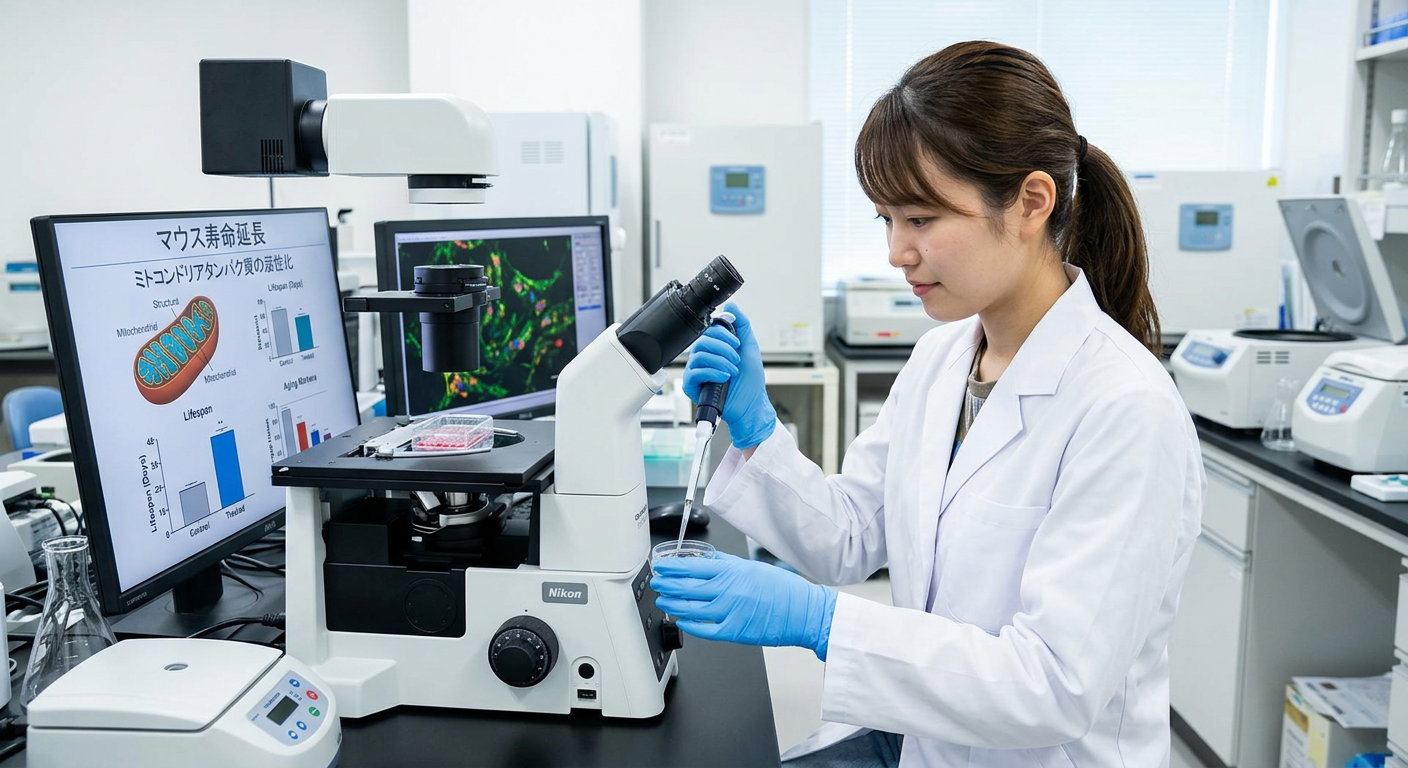
1. Research Origin and Academic Leadership The groundbreaking study was conducted by a team of scientists at Osaka Metropolitan University in Japan, specifically within the Department of Metabolism and Endocrinology. Led by Associate Professor Eriko Kageyama and Professor Takumi Kawabe, the research group focused on the molecular mechanisms that dictate lifespan and healthspan. Their primary objective was to investigate how specific cellular components deteriorate over time and whether genetic interventions could halt or reverse these processes. The findings represent a significant contribution to the field of gerontology, offering new insights into how biological aging might be manipulated at the cellular level.
2. Identification of the Key Protein The core of the research centers on a specific mitochondrial protein known as C1qbp, which stands for Complement component 1 Q subcomponent-binding protein. While this protein is known to play a role in inflammation and infection response, the Japanese team identified its critical function within the mitochondria, the energy-producing powerhouses of the cell. They discovered that C1qbp is essential for maintaining mitochondrial structure and function. The study highlights that the levels of this specific protein naturally decline as an organism ages, suggesting a direct correlation between C1qbp deficiency and the onset of age-related physiological decline.
3. Methodology and Genetic Modification To understand the impact of C1qbp, the researchers utilized genetically modified mice. They created two distinct experimental groups to observe the effects of the protein on longevity. One group was engineered to have reduced levels of C1qbp, simulating the natural depletion that occurs during aging. The second group was genetically altered to overexpress the protein, maintaining high levels of C1qbp throughout their lives. This comparative approach allowed the scientists to isolate the protein’s specific influence on lifespan and organ health, removing environmental variables that often complicate aging studies.
4. Extension of Lifespan Results The results of the study demonstrated a clear link between the mitochondrial protein and longevity. The mice that were genetically engineered to overexpress C1qbp lived significantly longer than the control group and the C1qbp-deficient group. The data indicated that maintaining youthful levels of this protein effectively extended the median lifespan of the mice. This extension was not marginal; the statistical analysis showed a robust increase in survival rates for both male and female subjects, providing compelling evidence that mitochondrial integrity is a primary determinant of how long an organism survives.
5. Reduction of Cellular Senescence A major finding of the research was the protein’s ability to suppress cellular senescence. Senescence refers to a state where cells cease to divide and begin to secrete harmful inflammatory chemicals, often referred to as the “senescence-associated secretory phenotype” (SASP). These “zombie cells” accumulate with age and damage surrounding healthy tissue. The study found that mice with boosted C1qbp levels exhibited a marked reduction in senescent cells. By maintaining mitochondrial health, the protein appears to prevent cells from entering this destructive state, thereby preserving tissue function and reducing systemic inflammation.
6. Protection of Vital Organs Beyond simple lifespan extension, the study emphasized the preservation of organ health, particularly in the heart and lungs. In the mice with reduced C1qbp, the researchers observed accelerated signs of aging, including cardiac dysfunction and lung fibrosis. Conversely, the mice with elevated protein levels maintained healthier heart tissue and lung elasticity well into old age. This suggests that therapies targeting mitochondrial proteins could be particularly effective in preventing age-related organ failure, which remains a leading cause of mortality in elderly populations.
7. Mechanism of Mitochondrial Metabolism The researchers elucidated the mechanism by which C1qbp exerts its protective effects. The protein regulates mitochondrial metabolism, ensuring the efficient production of adenosine triphosphate (ATP), the energy currency of the cell. Furthermore, it helps mitigate oxidative stress, a process where unstable molecules damage DNA and other cellular structures. By stabilizing mitochondrial metabolism, C1qbp prevents the accumulation of reactive oxygen species (ROS), which are major contributors to the aging process. This metabolic stability is crucial for high-energy organs like the heart and brain.
8. Correlation with Human Aging While the study was conducted on mice, the researchers drew important parallels to human biology. Human beings also possess the C1qbp protein, and similar to the murine models, expression of this gene tends to decrease with age in humans. The decline is often observed in individuals suffering from age-related metabolic disorders and heart failure. This cross-species similarity suggests that the biological pathways identified in the mouse model are conserved in humans, indicating a high potential for translational medicine and the relevance of these findings to human health.
9. Potential for Therapeutic Development The findings open new avenues for the development of anti-aging pharmaceuticals. Currently, there are no approved drugs that specifically target C1qbp to extend lifespan. However, this research provides a validated target for drug discovery. Scientists can now focus on developing compounds that mimic the action of C1qbp or stimulate its production within the body. Such therapies would aim not just to prolong life, but to extend “healthspan”—the period of life spent in good health—by preventing the onset of frailty and chronic diseases associated with mitochondrial dysfunction.
10. Future Research and Clinical Validation The publication of these findings in a reputable scientific journal marks the beginning of a new phase of investigation. The research team at Osaka Metropolitan University plans to continue their work by exploring the safety and efficacy of chemically upregulating C1qbp. Future steps will likely involve more complex animal models and eventually human clinical trials. The scientific community will be watching closely to see if the dramatic benefits observed in mice can be safely replicated in humans, potentially revolutionizing the approach to geriatric medicine and longevity science.