All Photo Credit: Sir Daniel David (@SirDanJets)
By Lekha Ravi
MONACO – The 2026 Monaco Grand Prix may be over, but the conversations it sparked continue long after the checkered flag.
Every year, after Monaco, the same images flood social media.
Superyachts.
Celebrity-filled terraces.
Luxury activations.
Hospitality suites.
Private dinners.
Exclusive events.
And every year, I find myself thinking the same thing:
Most people think Formula 1 is about racing.
I don’t.
Not anymore.
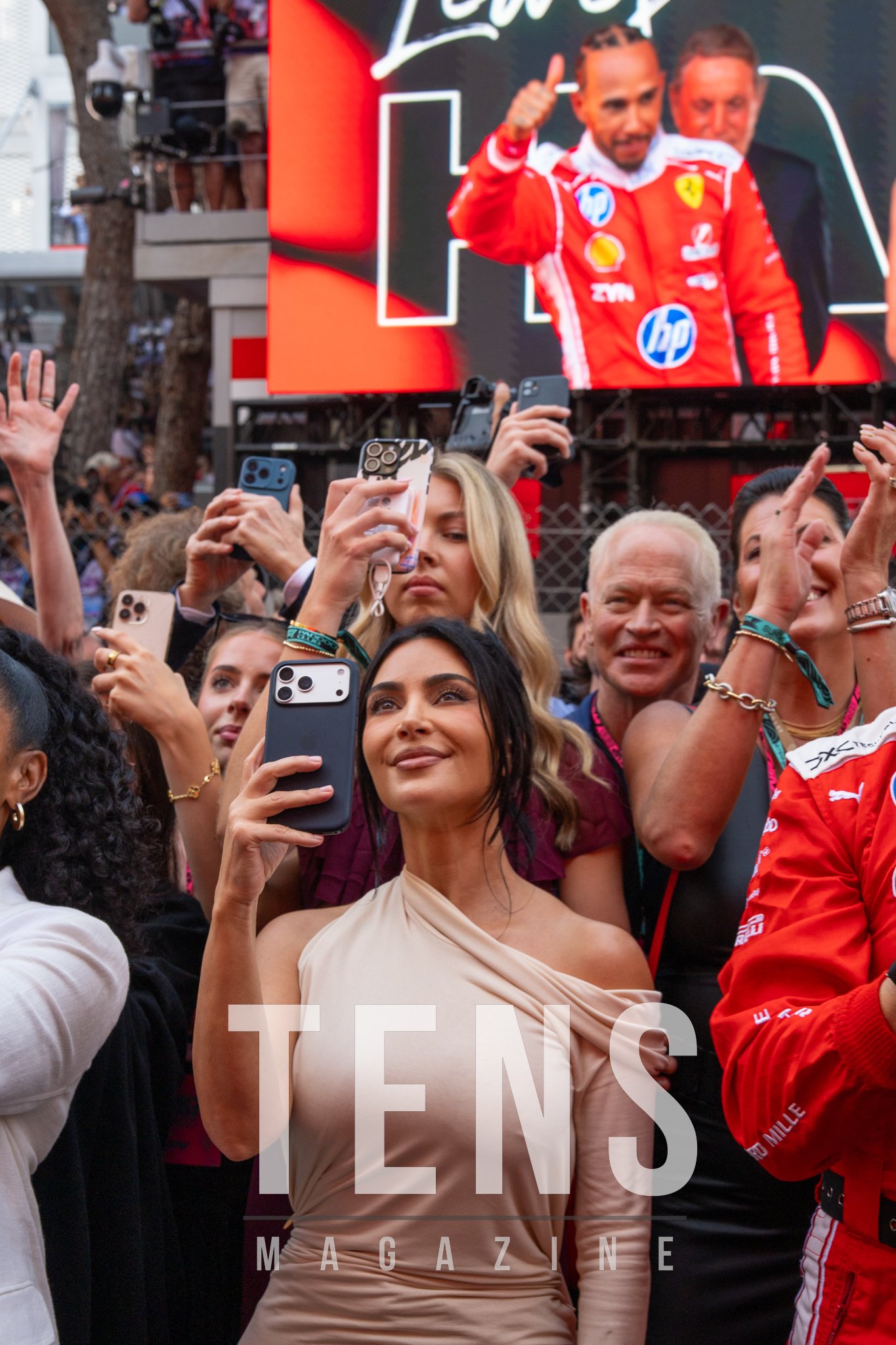
After spending time covering Formula 1 events over the years, what fascinated me wasn’t just what was happening on the track.
It was everything happening around it.
Because Formula 1 has quietly become one of the most interesting ecosystems in the world.
A place where luxury, hospitality, entertainment, wellness, media, business, technology, and culture all collide at the same time.
The race is still the reason people arrive.
But increasingly, it’s not the only reason they’re there.
The First Thing That Surprised Me
The first time I attended the Miami Grand Prix, I expected to spend most of my time focused on the racing.
Instead, I found myself fascinated by the environment surrounding it.
One moment you’re walking through a wellness activation overlooking the circuit.
The next you’re watching luxury brands entertain clients.
A few hours later, you’re hearing about partnerships being discussed over dinner.
Everywhere you look, people are meeting, hosting, creating, investing, networking, and building relationships.
The race sits at the center of it all.
But an entire economy has formed around it.
And once you notice it, it’s impossible to unsee.
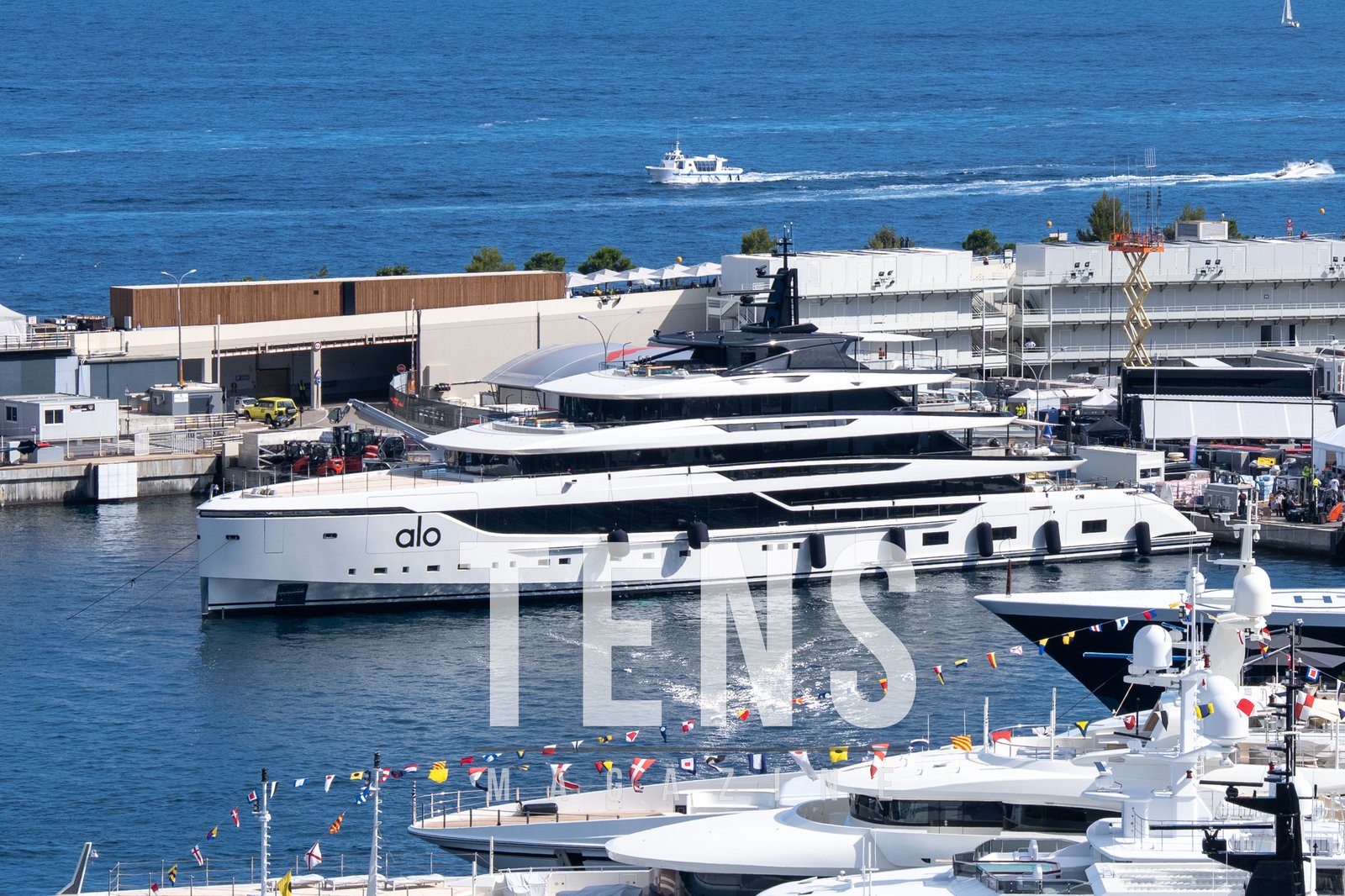
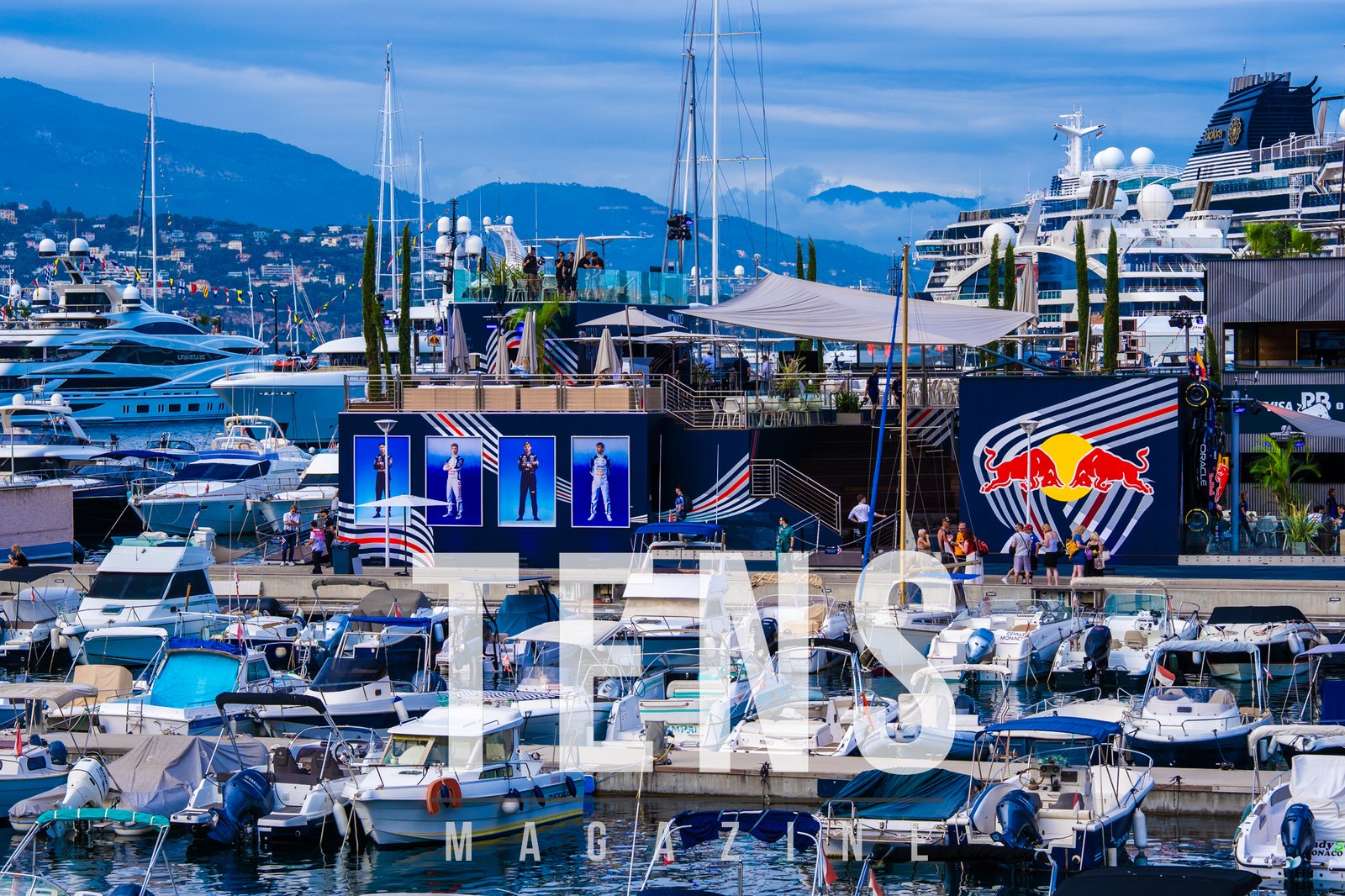
Covering Monaco from behind the lens only reinforced that feeling. Some of the biggest stories weren’t unfolding inside the paddock—they were happening aboard yachts in Port Hercule, inside private hospitality spaces, at luxury hotels, and during brand experiences spread throughout the Principality.
Formula 1 Doesn’t Just Visit Cities
One of the things I find most interesting is how Formula 1 amplifies whatever a city already is.
Monaco feels like inherited luxury.
The yachts.
The harbor.
The history.
The feeling that somehow everyone who matters has ended up in the same tiny corner of the world.
It doesn’t try to impress you.
It already knows what it is.
Miami feels different.
Miami feels like ambition.
Everything is bigger.
Louder.
More visible.
Restaurants transform into destinations.
Brands compete to create the activation everyone talks about on Monday morning.
Hospitality becomes theater.
Las Vegas turns Formula 1 into a blockbuster.
The lights.
The casinos.
The concerts.
The spectacle.
Formula 1 doesn’t change these cities.
It simply turns up the volume.
Scarcity Creates Value
Part of Formula 1’s appeal lies in its exclusivity.
There are only a limited number of Grands Prix each season.
Each race weekend brings together an extraordinary concentration of CEOs, investors, luxury brands, athletes, entertainers, creators, government leaders, and media from around the world.
That rarity creates value.
Access becomes currency.
And every city has just a few days to capitalize on the opportunity.
The Rise of Experience-Led Brands
One of the biggest shifts I’ve noticed is how brands now show up at Formula 1.
They’re not simply advertising.
They’re creating worlds.
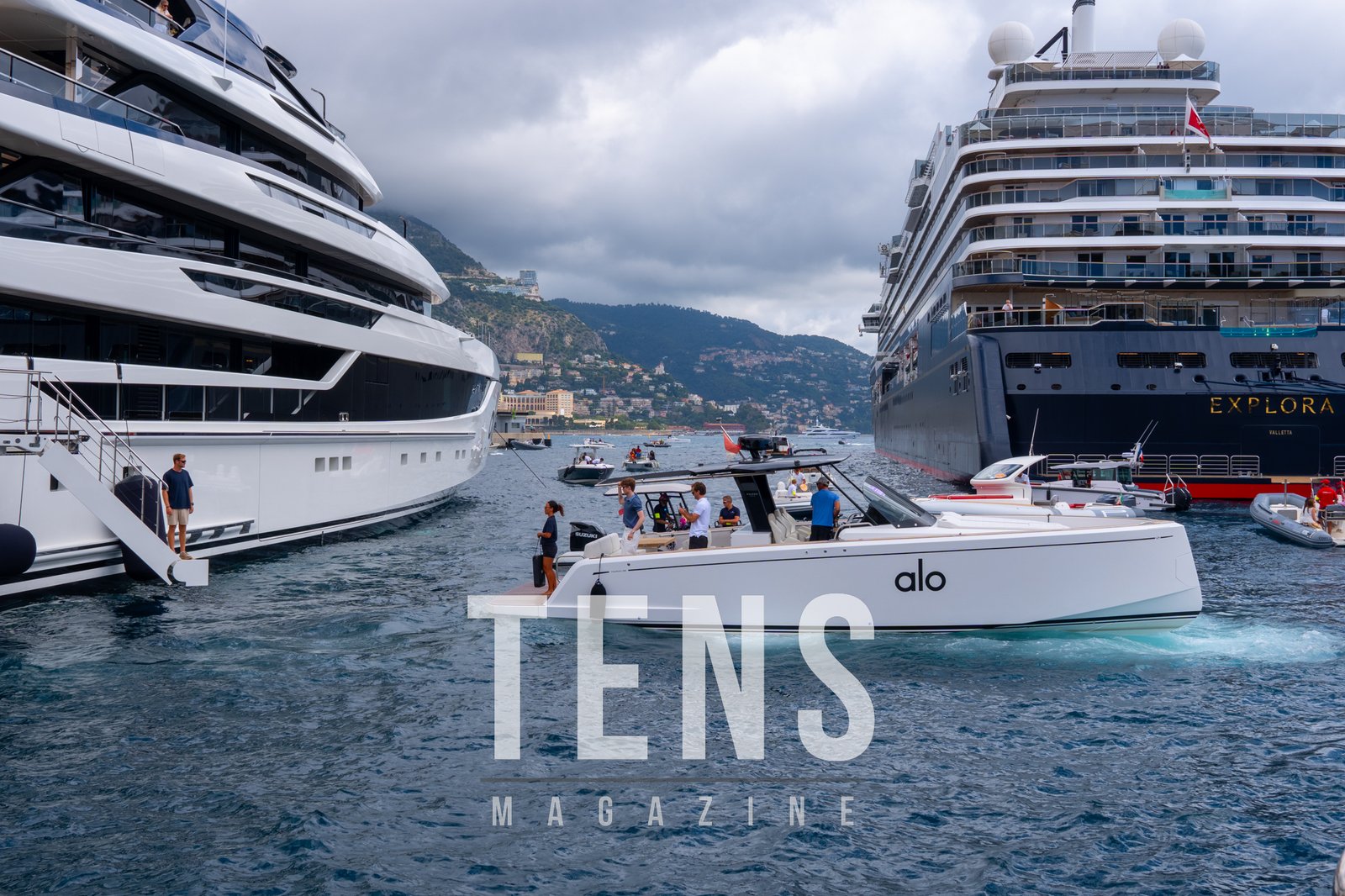
This year, Alo Yoga dropped anchor in Monaco with its own yacht.
The yacht quickly became one of the weekend’s most photographed hospitality spaces—not because it was selling clothing, but because it represented something larger.
Alo isn’t really selling activewear.
It’s selling wellness.
Community.
Travel.
Hospitality.
Experience.
The yacht is simply an extension of that world.
And Alo isn’t alone.
Luxury fashion houses.
Premium watchmakers.
Automotive partners.
Private aviation companies.
Technology firms.
Hospitality groups.
Wellness brands.
They’re all building immersive experiences rather than traditional marketing campaigns.
The strongest brands aren’t just selling products anymore.
They’re creating environments people want to belong to.
Formula 1 gives them the perfect stage to bring those worlds to life.
Access Is the Product
From the outside, Formula 1 can look like a collection of parties, yachts, celebrity appearances, and luxury experiences.
And sometimes it is.
But beneath the surface, something else is happening.
Relationships are being built.
Partnerships are being formed.
Ideas are being exchanged.
Business is getting done.
A dinner becomes a meeting.
A hospitality suite becomes a networking platform.
An activation becomes a client experience.
Access has become its own currency.
The most valuable thing changing hands during race weekend often isn’t a product.
It’s access.
Access to people.
Access to opportunities.
Access to conversations.
Access to rooms you otherwise wouldn’t be in.
The Real Business of Formula 1
Formula 1 now reaches hundreds of millions of fans worldwide while race weekends generate enormous economic activity through tourism, sponsorship, hospitality, media, and luxury experiences.
But numbers only tell part of the story.
The longer I spend around Formula 1, the less I think of it as simply a sport.
And the more I think of it as an ecosystem.
One that brings together luxury, hospitality, entertainment, wellness, media, business, technology, and culture in a way few other global events can.
The race may be why people arrive.
But increasingly, it’s everything surrounding the race that keeps them coming back.
Formula 1 still crowns a winner every Sunday.
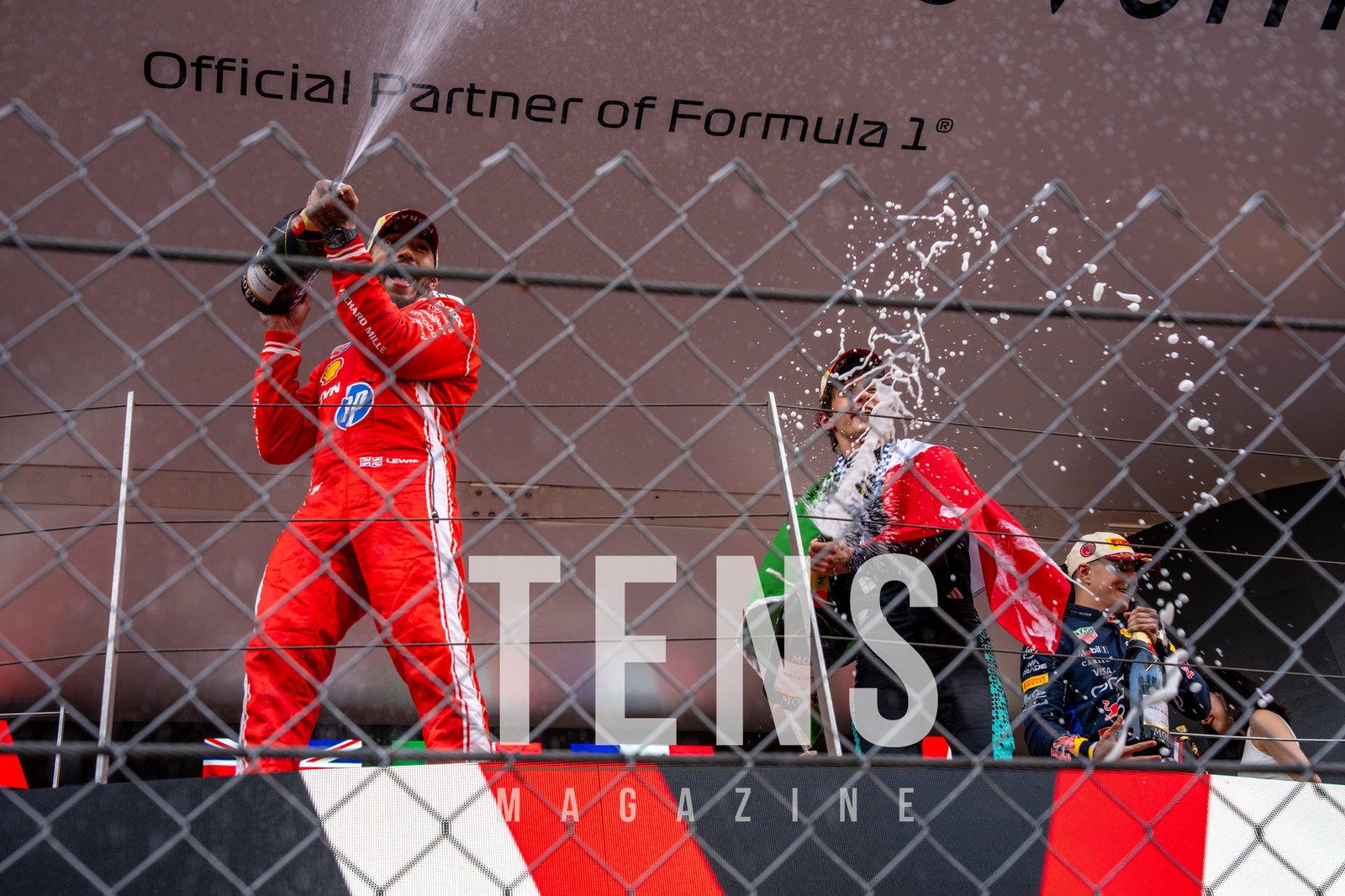
But the real story often begins long before the lights go out—and continues long after the podium celebrations end.
That’s the world that has been built around Formula 1.
And in many ways, it’s just as fascinating as the racing itself.