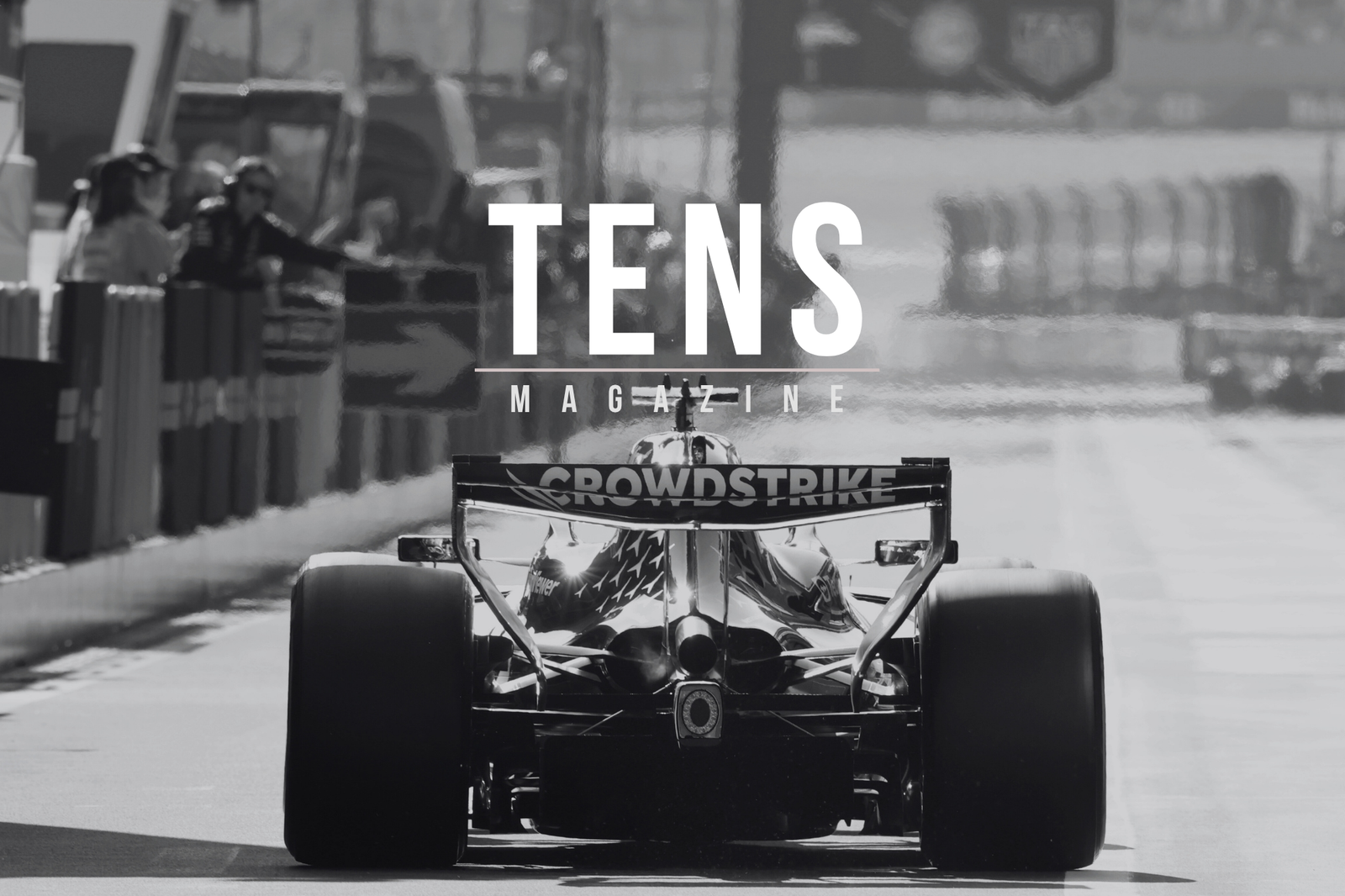
The 2026 Formula 1 World Championship heads to the iconic Suzuka International Racing Course for the Japanese Grand Prix, scheduled for March 27-29. Serving as the third round of the season, the event arrives at a critical juncture for teams still adapting to the sweeping 2026 technical regulations. With the recent cancellation of the April races, the stakes at Suzuka have been significantly amplified as teams look to secure vital championship points before an extended break.
Mercedes enters the weekend as the team to beat, having capitalized early on the new era of Formula 1. George Russell currently leads the Drivers’ Championship with 51 points, holding a narrow four-point advantage over his teammate, Kimi Antonelli. Charles Leclerc of Ferrari sits in third place, 17 points adrift of the leader. In the Constructors’ Championship, Mercedes commands the standings with 98 points, comfortably ahead of Ferrari, who trail by 31 points, and last year’s defending champions, McLaren, who currently sit 80 points behind the leaders.
The 2026 season has introduced one of the most significant regulatory overhauls in the sport’s history, fundamentally changing how the cars operate. The new generation of Formula 1 cars are shorter, narrower, and lighter, with the minimum weight reduced from 800 kilograms to 768 kilograms. The power units have also been redesigned to feature a 50-50 power split between the internal combustion engine and the electric motor, alongside the removal of the MGU-H system.
For the first time, the sport has implemented full-time active aerodynamics. The traditional Drag Reduction System (DRS) has been replaced by dynamic front and rear wings that adjust automatically. Drivers will utilize a low-drag “Straight Mode” to boost top speed on the straights and a “Corner Mode” that closes the flaps to maximize downforce and grip. Additionally, a new manual “Overtake Mode” allows drivers to deploy extra electrical power when within one second of the car ahead, adding a new layer of strategic energy management alongside the energy-harvesting “Recharge Mode”.
Suzuka, a 5.807-kilometer figure-eight circuit, will provide a rigorous test for these new aerodynamic and power delivery systems. Known for its demanding technical layout, the track features legendary sections such as the high-speed ‘S’ Curves, the Degner Curve, the Spoon bend, and the daunting 130R. The 53-lap race will challenge the drivers’ ability to manage their electrical energy deployment and harvesting around a circuit that demands precision and punishes errors.
The grid itself features several new dynamics this season. The newly formed Cadillac team, utilizing Ferrari engines, has brought veteran experience to the paddock with drivers Valtteri Bottas and Sergio Perez. Audi has officially entered the sport as a factory team, fielding Nico Hulkenberg alongside Gabriel Bortoleto. Meanwhile, Red Bull Racing has paired multi-time world champion Max Verstappen with rookie Isack Hadjar, who was promoted from the junior squad to replace Yuki Tsunoda.
The weekend schedule begins with two free practice sessions on Friday, March 27, followed by a third practice and qualifying on Saturday, March 28. The Grand Prix will commence on Sunday, March 29, at 14:00 local time (UTC+9).
Adding to the pressure of the weekend is the recent adjustment to the 2026 calendar. Formula 1 confirmed that all Grand Prix events scheduled for April—specifically the Bahrain and Saudi Arabian Grands Prix—have been canceled due to rising tensions in the Middle East. As a result, the Japanese Grand Prix will be the final race before the series relocates to the United States for the Miami Grand Prix on May 3.
With a long pause in the racing calendar looming, teams will be desperate to maximize their performance at Suzuka. The data gathered from the new cars on one of the world’s most demanding circuits will be crucial for development programs as factories prepare for the remainder of the 2026 campaign.