By Chairman John Bowdre of the Miami Dade Digital Commission
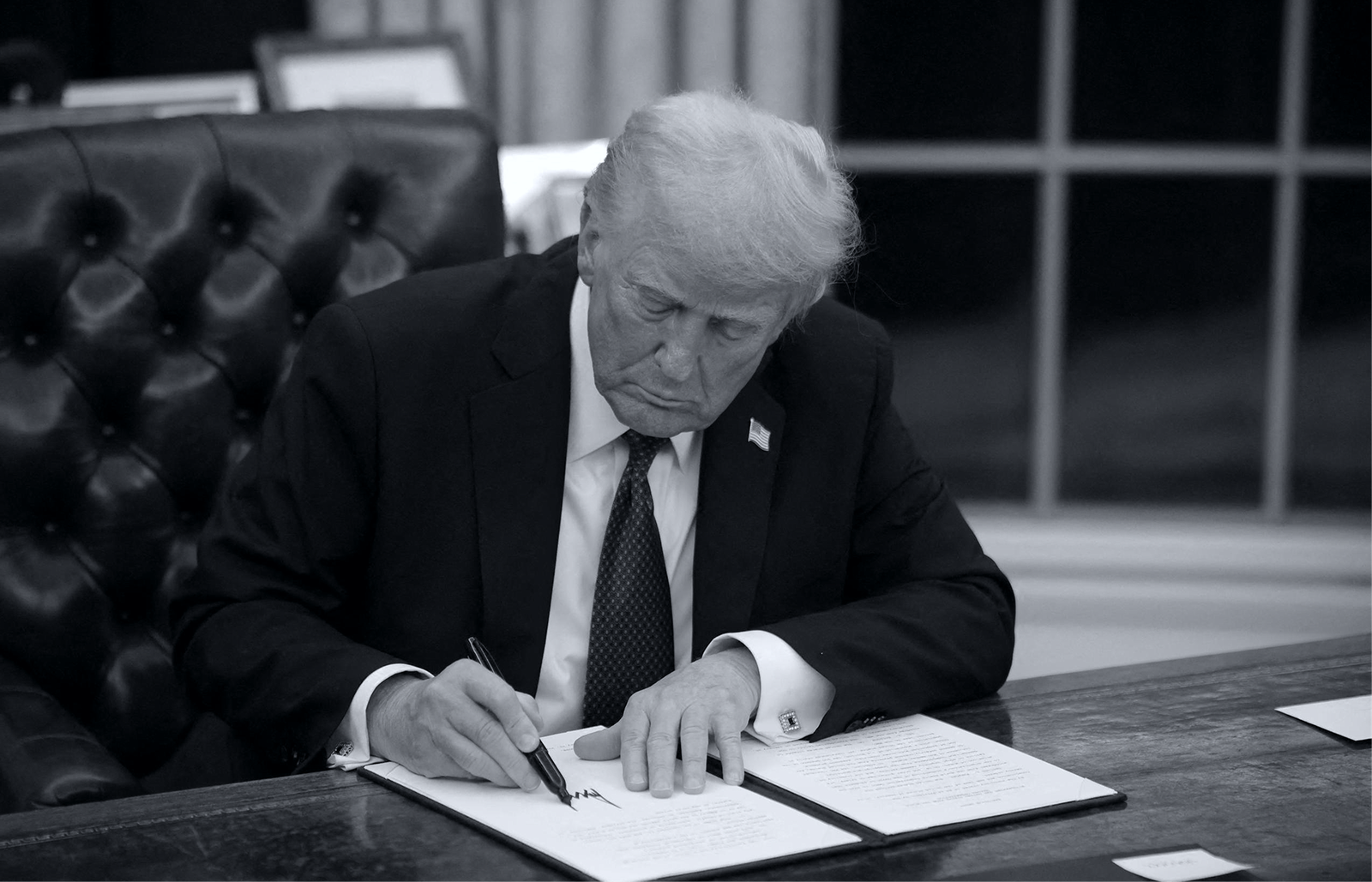
In a significant move aimed at positioning the United States as the undisputed global leader in financial technology, President Donald J. Trump signed an Executive Order on May 19, 2026, titled “Integrating Financial Technology Innovation into Regulatory Frameworks.” This directive instructs federal regulators to overhaul outdated rules, reduce barriers for fintech firms, and foster greater collaboration with traditional financial institutions—all while upholding core principles of safety, soundness, and consumer protection. The order arrives amid rapid evolution in the financial sector, where digital assets, blockchain-based services, payment innovations, and AI-driven tools are reshaping how Americans access banking, investing, lending, and payments. By directing agencies like the Consumer Financial Protection Bureau (CFPB), Securities and Exchange Commission (SEC), Federal Deposit Insurance Corporation (FDIC), Office of the Comptroller of the Currency (OCC), Commodity Futures Trading Commission (CFTC), and National Credit Union Administration (NCUA) to review their regulations, the administration seeks to dismantle legacy frameworks designed for a pre-digital era of brick-and-mortar banking.
Key Provisions of the Order
At its core, the Executive Order establishes a clear policy: streamline processes, eliminate unnecessary barriers, and encourage partnerships between fintech companies and regulated entities. Within 90 days, each federal financial regulator must audit existing regulations, guidance, supervisory practices, and application procedures. The focus is on identifying rules that hinder innovation—particularly for small and emerging fintech firms—while enabling smoother partnerships with banks, credit unions, broker-dealers, and others.
Regulators are then tasked, within 180 days, with implementing changes that promote growth. This includes easing third-party risk management requirements that often burden collaborations, updating rules around digital assets integration into traditional systems, and modernizing charter and licensing processes. The order explicitly recognizes fintech’s broad scope: from payment processing and lending to investment management, custody, and blockchain services.
A standout element involves the Federal Reserve. The order requests a comprehensive review of access to Reserve Bank payment accounts and services for uninsured depository institutions and non-bank fintechs, including those dealing in digital assets. The Fed must evaluate legal authorities, risk management options, potential legislative fixes for barriers, and ensure consistent treatment across the 12 Reserve Banks. If feasible under current law, transparent application procedures should follow, with decisions on complete applications within 90 days. This could open master accounts or limited “skinny” payment-only access, dramatically lowering costs and speeding up transactions for fintech innovators.
Broader Context in Trump’s Agenda
This EO builds on earlier actions. In his first week in office, Trump issued directives for regulatory clarity in digital assets. Subsequent moves included establishing a Strategic Bitcoin Reserve, modernizing government payments to electronic systems, and advancing 6G leadership. The May 19 order pairs with another on restoring integrity to the financial system, signaling a dual focus: innovation paired with safeguards against illicit activity.
The administration argues that current rules—often fragmented and favoring incumbents—stifle competition, raise costs for consumers, and risk ceding ground to foreign innovators. By updating frameworks, the U.S. can drive down financial service expenses, expand access for underserved populations, and boost economic opportunity. Fintech, the fact sheet notes, already delivers efficient, low-cost solutions in payments, brokerage, and more.
Industry Reactions and Potential ImpactIndustry groups have largely welcomed the initiative. The Financial Technology Association (FTA) praised it as a “win for the millions of Americans who rely on fintech products every day,” highlighting benefits for consumers and small businesses left behind by traditional institutions. FTA President and CEO Penny Lee emphasized modernization of the payments system.
The American Fintech Council echoed this sentiment, commending efforts to integrate fintech and digital assets responsibly, ensuring U.S. global leadership.
Crypto markets reacted positively, with Bitcoin surpassing $77,000 in the immediate aftermath, reflecting optimism around easier access to payment rails.
However, not all voices are uniformly enthusiastic. Traditional banking groups, such as the Independent Community Bankers of America (ICBA), stress the need for “like activities” to face “like regulation” and caution against rushed access for stablecoin issuers or crypto entities without holistic assessment. They urge careful risk evaluation to protect local communities and financial stability.
Implications for the FutureIf implemented effectively, this order could accelerate fintech-bank partnerships, often called “banking-as-a-service” (BaaS), enabling faster innovation in embedded finance, real-time payments, and digital asset custody. Smaller fintechs may find it easier to scale without prohibitive compliance costs, while consumers could benefit from cheaper, more inclusive services—from instant cross-border transfers to personalized lending via AI.Challenges remain. Regulators must balance speed with prudence; overly aggressive deregulation could invite risks, as seen in past financial crises. Coordination across agencies will be key, and Congress may eventually need to act on legislative recommendations from the Fed’s review. International competitiveness is also at stake—countries like Singapore and the UAE have moved aggressively on crypto and fintech; the U.S. aims to reclaim the edge.
Critics might view this as another chapter in deregulation, potentially benefiting big tech or crypto players disproportionately. Supporters counter that targeted modernization, not blanket removal of rules, is the goal—prioritizing competition without sacrificing oversight.Conclusion: A Digital Finance Renaissance?President Trump’s Executive Order marks a bold bet on American ingenuity in finance. By directing a top-to-bottom review and pushing the Fed toward inclusive payment access, it signals that innovation, not incumbency, should drive the sector. For TENS readers at the intersection of technology and finance, this is more than policy—it’s a catalyst. As reviews unfold over the coming months, the outcomes could redefine how money moves in the 21st century, lowering barriers for entrepreneurs and everyday users alike.Whether this sparks a true renaissance in U.S. fintech or requires fine-tuning will depend on execution. One thing is clear: the regulatory winds are shifting toward agility and growth in the digital age. The coming 90- and 180-day milestones will reveal how swiftly—and how safely—this vision translates into reality.