The Jeffery Simmons trade gives Chicago a proven defensive lineman and Tennessee a larger say in two future drafts. It also moves the burden of proof. The Bears must make an expensive addition improve the defense around him; the Titans must turn future selections into a roster capable of replacing what they have surrendered.
Chicago announced Simmons’ acquisition Thursday evening. Its official transaction record lists a 2027 first-round pick, a 2027 fourth-round pick and a 2028 first-round pick going to Tennessee. The Bears receive Simmons and Tennessee’s 2028 fifth-round selection. Those details matter: this is a commitment across two draft classes, with a later choice coming back, rather than a simple exchange of a player for two picks.
Tennessee’s earlier Thursday announcement described an agreement pending a physical. Chicago’s later announcement and transaction listing describe the acquisition as completed. That chronology supports reporting a confirmed move without presenting the earlier qualification as a new obstacle or speculating about the examination itself.
TENS analysis: the cost reaches beyond one position
A first-round choice can address a need that has not become apparent yet. Sending away choices in consecutive drafts therefore narrows Chicago’s future options as well as strengthening its present personnel. That does not make the price wrong. It means the decision should be judged against the flexibility surrendered, including needs elsewhere on the roster that may emerge before those drafts arrive.
The fourth-round selection and returning fifth-round selection should remain separate in that accounting. They belong to different years and different rounds. Subtracting one from the other produces a neat pick count but loses the practical difference between opportunities to select players. The exact positions of the future choices are not established by this trade.
Nor does the compensation establish a required sack total. A defender can affect a play by drawing protection, closing an interior rushing lane or preventing a quarterback from stepping forward. Chicago’s football return should be examined through those effects across the front, alongside Simmons’ own production. Paying a large price raises the standard for the acquisition; it does not turn one statistical category into a complete evaluation.
Chicago has to connect the addition to the whole front
The Bears’ announcement credits Simmons with 11 sacks and 17 tackles for loss in 2025, when he earned first-team AP All-Pro recognition. That is evidence of demonstrated disruption. It is not a promise that the same totals will transfer unchanged into a different defense or a partial season with a new team.
Chicago’s transaction history also shows movement around the defensive front before this deal: Shemar Turner was activated October 13, Dayo Odeyingbo went on injured reserve October 17, and Montez Sweat’s suspension was lifted October 23. Those entries establish changes in availability. They do not establish how Chicago will distribute snaps or which combinations will work best.
The useful question is how the assignments fit together. If protection shifts toward Simmons, another rusher may receive a different opportunity. If the offense gets the ball out quickly, the value of an interior rush may depend on coverage and tackling beyond the line. These are mechanisms to examine on subsequent plays, not outcomes that the trade announcement can settle.
That distinction keeps the evaluation honest. A productive individual afternoon could coexist with a poor defensive performance. Equally, a quiet sack column could conceal useful work that helps teammates finish possessions. The Bears should be assessed on whether the addition improves the unit’s ability to end drives, with individual numbers providing evidence within that larger question.
Tennessee gains choices and inherits replacement work
In the Titans’ account of Thursday’s decision, general manager Mike Borgonzi said the proposal came from Bears general manager Ryan Poles and explained the move as a way to build through the draft. Tennessee reported that it was scheduled to hold four first-round selections across the next two drafts. That is the organization’s stated direction, not proof that the rebuild has succeeded.
Additional selections expand the number of decisions a front office can make. They do not remove the need to identify players, develop them and place them in workable roles. Tennessee has exchanged a known contributor for opportunities whose football value remains unsettled. Calling those opportunities a completed replacement would give the scouting and coaching work a passing grade before it happens.
There is also an immediate responsibility. Future picks cannot take Simmons’ defensive snaps this week. Tennessee’s remaining players and coaches must redistribute that work while the front office prepares to use the return. The short-term defensive task and the longer-term roster project should be evaluated separately, even though both began with the same transaction.
For TENS, the fairest assessment follows each side’s actual decision. Chicago has chosen greater certainty about the player at the cost of future choice. Tennessee has chosen more future choice while accepting a present vacancy. The trade’s terms are confirmed; whether either organization converts that choice into better football remains open.
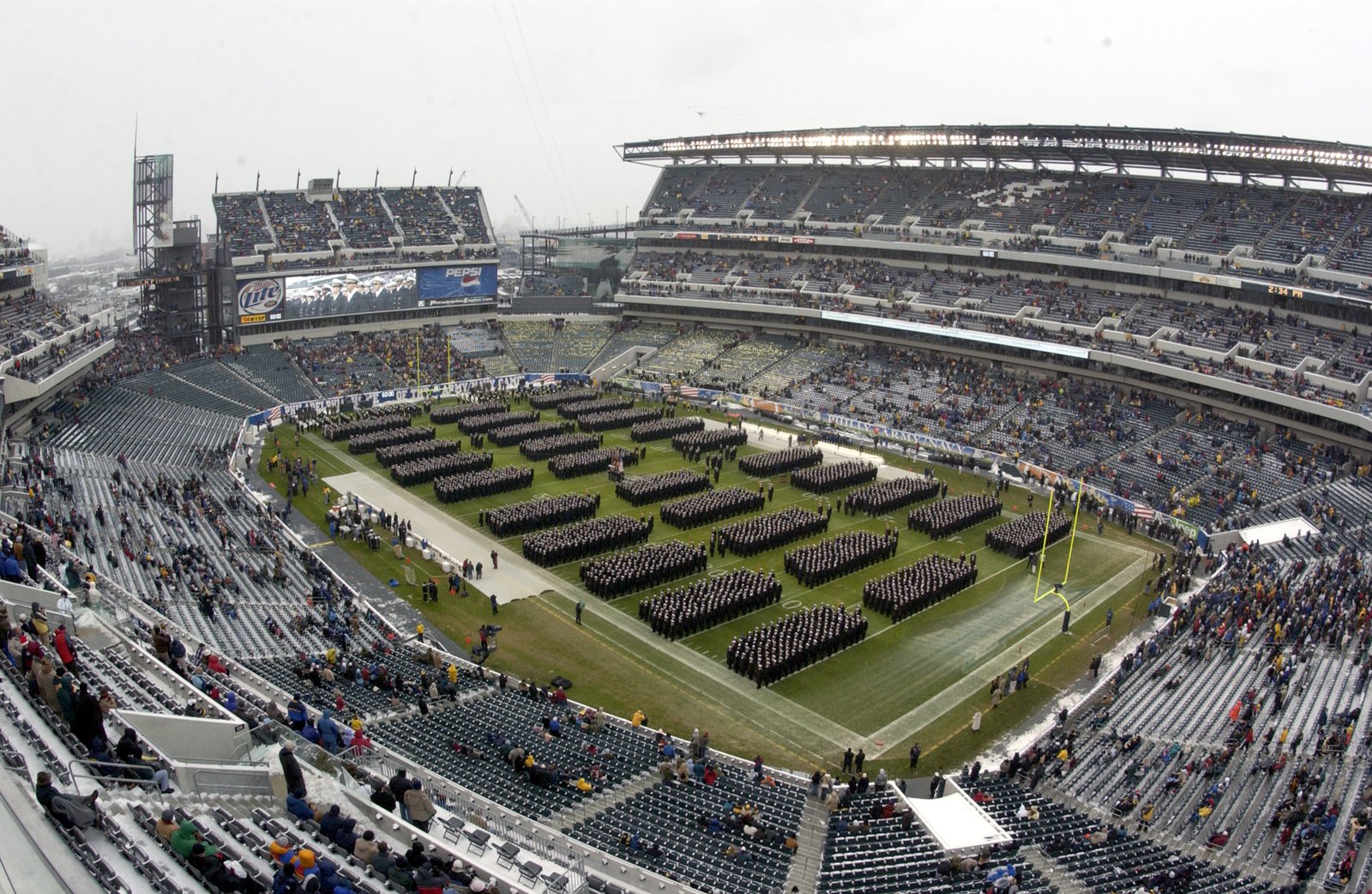
Image: Soldier Field viewed from Northerly Island in December 2022; archival stadium photograph. Photo by Ferncarlos2025 via Wikimedia Commons. License: CC0 1.0 Universal Public Domain Dedication. Modifications: center-cropped from 4,000 × 1,800 to 3,200 × 1,800 pixels and resized to 2,400 × 1,350 pixels.