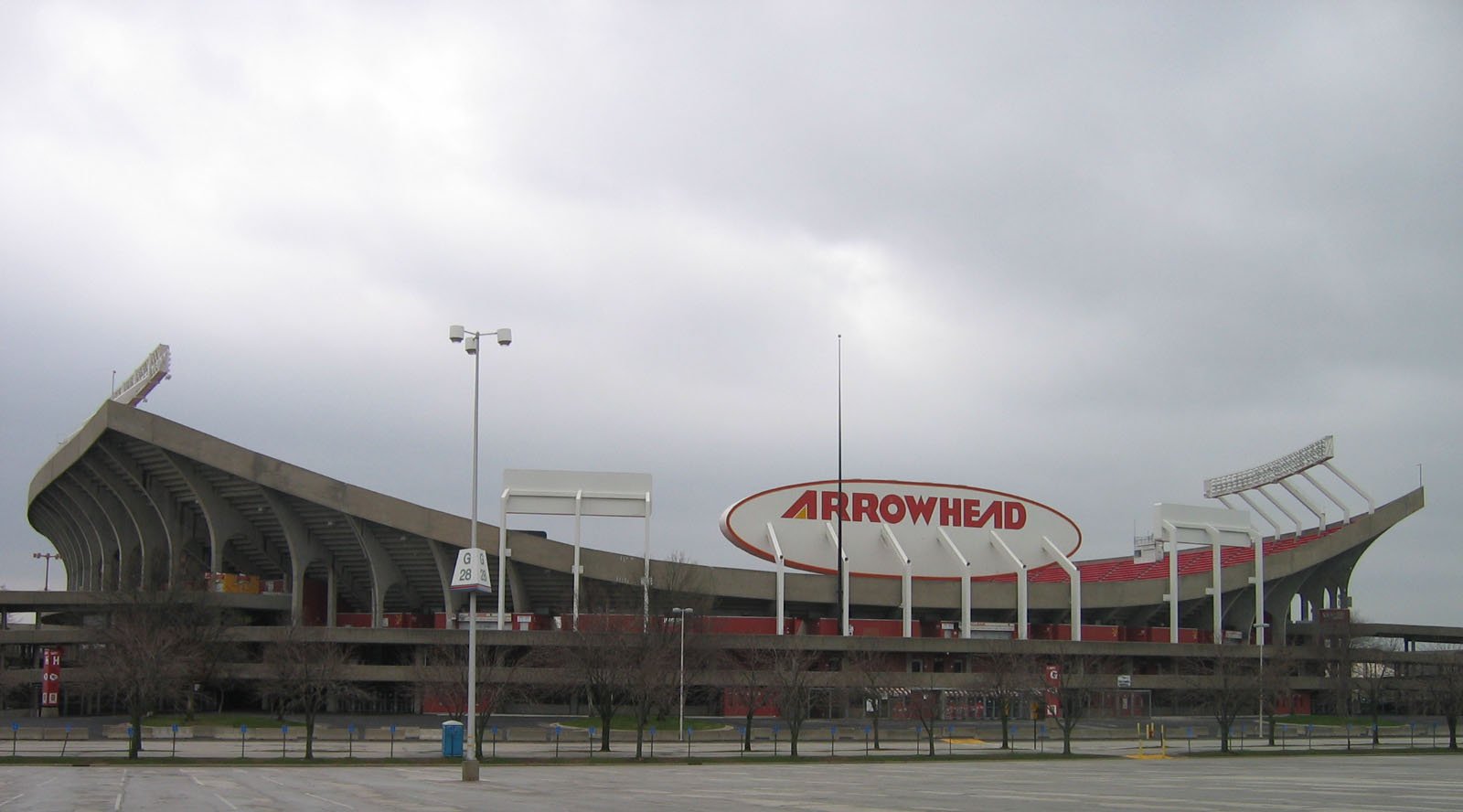
Kansas City needed overtime to turn a substantial yardage advantage into a 33–30 victory over Indianapolis on Sunday night at Arrowhead Stadium. That gap between moving the ball and settling the game is the useful story behind the Chiefs’ 2–0 start: explosive gains repeatedly created scoring opportunities, while defensive stops kept those opportunities from becoming decisive touchdowns.
The official Chiefs game center lists 523 net yards for Kansas City and 329 for Indianapolis. Subtracting those totals produces a 194-yard advantage; the final margin was three points. Neither number cancels the other. Together, they show why evaluating this game requires separating field position, finishing and the order in which each offense received another chance.
The distance beyond the first-down marker
The two teams’ official reports identify a revealing pair of Kansas City conversions. Patrick Mahomes found Tyquan Thornton for 45 yards on third-and-11 during the second half, then for 30 yards on third-and-12 in overtime. Those plays did considerably more than keep possessions alive.
TENS analysis: measuring each gain against the distance required makes their value clearer. The first gained 34 yards beyond the needed 11; the second gained 18 beyond the needed 12. Combined, that is 52 yards beyond the first-down requirement. This is simple play-distance arithmetic, not an expected-points model or an estimate of what another play would have produced.
The distinction matters for defensive evaluation. A conversion concedes another set of downs. A conversion that also shifts the ball far downfield removes much of the work an offense otherwise must do before threatening the goal line. Indianapolis was being asked to defend both problems on the same snap.
Yet the resulting possessions ended differently. The second-half drive produced a fourth-down touchdown pass to Jalen Royals. The opening overtime drive ended with Harrison Butker’s 31-yard field goal. Explosive access to scoring territory and touchdown efficiency therefore deserve separate grades, even when the same quarterback and receiver supply the breakthrough.
Why matching field goals changed the next possession
The Colts’ official account describes a third-and-nine stop from their own 13-yard line before that overtime field goal. Indianapolis then answered with a drive featuring a long completion to Laquon Treadwell, but finished with Spencer Shrader’s 38-yard field goal. Kansas City subsequently won on Butker’s 40-yard attempt.
The teams’ recaps disagree on the precise length of Treadwell’s overtime catch, so that distance is not used in this analysis. Both accounts establish the important sequence: a major pass gain, a stalled scoring opportunity and a tying kick. The uncertainty in one measurement does not require uncertainty about that shared sequence.
TENS analysis: Indianapolis’s first overtime stop bought its offense an opportunity to win; its own field goal then extended the game while returning possession to Kansas City. Those are different achievements. The defensive stand preserved a chance, but the offensive response did not remove the opponent’s next chance. Calling both possessions simply successful scoring drives loses that distinction.
The official scoring log adds another useful comparison. Kansas City’s three second-half and overtime field-goal drives covered 81, 55 and 46 yards. Indianapolis’s tying overtime field-goal drive covered 45. Those figures describe travel, not equal offensive quality: starting position and the situation determine what a drive must accomplish. A long march ending in three points can leave an opening that a shorter touchdown drive would close.
A short-yardage play with a larger consequence
The Chiefs’ winning possession included a 22-yard reception by Kenneth Walker III on third-and-one, according to the Colts’ report. The Chiefs’ account also identifies Walker’s catch as the key advance before the final kick. Here, the distance beyond the requirement was 21 yards, moving the conversation from merely retaining possession to setting up the winning attempt.
TENS analysis: Thornton’s long-yardage catches and Walker’s short-yardage gain demonstrate two versions of the same pressure on a defense. One punishes a situation in which the offense needs substantial distance. The other turns a modest conversion requirement into a much larger concession. A single conversion percentage would count each as one success while obscuring those different consequences.
That does not establish a season-long pattern or diagnose Indianapolis’s coverage calls. These reports do not supply a complete assignment review, and a game result cannot identify which defender was responsible for every opening. Kansas City’s ability to generate decisive gains is confirmed here; the reasons each became available require more detailed evidence.
The practical reading of Sunday is narrower and stronger than a declaration about either team’s future. Indianapolis kept itself competitive by limiting several scoring possessions to field goals. Kansas City overcame that resistance by repeatedly earning more territory than the down required, then securing the final opportunity. The three-point result reflects both halves of that contest.
Image credit: Greenstrat via Wikimedia Commons. Public domain. Unmodified archive photograph of Arrowhead Stadium from 2007; not an image of Sunday’s game.